Human Reviewed
Parent feedback
18 families found this review helpful
Christian Movie Review
Kung Fu Panda 2 Christian Movie Review
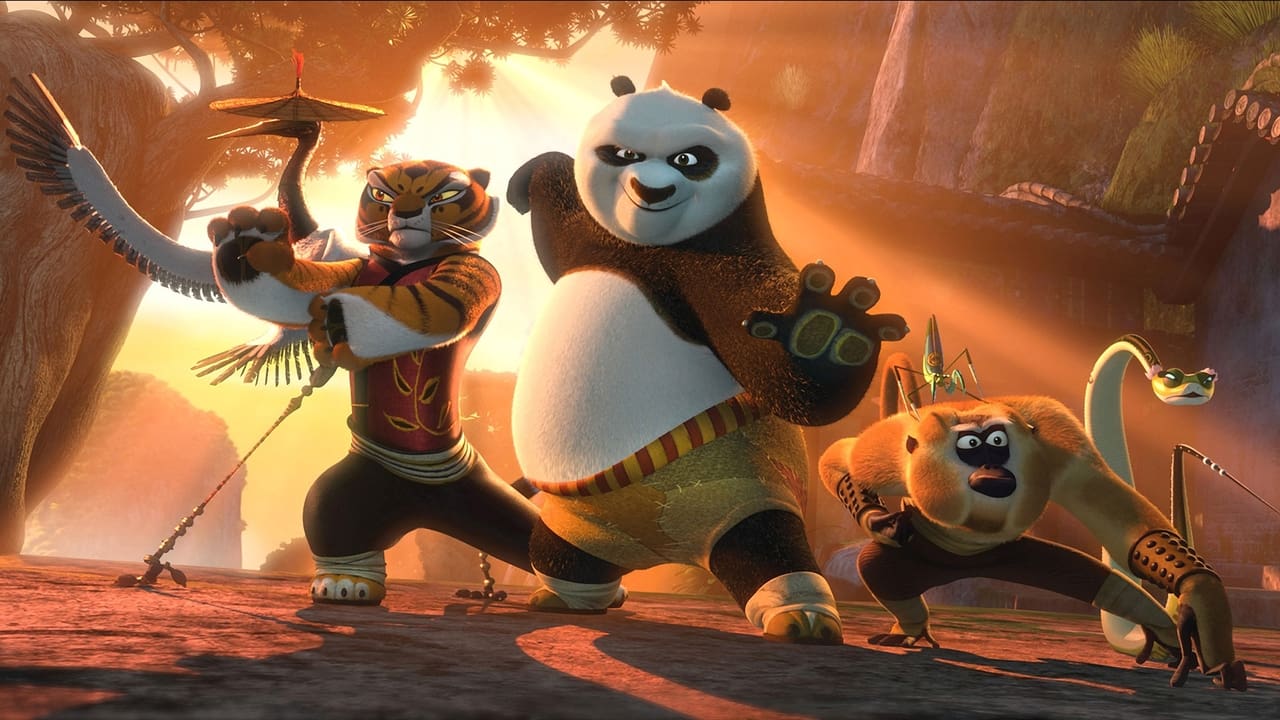
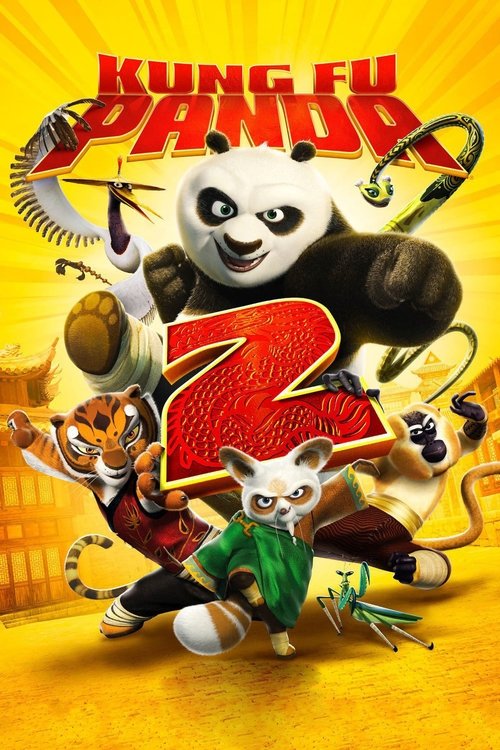
(2011)Po returns in a fast-moving animated sequel that mixes martial-arts action, comedy, and a story about his origins. The film follows him as he faces a dangerous peacock villain, wrestles with questions about his past, and learns what family and inner peace mean.
This is a lively family adventure with mild-to-moderate action, some emotional intensity, and a few rough insults. Christian families may also want to talk through the film’s emphasis on inner peace and self-discovery, especially where it differs from a Christ-centered view of identity and peace.
Use the content rating for the action and the Christian guidance rating for the worldview themes.
Content Indicators

Reviewed 25 May 2026
Esther handles review quality, clarity, and the practical guidance families need after the credits roll.
Kung Fu Panda 2 Christian Movie Review (2011)
Guidance: Talk Together
This is a lively family adventure with mild-to-moderate action, some emotional intensity, and a few rough insults. Christian families may also want to talk through the film’s emphasis on inner peace and self-discovery, especially where it differs from a Christ-centered view of identity and peace.
Why This Guidance Level
Kung Fu Panda 2 is a bright, funny family sequel, but it is not just light action. The combat, villain threats, and emotionally heavy adoption backstory give it enough intensity to notice, even though the violence stays stylized and PG-level. The bigger discernment issue is the film’s spiritual framing: it treats inner peace and self-discovery as the route to strength, which can be a useful conversation starter but also needs Christian grounding so children do not absorb a vague, self-focused view of peace and identity.
Faith & Worldview Perspective
The film affirms real goods: family love, courage, loyalty, and the truth that being a parent is shaped by care and sacrifice. It also centers identity questions and inner peace in a way that can be discussed alongside the Christian truth that our deepest identity and peace are found in God and in Jesus Christ, not in self-generated calm.
Truths Reflected
- Family love is shown through care, sacrifice, and faithful nurture.
- Teamwork, courage, and perseverance are presented as virtues.
Tensions to Discuss
- Inner peace is treated as a path to strength in a way that can crowd out dependence on God and the peace found in Christ.
- Identity is framed mainly through personal discovery and origin questions, which can drift from a biblical view of being known and made by God.
Content & Discernment Markers
Occult & Spiritual Content
- The film leans on a mystical “inner peace” framework, with Master Shifu teaching that “Every master must find his path to inner peace” and that “Anything is possible when you have inner peace.” It is not occult in a dark or ritual sense, but the spiritual language is broad and non-Christian, so parents may want to discuss how peace is different when it comes from Jesus Christ rather than self-mastery.
Sexuality & Relationships
- Romantic or sexual material does not stand out here. The main relationship focus is Po’s bond with his adoptive father and the larger theme that family is built through love and care.
Identity Themes
- Po’s adoption story drives the emotional core of the film. He asks, “Who am I?” and “Where did I come from?” before learning, “You might have been kind of…Adopted,” and his father explains that he found him, fed him, bathed him, and raised him “as my own son.” Parents may want to discuss identity as something God knows and gives, not just something we discover on our own.
Violence & Intensity
- The movie is built around fast martial-arts battles, team fight calls like “Tiger, double death strike,” and a villain who threatens to tear enemies apart with gunpowder weapons and cannons. The action stays animated and stylized, but the opening backstory, the revenge plot, and the baby Po separation add emotional weight. Parents may want to prepare children for the intense scenes and the sad origin story.
Language & Humour
- Language is mostly playful, but there are rough insults and put-downs such as “monster,” “freak,” and “insane fool,” along with some taunting villain speech. The tone is comic rather than coarse, yet parents who are sensitive to rude banter may want to note it.
Other Content Notes
- The story includes a destructive weapon made from gunpowder and metal, a revenge-driven villain, and a backstory involving a baby panda separated from his parent. Those elements give the film emotional and action-driven intensity beyond a simple comedy.
Notable Moments
- Adoption reveal: Po finally learns he was adopted, and his father lovingly explains how he found him as a baby and raised him as his own son. It is one of the film’s most important emotional scenes and a good opening for talking about family, belonging, and God’s care.
“You might have been kind of…Adopted.”
- Inner peace teaching: Shifu tells Po that mastery comes through inner peace, presenting calm self-mastery as the key to strength. Christian families may want to contrast that with the peace Christ gives and the way Scripture frames growth and strength.
“Every master must find his path to inner peace.”
- Villain’s revenge: Lord Shen’s backstory and threats give the film its darker edge, especially his vow to return and dominate China. The scene matters because it frames evil as revenge-driven pride rather than repentance.
“Some day, he will return and all of China will bow at his feet.”
Discussion Prompts
- Identity and belonging: What does Po learn about who he is, and how is that different from the way the Bible says God knows and forms us?
- Biblical guidance: Scripture teaches that our identity is rooted in being made and known by God, not just in our background or achievements.
- Scripture: Psalm 139:13-14, Ephesians 1:4-5
- Peace and strength: The movie says inner peace makes a person strong. Where does true peace come from for a Christian?
- Biblical guidance: The peace Jesus gives is deeper than calm feelings or self-control; it rests in trusting Him.
- Scripture: John 14:27, Philippians 4:6-7
- Family love: Why is Po’s adoptive father’s love such a powerful part of the story, and what does that show about sacrificial care?
- Biblical guidance: The Bible honors faithful, sacrificial love in families and calls parents to nurture children with patience and care.
- Scripture: 1 Corinthians 13:4-7, Ephesians 6:4
Common questions about Kung Fu Panda 2
- What age is Kung Fu Panda 2 suitable for?
- Kung Fu Panda 2 suits children of about 8 and older in most families. That follows its official classification. It is rated PG in Australia, the US, New Zealand, the UK and Canada. The movie is built around fast martial-arts battles, team fight calls like "Tiger, double death strike," and a villain who threatens to tear enemies apart with gunpowder weapons and cannons.
- Is Kung Fu Panda 2 okay for a 6-year-old?
- Kung Fu Panda 2 is generally better suited to children of about 8 and up, so a 6-year-old may find parts of it a stretch. It is rated PG in Australia, the US, New Zealand, the UK and Canada. The movie is built around fast martial-arts battles, team fight calls like "Tiger, double death strike," and a villain who threatens to tear enemies apart with gunpowder weapons and cannons. Families comfortable watching a little above the classification together may still be fine with it.
Age guidance is derived from this review's content findings and the film's official classifications. It is a starting point for your own judgement, not a rule.
Parent comments
Leave a comment on this review
Share a short note on Kung Fu Panda 2, or help other parents with discernment.
Submit will ask you to sign in first.
Weekend family picks
Get the short family movie list before the weekend
Example newsletter: 3 movies to watch this weekend with your family, plus one question to ask after the credits.
Sample: 3 movies to watch this weekend with your family
One cinema pick, one streaming pick, one conversation-starter pick.
Related Articles
A few bigger-picture reads for parents who want more context than a single review page can hold.

How To Talk With Kids About Magic, Fate, And Spiritual Themes In Movies
Many family movies use magic, destiny, spirits, or cosmic balance to drive the story. This article helps Christian parents respond without overreacting, while still drawing clear lines back to biblical truth.
Read article
How To Talk With Kids About Dragon magic In Family Movies
A parent-friendly guide to discussing dragon magic in family movies through a Christian lens.
Read article
How To Talk With Kids About Mild fantasy peril In Family Movies
A parent-friendly guide to discussing mild fantasy peril in family movies through a Christian lens.
Read articleMore Reviews



Official regional ratings
Local ratings remain available for reference, but LionLens separates those classifications from Christian family discernment.
Review Method
How this review was prepared
LionLens reviews are written with subtitle and dialogue evidence where available, official regional ratings data, source research, and final human editorial review before publication.