Human Reviewed
Parent feedback
41 families found this review helpful
Christian Movie Review
Kubo and the Two Strings Christian Movie Review
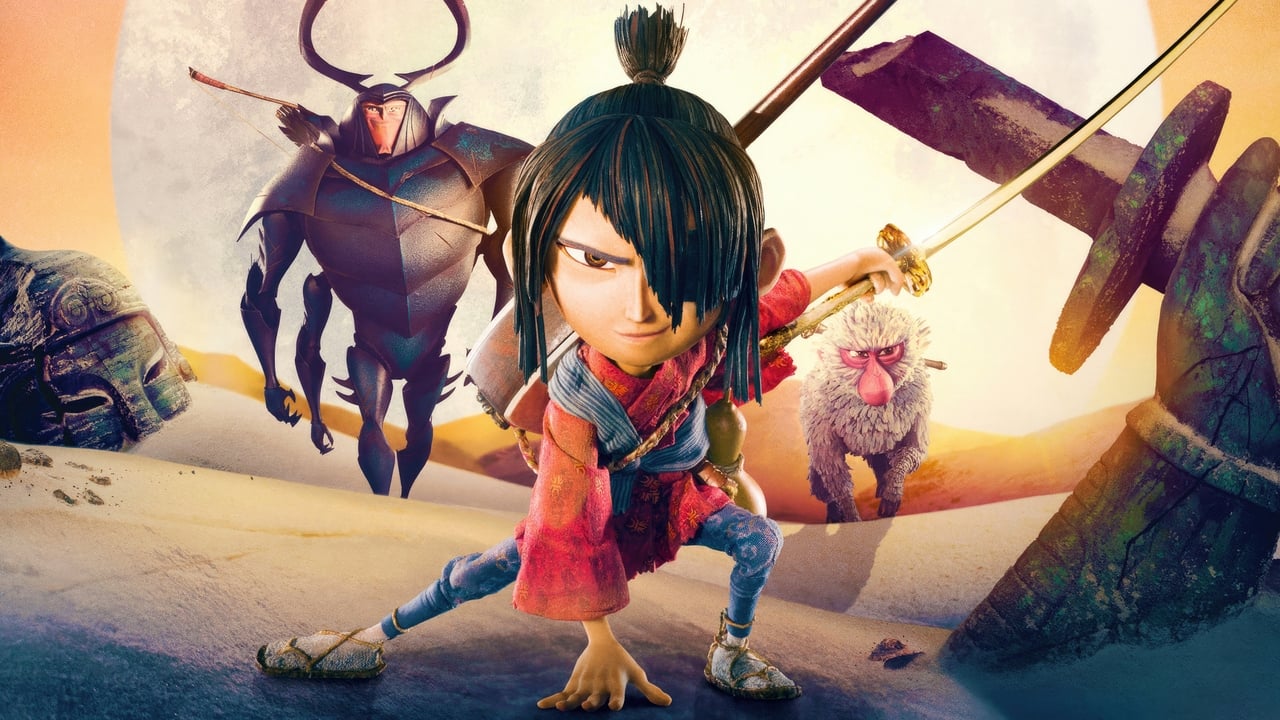
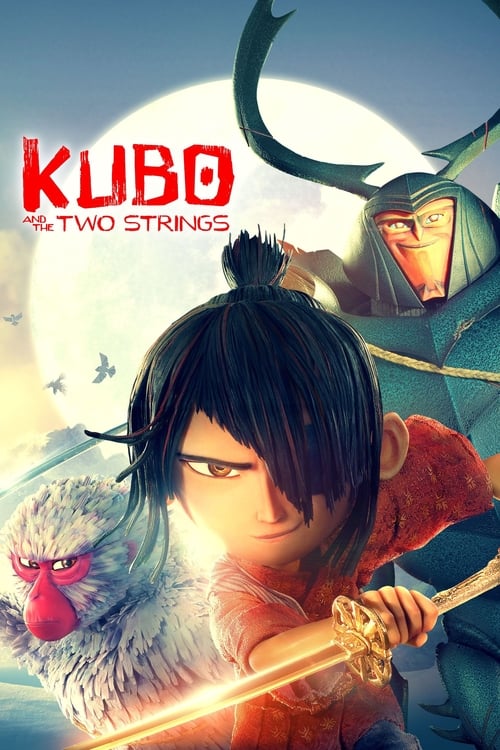
(2016)Kubo mesmerizes the people in his village with his magical gift for spinning wild tales with origami. When he accidentally summons an evil spirit seeking vengeance, Kubo is forced to go on a quest to solve the mystery of his fallen samurai father and his mystical weaponry, as well as discover his own magical powers.
This beautifully made fantasy centers on grief, courage, family loyalty, and the power of stories, but it also includes dark peril, death, and spiritual ideas rooted in magic and ancestor communication. For many Christian families, the main questions are less about crude content and more about how the film handles loss, the afterlife, and supernatural power.
Start with the content rating, then use the Christian guidance rating to decide how much conversation your family may need.
Content Indicators

Reviewed 16 March 2026
Rachel focuses on animated films, family viewing habits, and helping parents spot worldview themes quickly.
Kubo and the Two Strings Christian Movie Review (2016)
Guidance: Talk Together
This beautifully made fantasy centers on grief, courage, family loyalty, and the power of stories, but it also includes dark peril, death, and spiritual ideas rooted in magic and ancestor communication. For many Christian families, the main questions are less about crude content and more about how the film handles loss, the afterlife, and supernatural power.
Why This Guidance Level
Kubo and the Two Strings is a family fantasy, but it is not especially light. The story includes repeated danger, references to a stolen eye, death in the family, and frightening supernatural enemies. It also presents magic, mystical armor, and festival practices that involve speaking to departed loved ones. Those elements make this a thoughtful film for conversation rather than a carefree pick for every child.
Faith & Worldview Perspective
The film strongly values love, sacrifice, courage, and remembering those who have died. It treats stories and memory as powerful ways to preserve a person’s legacy, which can open meaningful family conversations about grief and honor. At the same time, it blends magic, ancestor-focused ritual, and spiritual ideas outside a Christian framework. Christian families may want to contrast the film’s view of the dead and the spiritual world with the hope believers have in Jesus Christ, who defeats death and calls us to seek God rather than contact the departed. Parents may want to discuss the difference between remembering loved ones and trying to speak with them.
Truths Reflected
- Sacrificial love leaves a lasting mark on a family.
- Courage and perseverance matter when facing fear and loss.
Tensions to Discuss
- The film presents communication with departed loved ones as comforting spiritual practice, which may conflict with a biblical view and is worth discussing with children.
- Supernatural power is tied to magic and mystical forces rather than to the living God, so parents may want to contrast that with Christian hope in Christ.
Content & Discernment Markers
Occult & Spiritual Content
- Magic is central to the story world. Kubo’s gift is tied to paper-folding and supernatural power, and the plot revolves around mystical armor and the threat of the Moon King. This is fantasy material rather than horror, but it is spiritually charged throughout. Parents may want to discuss where real spiritual power comes from.
- A festival scene includes lamps, altars, prayer, and speaking to departed loved ones. One character explains, “We use those to speak to the loved ones that left us behind,” and Kubo addresses his dead father directly. This may conflict with a biblical view because Scripture points believers to God, not to communication with the dead.
Sexuality & Relationships
- Romantic content is very light. The story mentions Kubo’s parents and his mother’s memory of his father, but there is little here that is likely to concern most families.
Identity Themes
- The story emphasizes family identity, legacy, and being shaped by the stories we inherit. That can be fruitful, though the film leans toward the idea that memory and storytelling keep a person present in a way families may want to examine carefully.
Violence & Intensity
- The opening narration warns that the hero may “surely perish,” setting a serious tone. The story repeatedly speaks of enemies, monsters, and a powerful villain, with danger woven into the adventure.
- A major family wound is described in direct terms: Kubo’s grandfather stole one of his eyes, and his father “died protecting us.” Even when not shown graphically in dialogue, these details give the film emotional and physical weight.
- The story world includes attacks, beasts, and intense peril tied to the Moon King and the search for magical armor. Younger or sensitive children may feel the threat level more strongly than the PG label suggests.
Language & Humour
- Language is mild overall. The sharper moments are insults and put-downs such as “stupid,” “idiot,” “an embarrassment,” and “weak,” along with a comic substitute phrase like “ohhh foot!”
Other Content Notes
- Grief is a major emotional thread. Kubo speaks tenderly to his dead father, worries about his mother’s fading grip on reality, and lives under the shadow of family loss. This gives the film unusual emotional depth for children. Parents may want to talk about grief, memory, and the comfort God gives the hurting.
- A villager is said to smoke a pipe briefly. It is not a major element.
Notable Moments
- Opening peril tone: The film opens by warning the audience that the hero could perish if the story is not followed closely, immediately setting a darker fantasy tone.
“if you forget any part of what I tell you, even for an instant, then our hero will surely perish.”
- Family loss explained: Kubo’s mother tells him that his father died protecting him and that hostile family members stole his eye.
“He died protecting us.”
- Ancestor festival scene: At the festival, Kubo is told that lamps and altars are used to speak to loved ones who have died, and he addresses his father directly.
“We use those to speak to the loved ones that left us behind.”
Discussion Prompts
- Grief, memory, and hope: What does the film say helps people when someone they love has died? How is that similar to or different from the comfort Christians have?
- Biblical guidance: Scripture honors remembrance, but Christian hope rests finally in the resurrection and in Jesus Christ, not only in memory.
- Scripture: 1 Thessalonians 4:13-14, John 11:25-26
- Talking to the dead: Why do you think the festival scene feels comforting? What does God say about where we should turn for help and guidance?
- Biblical guidance: The Bible teaches God’s people to seek the Lord rather than attempt contact with the dead.
- Scripture: Deuteronomy 18:10-12, Isaiah 8:19
- Stories and identity: The film says stories shape who we are. What story does God say is most true about us?
- Biblical guidance: Human stories matter, but our deepest identity is found in being made by God and, for believers, redeemed in Christ.
- Scripture: Genesis 1:27, 2 Corinthians 5:17
- Courage and sacrificial love: Where do you see courage and self-sacrifice in the film? How does that point us toward the greater love of Jesus?
- Biblical guidance: The film reflects the beauty of laying oneself down for others, which Christians see most clearly in Christ.
- Scripture: John 15:13, Romans 5:8
Common questions about Kubo and the Two Strings
- What age is Kubo and the Two Strings suitable for?
- Kubo and the Two Strings suits children of about 9 and older in most families. The main reason is violence and peril. The opening narration warns that the hero may "surely perish," setting a serious tone. Younger viewers may still enjoy it alongside a parent, and it raises worldview questions worth talking through afterwards.
- Is Kubo and the Two Strings okay for a 7-year-old?
- Kubo and the Two Strings is generally better suited to children of about 9 and up, so a 7-year-old may find parts of it a stretch. The opening narration warns that the hero may "surely perish," setting a serious tone. Families whose children handle violence and peril well may still be comfortable watching together.
Age guidance is derived from this review's content findings and the film's official classifications. It is a starting point for your own judgement, not a rule.
Parent comments
Leave a comment on this review
Share a short note on Kubo and the Two Strings, or help other parents with discernment.
Submit will ask you to sign in first.
Weekend family picks
Get the short family movie list before the weekend
Example newsletter: 3 movies to watch this weekend with your family, plus one question to ask after the credits.
Sample: 3 movies to watch this weekend with your family
One cinema pick, one streaming pick, one conversation-starter pick.
Related Articles
A few bigger-picture reads for parents who want more context than a single review page can hold.

How To Talk With Kids About Magic, Fate, And Spiritual Themes In Movies
Many family movies use magic, destiny, spirits, or cosmic balance to drive the story. This article helps Christian parents respond without overreacting, while still drawing clear lines back to biblical truth.
Read article
How To Talk With Kids About Dragon magic In Family Movies
A parent-friendly guide to discussing dragon magic in family movies through a Christian lens.
Read article
How To Talk With Kids About Mild fantasy peril In Family Movies
A parent-friendly guide to discussing mild fantasy peril in family movies through a Christian lens.
Read articleMore Reviews



Official regional ratings
Local ratings remain available for reference, but LionLens separates those classifications from Christian family discernment.
Review Method
How this review was prepared
LionLens reviews are written with subtitle and dialogue evidence where available, official regional ratings data, source research, and final human editorial review before publication.