
Human Reviewed
Parent feedback
19 families found this review helpful
Christian Movie Review
Kayara Christian Movie Review
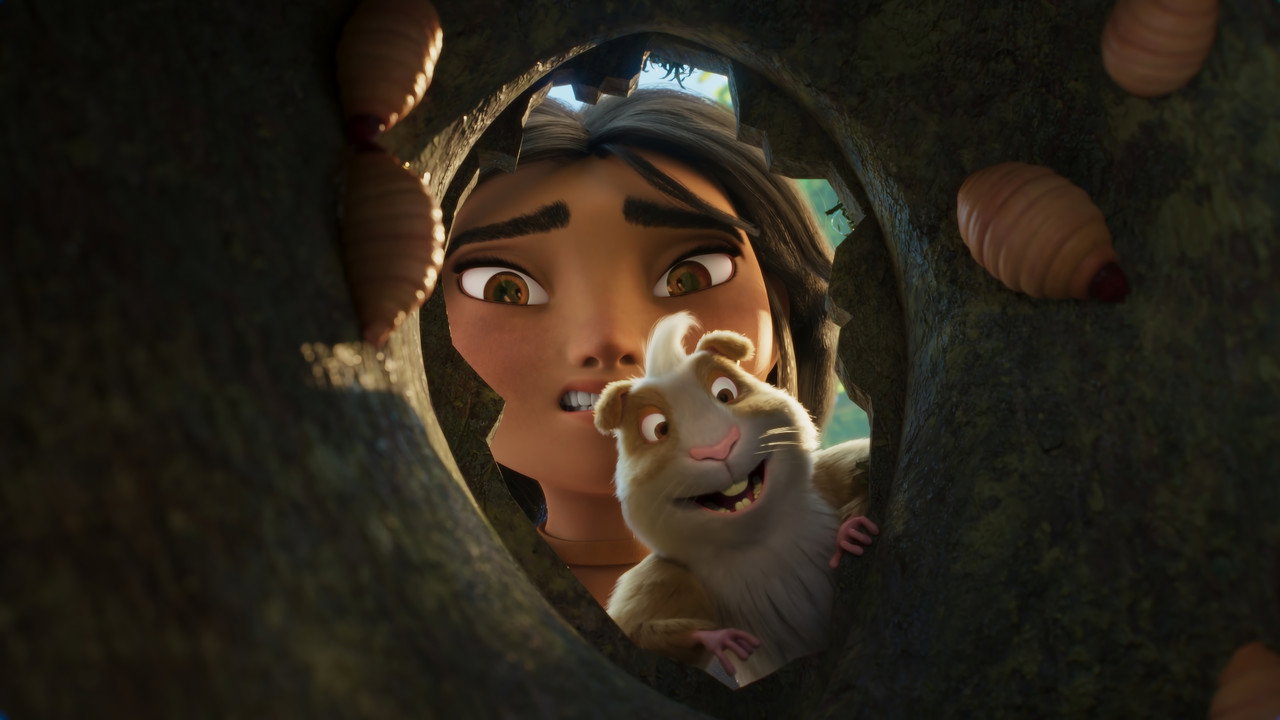
(2025)Kayara is an animated adventure set in the Inca world, following a fast, determined girl who longs to become a chasqui, a royal messenger, even though the role is reserved for boys. The story blends coming-of-age courage, friendship across social status, and tension between tradition and change.
This is a family adventure with mild peril and a strong perseverance theme, but it also includes pagan spiritual references and a repeated message that breaking tradition is the path to justice. Christian families may want to talk through both the spiritual background and the film’s view of authority and change.
Use the content rating for surface issues and the Christian guidance rating for the film’s deeper messages.
Content Indicators

Reviewed 9 September 2026
Rachel focuses on animated films, family viewing habits, and helping parents spot worldview themes quickly.
Kayara Christian Movie Review (2025)
Guidance: Talk Together
This is a family adventure with mild peril and a strong perseverance theme, but it also includes pagan spiritual references and a repeated message that breaking tradition is the path to justice. Christian families may want to talk through both the spiritual background and the film’s view of authority and change.
Why This Guidance Level
Kayara stays mild on surface content, but its spiritual backdrop and its message about challenging inherited roles give it more weight for Christian families than a typical light cartoon. The film offers good openings to discuss courage and fairness, while also helping children distinguish cultural spirituality from hope and truth in Jesus Christ.
Faith & Worldview Perspective
The film celebrates courage, loyalty, and persistence, and it treats a girl’s desire to use her gifts seriously rather than as a joke. At the same time, it places those strengths inside a worldview shaped by signs in the stars, multiple gods, shamanic language, and sacrifice to a sun god. Parents may want to discuss the difference between appreciating a culture’s setting and accepting its spiritual claims, and to contrast rule-breaking for self-assertion with wise, godly courage that seeks truth and justice under Christ.
Truths Reflected
- A child’s gifts and worth are not determined by social prejudice.
- Friendship, perseverance, and sacrificial help for others are treated as meaningful goods.
Tensions to Discuss
- The story normalizes pagan spiritual language and practices rather than pointing to the one true God.
- It leans toward the idea that breaking rules is the answer to injustice, which may need discussion about honoring authority while pursuing what is right.
Content & Discernment Markers
Occult & Spiritual Content
- The Inca setting includes direct spiritual language such as ‘Perhaps the gods are testing your patience,’ along with star signs and sacred animals in the sky. This matters because the film presents non-biblical spiritual ideas as part of the world’s wisdom, so parents may want to contrast that with God as Creator rather than creation as a source of guidance.
- A shaman brings a ceremonial gift and one character says, ‘My father sacrificed to the sun god, so that’s all right.’ The moment is brief, but it plainly places sacrifice and spiritual authority outside the worship of the true God.
Sexuality & Relationships
- There is no notable sexual material. Relationships are centered on family bonds, friendship, and a child’s desire to honor her father’s legacy.
Identity Themes
- A central conflict is that Kayara is told, ‘Girls don’t become chasqui. That is forbidden. Only men become chasqui.’ The film strongly frames this restriction as unfair and celebrates her determination to challenge it. Parents may want to discuss the difference between rejecting sinful prejudice and rejecting all limits or authority.
Violence & Intensity
- Animated peril includes a chase with a wild llama, with lines like ‘Now he’s coming towards us. Run. Faster.’ The scene is adventurous rather than graphic, but younger children may still find it tense.
- Race and training scenes include physical hazards, including warnings about holes in the ground and a leg injury where a character cries, ‘Help me. Help me. Help me.’ The emphasis is on danger and rescue, not gore.
- The death of the emperor is announced in dialogue, creating a moment of grief and leadership transition without dwelling on the death itself.
Language & Humour
- Language is mild. The film uses teasing and dismissive remarks such as ‘crazy llama,’ ‘simple name,’ and playful insults about eating, but there is no notable profanity in the dialogue provided.
Other Content Notes
- The story repeatedly praises breaking rules in order to pursue a goal, including ‘Sometimes you have to break the rules.’ In context, this is tied to unfair treatment of girls, but Christian families may want to discuss when resisting wrong is wise and when rebellion becomes its own virtue.
- Kayara’s grief over her mother and her father’s tenderness add emotional depth without becoming heavy. These moments can open good family conversation about loss, love, and identity.
Notable Moments
- Girls barred from role: Kayara is directly told that becoming a chasqui is forbidden to girls, setting up the film’s main conflict about fairness and tradition.
“Girls don’t become chasqui. That is forbidden. Only men become chasqui.”
- Rule-breaking theme: The film states its challenge-to-tradition theme openly through dialogue encouraging the prince to break established rules.
“Sometimes you have to break the rules, mighty young Inca.”
- Pagan spiritual frame: The story uses non-biblical spiritual language early in the film, tying destiny and hardship to the gods.
“Perhaps the gods are testing your patience.”
- Sun god sacrifice reference: A character casually justifies his ambitions by referring to sacrifice to the sun god, making the spiritual setting explicit.
“My father sacrificed to the sun god, so that’s all right.”
Discussion Prompts
- Gifts, worth, and fairness: Kayara is told she cannot do something because she is a girl. How does God say we should view the worth and gifts of other people?
- Biblical guidance: Scripture teaches equal dignity before God, while also calling us to use our gifts faithfully and humbly.
- Scripture: Genesis 1:27, Galatians 3:28, 1 Peter 4:10
- Authority and courage: When is it right to challenge a rule, and how can we do that without becoming rebellious in heart?
- Biblical guidance: Christians are called to honor authority, but also to obey God above man when authority is unjust or sinful.
- Scripture: Romans 13:1, Acts 5:29, Micah 6:8
- Spiritual truth: The movie talks about gods, stars, and sacrifice. How is that different from trusting the one true God revealed in Jesus Christ?
- Biblical guidance: Creation can show God’s power, but it is not meant to guide us spiritually or replace worship of the Lord.
- Scripture: Exodus 20:3, Isaiah 44:6, John 14:6, Romans 1:25
- Hope in grief and responsibility: How do the characters respond to loss and new responsibility, and what hope does a Christian have when life changes suddenly?
- Biblical guidance: The film shows grief and duty, but Christian hope rests finally in God’s presence and in the comfort we have through Christ.
- Scripture: Psalm 34:18, Matthew 11:28-30, 1 Thessalonians 4:13-14
Common questions about Kayara
- What age is Kayara suitable for?
- Kayara suits children of about 8 and older in most families. That follows its official classification. It is rated PG in Australia and New Zealand. Animated peril includes a chase with a wild llama, with lines like 'Now he's coming towards us. Younger viewers may still enjoy it alongside a parent, and it raises worldview questions worth talking through afterwards.
- Is Kayara okay for a 6-year-old?
- Kayara is generally better suited to children of about 8 and up, so a 6-year-old may find parts of it a stretch. It is rated PG in Australia and New Zealand. Animated peril includes a chase with a wild llama, with lines like 'Now he's coming towards us. Families comfortable watching a little above the classification together may still be fine with it.
Age guidance is derived from this review's content findings and the film's official classifications. It is a starting point for your own judgement, not a rule.
Parent comments
Leave a comment on this review
Share a short note on Kayara, or help other parents with discernment.
Submit will ask you to sign in first.
Weekend family picks
Get the short family movie list before the weekend
Example newsletter: 3 movies to watch this weekend with your family, plus one question to ask after the credits.
Sample: 3 movies to watch this weekend with your family
One cinema pick, one streaming pick, one conversation-starter pick.
Related Articles
A few bigger-picture reads for parents who want more context than a single review page can hold.
Animal Farm And Talking With Kids About Power, Truth, And Sin
Animal Farm can help older children see how slogans, fear, and corrupted authority distort truth, but parents should frame the story with a biblical view of sin.
Read article
Disney And Pixar Films For Christian Families: Why They Still Need Discernment
Disney and Pixar films often feel safer than they really are. This guide helps Christian parents notice the spiritual assumptions, emotional messages, and identity themes that can slip past a quick first impression.
Read article
5 Things To Notice In Kids Movies Before The Message Lands
A child can absorb a movie long before they can explain it. These five checkpoints help Christian parents notice what a film is training the heart to love, fear, excuse, or trust.
Read articleMore Reviews



Official regional ratings
Local ratings remain available for reference, but LionLens separates those classifications from Christian family discernment.
Review Method
How this review was prepared
LionLens reviews are written with subtitle and dialogue evidence where available, official regional ratings data, source research, and final human editorial review before publication.