Human Reviewed
Parent feedback
21 families found this review helpful
Christian Movie Review
Jumanji Christian Movie Review
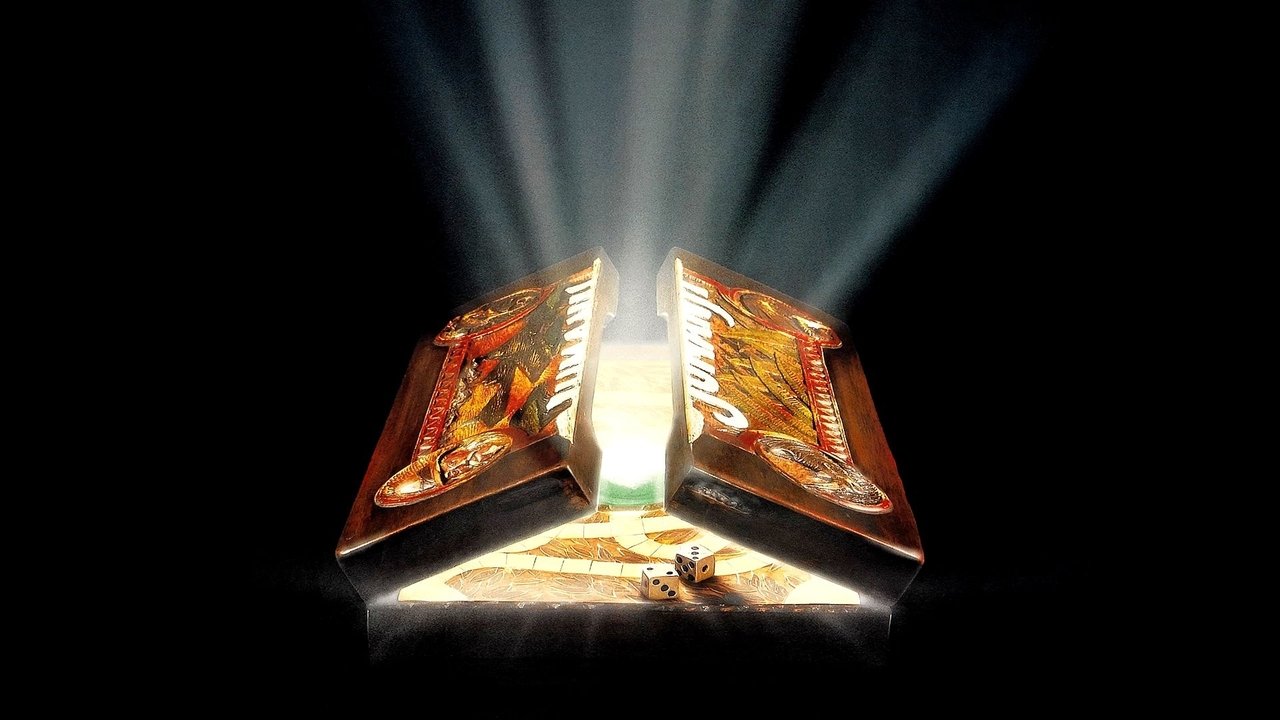
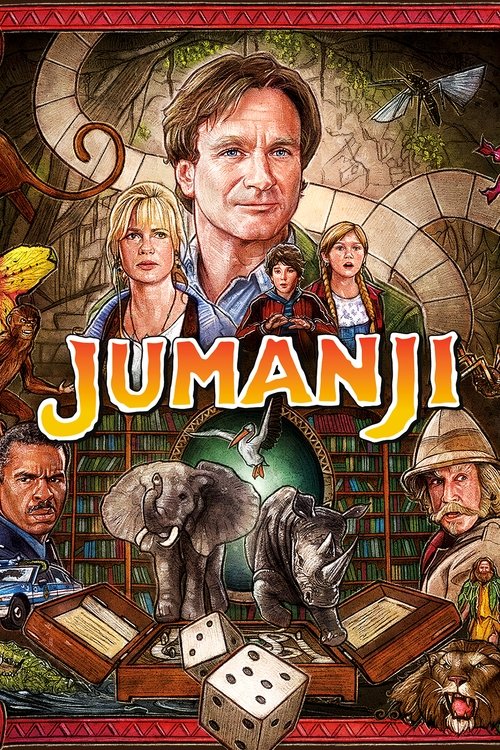
(1995)A magical board game unleashes wild animals, hazards, and chaos into a suburban town, forcing two children and a man trapped inside the game to finish what was started years earlier. The story mixes adventure, comedy, and suspense with a strong family-reconciliation thread.
This is a lively adventure with repeated peril, scary creature attacks, and some mild language. Christian families may also want to talk about the film’s supernatural framework, strained family relationships, and the way fear and responsibility are handled.
Use the content rating to gauge the thrills, and the Christian guidance rating to think through the film’s worldview and family themes.
Content Indicators

Reviewed 17 May 2026
Micah covers action, fantasy, and franchise releases, with close attention to violence, spiritual themes, and moral framing.
Jumanji Christian Movie Review (1995)
Guidance: Talk Together
This is a lively adventure with repeated peril, scary creature attacks, and some mild language. Christian families may also want to talk about the film’s supernatural framework, strained family relationships, and the way fear and responsibility are handled.
Why This Guidance Level
Jumanji is a mainstream family adventure, but its tension is not light. The film repeatedly puts children and adults in danger through animal attacks, chases, and frightening supernatural chaos, and it also carries a meaningful worldview layer because the story is driven by an enchanted game rather than any Christian framework. The family conflict is sharp enough to matter, though the film ultimately moves toward reconciliation, so the main question for parents is less about explicit objectionable material and more about whether the scares and the supernatural setup fit their child’s maturity.
Faith & Worldview Perspective
The film treats courage, perseverance, and reconciliation as important, but it places those themes inside a magical system that operates on its own rules. That gives the story energy, yet it also means the deepest hope in the film is not found in Christ but in surviving the game and restoring order.
Truths Reflected
- Fear can be faced with courage and perseverance.
- Broken relationships need honesty and reconciliation.
Tensions to Discuss
- The story normalizes a supernatural force that functions apart from biblical truth, so Christian families may want to discuss how Christ differs from fantasy power.
- Harsh parental pressure and emotional distance are treated as part of the family backdrop, which can open a conversation about loving authority and grace.
Content & Discernment Markers
Occult & Spiritual Content
- An enchanted board game drives the entire plot, speaking in ominous rhymes like, “Do not begin unless you intend to finish” and “At night they fly, you better run.” The game releases creatures and hazards into ordinary life, so parents may want to discuss how this kind of fantasy power differs from a Christian view of spiritual reality and hope in Christ.
Sexuality & Relationships
- Romantic material is very light. The main relationship tension is family-centered rather than sexual, with a few comments about who is allowed to spend time with whom.
Identity Themes
- Alan is pressured to fit the Parrish family image, and the line “Maybe I don’t even want to be a Parrish” captures the conflict. The story pushes back toward belonging and responsibility, and parents may want to discuss identity, honor, and what healthy authority looks like.
Violence & Intensity
- The film repeatedly throws characters into danger through wolves, bats, monkeys, stampedes, and direct threats like “Prepare to die, Parrish!” The action is stylized, but the suspense is sustained and can be intense for younger children.
Language & Humour
- Language stays mostly mild, with words and phrases such as “damn,” “jerks,” “what the devil…?” and “oh, for heaven’s sake.” The tone is more teasing than coarse, but parents may still want to note the occasional sharp exclamation.
Other Content Notes
- The Parrish family scenes include shouting, emotional rejection, and a painful sense of distance, especially around lines like “I don’t want to hear another word!” and “We didn’t even know if they loved us.” This gives the movie a stronger family-conflict edge than its PG label might suggest.
Notable Moments
- Game warning: The board game announces its own danger and sets the film’s tone with a rule that must be obeyed before the chaos can end.
“Do not begin unless you intend to finish.”
- Family rejection: Alan’s conflict with his father shows how harsh expectations and emotional distance shape the story early on.
“Maybe I don’t even want to be a Parrish.”
- Creature threat: The film repeatedly turns the game into a source of fear, with animal attacks and chase scenes that keep the danger active.
“Prepare to die, Parrish!”
Discussion Prompts
- Fear and courage: What helps people keep going when they are scared, and how is that different from trusting God’s care?
- Biblical guidance: The Bible calls believers to courage that rests in the Lord, not in luck or a game’s rules.
- Scripture: Joshua 1:9, Psalm 56:3
- Family conflict and honor: How do Alan’s family struggles show the damage of harsh words, and what would loving correction look like instead?
- Biblical guidance: Scripture pairs authority with gentleness and calls families to speak truth in love.
- Scripture: Ephesians 6:1-4, Colossians 3:21
- Supernatural stories: What makes the game’s power feel exciting, and how does that differ from the hope Christians have in Jesus Christ?
- Biblical guidance: Fantasy can be entertaining, but Christian hope is grounded in Christ’s real authority, not magical forces.
- Scripture: Colossians 2:15, Hebrews 12:2
Common questions about Jumanji
- What age is Jumanji suitable for?
- Jumanji suits children of about 8 and older in most families. That follows its official classification. It is rated G in Australia and New Zealand, and PG in the US and Canada. The film repeatedly throws characters into danger through wolves, bats, monkeys, stampedes, and direct threats like "Prepare to die, Parrish!"
- Is Jumanji okay for a 6-year-old?
- Jumanji is generally better suited to children of about 8 and up, so a 6-year-old may find parts of it a stretch. It is rated G in Australia and New Zealand, and PG in the US and Canada. The film repeatedly throws characters into danger through wolves, bats, monkeys, stampedes, and direct threats like "Prepare to die, Parrish!" Families comfortable watching a little above the classification together may still be fine with it.
Age guidance is derived from this review's content findings and the film's official classifications. It is a starting point for your own judgement, not a rule.
Parent comments
Leave a comment on this review
Share a short note on Jumanji, or help other parents with discernment.
Submit will ask you to sign in first.
Weekend family picks
Get the short family movie list before the weekend
Example newsletter: 3 movies to watch this weekend with your family, plus one question to ask after the credits.
Sample: 3 movies to watch this weekend with your family
One cinema pick, one streaming pick, one conversation-starter pick.
Related Articles
A few bigger-picture reads for parents who want more context than a single review page can hold.
Animal Farm And Talking With Kids About Power, Truth, And Sin
Animal Farm can help older children see how slogans, fear, and corrupted authority distort truth, but parents should frame the story with a biblical view of sin.
Read article
Disney And Pixar Films For Christian Families: Why They Still Need Discernment
Disney and Pixar films often feel safer than they really are. This guide helps Christian parents notice the spiritual assumptions, emotional messages, and identity themes that can slip past a quick first impression.
Read article
5 Things To Notice In Kids Movies Before The Message Lands
A child can absorb a movie long before they can explain it. These five checkpoints help Christian parents notice what a film is training the heart to love, fear, excuse, or trust.
Read articleMore Reviews


Official regional ratings
Local ratings remain available for reference, but LionLens separates those classifications from Christian family discernment.
Review Method
How this review was prepared
LionLens reviews are written with subtitle and dialogue evidence where available, official regional ratings data, source research, and final human editorial review before publication.