

Human Reviewed
Parent feedback
26 families found this review helpful
Christian Movie Review
It's a Wonderful Life Christian Movie Review
(1946)This classic drama follows George Bailey, a small-town man whose lifelong sacrifices and disappointments bring him to a crisis point on Christmas Eve. The story blends family drama, community values, and supernatural intervention as George is shown the value of his life.
Surface content is generally mild, but the film includes explicit suicidal despair, emotional intensity, and a supernatural angel-centered framework. For many Christian families, the main guidance need is not harsh content but how the story handles prayer, angels, human worth, and hope.
Use the content rating for what children will see and hear, and the Christian guidance rating for what the film invites them to believe or discuss.
Content Indicators

Reviewed 26 January 2026
Esther handles review quality, clarity, and the practical guidance families need after the credits roll.
It’s a Wonderful Life Christian Movie Review (1946)
Guidance: Talk Together
Surface content is generally mild, but the film includes explicit suicidal despair, emotional intensity, and a supernatural angel-centered framework. For many Christian families, the main guidance need is not harsh content but how the story handles prayer, angels, human worth, and hope.
Why This Guidance Level
This lands in a middle guidance range because the film’s surface content is mild, but its central crisis involves suicide and its spiritual imagination is memorable and theologically mixed. Families are likely to find rich moral truth here, yet they may also want to talk clearly about angels, prayer, and why Christian hope rests in Jesus Christ rather than in sentimental ideas about heaven.
Faith & Worldview Perspective
The film honors self-sacrifice, neighbor love, family responsibility, and the dignity of ordinary life. It also treats prayer seriously and presents George’s life as precious, which fits well with a Christian view of human worth. The main tension is its angel-centered theology: heavenly beings speak casually, an angel hopes to “get his wings,” and spiritual rescue is framed through a fictional system rather than biblical teaching. Parents may want to discuss how the story points toward truth about life’s value while correcting its picture of the unseen world with the hope of Christ.
Truths Reflected
- Human life has real value and should not be thrown away.
- Love, sacrifice, and faithful service to others matter more than wealth or status.
Tensions to Discuss
- The film presents angels and heaven in a sentimental way that does not match what Scripture teaches.
- A Christian parent may want to discuss that our deepest rescue and hope come through Jesus Christ, not through earning wings or fictional heavenly systems.
Content & Discernment Markers
Occult & Spiritual Content
- The story opens with spoken prayers to God and then shifts into a fictional heavenly conversation where angels discuss George Bailey and send Clarence to help him. Clarence is told he may “get your wings,” which is memorable but not biblical. Parents may want to discuss what Scripture actually says about angels and salvation in Christ.
Sexuality & Relationships
- Romantic content is light and old-fashioned. A child says, “George Bailey, I’ll love you till the day I die,” and George boasts that he will have “a couple of harems and maybe three or four wives,” played as immature fantasy rather than serious sexual material.
Identity Themes
- George is defined by duty, sacrifice, and the pressure to carry other people’s needs. The film pushes back against measuring a person’s worth by money, success, or power. Parents may want to discuss where identity should rest before God.
Violence & Intensity
- A childhood ice rescue creates real peril as Harry falls in and cries, “Help, George, help!” George jumps in to save him, and the scene carries emotional tension but not graphic violence.
- The film’s heaviest moment is verbal rather than graphic: George is described as thinking seriously about “throwing away God’s greatest gift,” making suicide a central emotional concern for the story.
Language & Humour
- Language is mild but includes put-downs and insults such as “IQ of a rabbit,” “brainless,” “idiot brother,” “miserable failures,” and “hard-skulled character.” These moments reflect contempt and class pride more than profanity.
Other Content Notes
- Several characters pray openly for George, including “Help him, dear Father” and “Please bring Daddy back.” These scenes model dependence on God, even though the film later mixes that with fictional angel lore.
- Economic pressure and humiliation are strong themes. Mr. Potter mocks struggling families and says, “Well, then, foreclose,” while George’s father argues that “These families have children.” This sharp moral contrast can lead to good family discussion about greed and mercy.
Notable Moments
- Prayers for George: The film begins with multiple voices praying for George Bailey, establishing both the emotional crisis and the film’s spiritual tone.
“Help him, dear Father… Give him a break, God… Please bring Daddy back.”
- Suicide crisis named: The heavenly dialogue states plainly that George is considering ending his life, which frames the film’s central danger.
“That man will be thinking seriously of throwing away God’s greatest gift.”
- Clarence and wings: Clarence’s desire to earn wings is one of the film’s most memorable spiritual ideas and one families may want to correct biblically.
“You do a good job with George Bailey and you’ll get your wings.”
- Ice rescue: George risks himself to save Harry after he falls through the ice, showing courage and self-sacrifice.
“Help, George, help!… Don’t worry, Harry. I’m coming!”
Discussion Prompts
- The value of a human life: Why does George start believing his life does not matter, and what does God say about the value of a person?
- Biblical guidance: Scripture teaches that every person is made by God and has worth. In despair, Christians are called to seek help and remember that the Lord is near to the brokenhearted.
- Scripture: Psalm 34:18, Genesis 1:27, Psalm 139:13-16
- Prayer and where help comes from: What do you notice about the prayers in the film, and how should Christians pray when someone is in trouble?
- Biblical guidance: The film rightly shows people crying out to God, but Christian confidence rests in the Lord who hears prayer through Jesus Christ.
- Scripture: Philippians 4:6-7, Hebrews 4:14-16, 1 Peter 5:7
- Angels and biblical truth: What does the movie say about angels, and what is different from what the Bible teaches?
- Biblical guidance: Angels are real servants of God, but people do not become angels, and salvation is not about earning wings. Our hope is in Jesus Christ.
- Scripture: Hebrews 1:14, Colossians 1:16-17, John 14:6
- Success, sacrifice, and true greatness: How does the film compare wealth and power with serving others, and what kind of greatness does Jesus honor?
- Biblical guidance: The story values sacrificial love over selfish gain, which echoes Christ’s teaching that true greatness is found in humble service.
- Scripture: Mark 10:42-45, Philippians 2:3-8, Galatians 6:2
Common questions about It's a Wonderful Life
- What age is It's a Wonderful Life suitable for?
- It's a Wonderful Life suits children of about 6 and older in most families. The main reason is violence and peril. A childhood ice rescue creates real peril as Harry falls in and cries, "Help, George, help!" Younger viewers may still enjoy it alongside a parent, and it raises worldview questions worth talking through afterwards.
- Is It's a Wonderful Life okay for a 4-year-old?
- It's a Wonderful Life is generally better suited to children of about 6 and up, so a 4-year-old may find parts of it a stretch. A childhood ice rescue creates real peril as Harry falls in and cries, "Help, George, help!" Families whose children handle violence and peril well may still be comfortable watching together.
Age guidance is derived from this review's content findings and the film's official classifications. It is a starting point for your own judgement, not a rule.
Parent comments
Leave a comment on this review
Share a short note on It's a Wonderful Life, or help other parents with discernment.
Submit will ask you to sign in first.
Weekend family picks
Get the short family movie list before the weekend
Example newsletter: 3 movies to watch this weekend with your family, plus one question to ask after the credits.
Sample: 3 movies to watch this weekend with your family
One cinema pick, one streaming pick, one conversation-starter pick.
Related Articles
A few bigger-picture reads for parents who want more context than a single review page can hold.

How To Talk With Kids About Magic, Fate, And Spiritual Themes In Movies
Many family movies use magic, destiny, spirits, or cosmic balance to drive the story. This article helps Christian parents respond without overreacting, while still drawing clear lines back to biblical truth.
Read article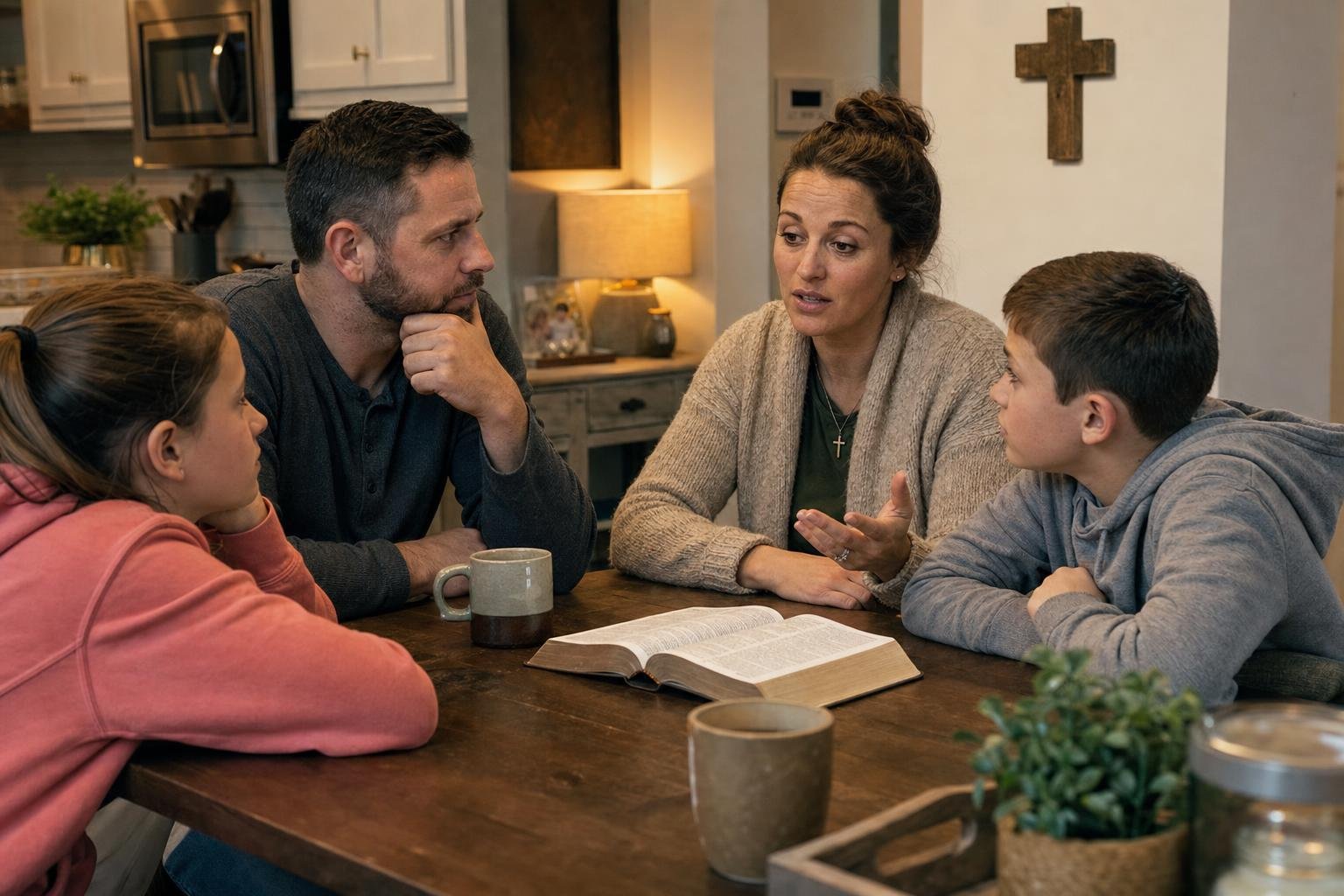
How To Talk With Kids About Dragon magic In Family Movies
A parent-friendly guide to discussing dragon magic in family movies through a Christian lens.
Read article
How To Talk With Kids About Mild fantasy peril In Family Movies
A parent-friendly guide to discussing mild fantasy peril in family movies through a Christian lens.
Read articleMore Reviews



Official regional ratings
Local ratings remain available for reference, but LionLens separates those classifications from Christian family discernment.
Review Method
How this review was prepared
LionLens reviews are written with subtitle and dialogue evidence where available, official regional ratings data, source research, and final human editorial review before publication.