Human Reviewed
Parent feedback
68 families found this review helpful
Christian Movie Review
Inside Out Christian Movie Review
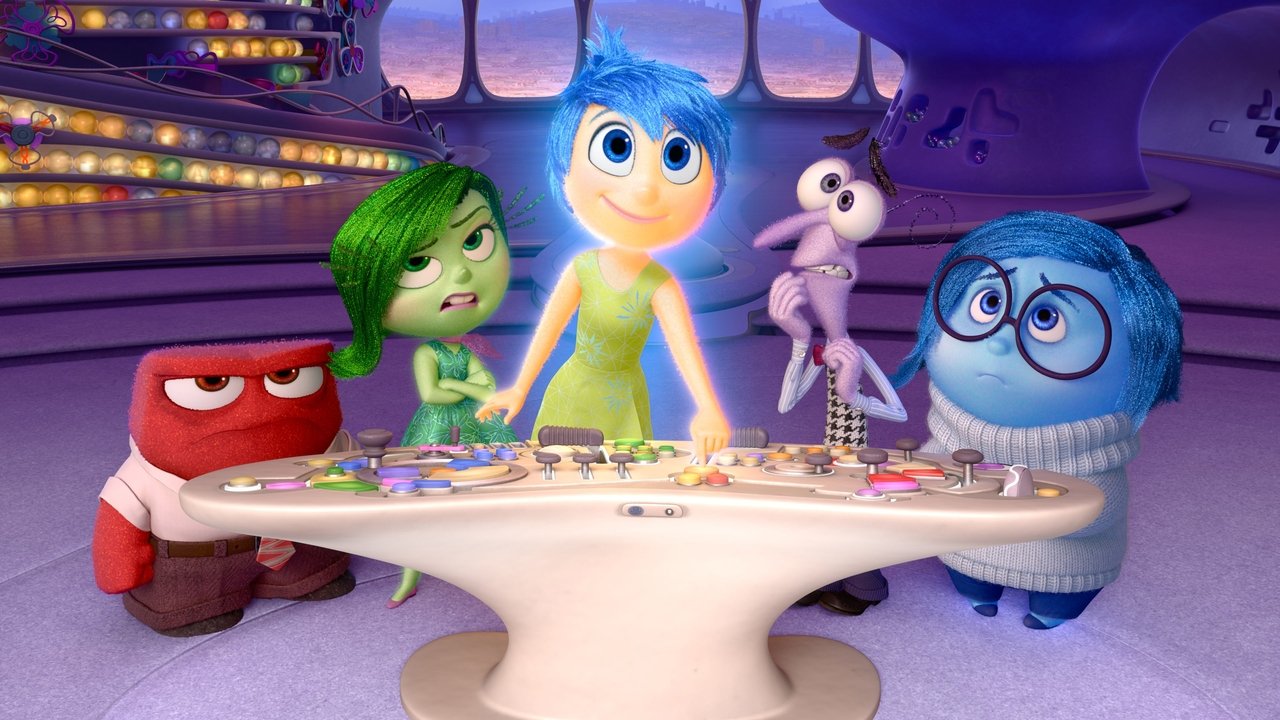
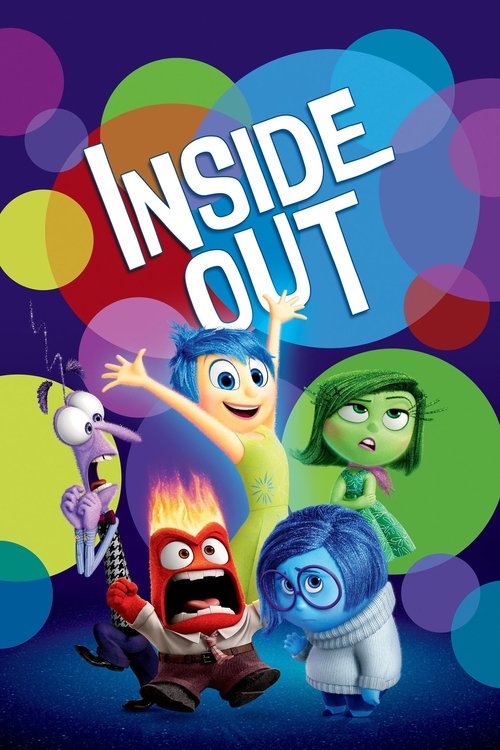
(2015)This Pixar animated film imagines the inner world of an 11-year-old girl named Riley through personified emotions like Joy, Sadness, Fear, Disgust, and Anger. As Riley faces a major family move, the story explores memory, personality, and the emotional strain of change.
Inside Out is gentle on surface content compared with many family films, but it carries meaningful ideas about identity, emotions, and what makes a person who they are. For many Christian families, the main value is not avoiding content but using the film to talk carefully about feelings, truth, and the deeper hope found in Jesus Christ.
Use the content rating for what children will see and hear, and the Christian guidance rating for what the film may lead you to discuss.
Content Indicators

Reviewed 10 January 2026
Rachel focuses on animated films, family viewing habits, and helping parents spot worldview themes quickly.
Inside Out Christian Movie Review (2015)
Guidance: Talk Together
Inside Out is gentle on surface content compared with many family films, but it carries meaningful ideas about identity, emotions, and what makes a person who they are. For many Christian families, the main value is not avoiding content but using the film to talk carefully about feelings, truth, and the deeper hope found in Jesus Christ.
Why This Guidance Level
This lands in a discussion-advised range because the film’s content is mostly mild, but its message about emotions, memory, and identity is central to the experience. It offers much that is wise and compassionate, yet it also invites children to think of the self primarily through inner feelings. That makes it a strong conversation starter for Christian families rather than a title defined mainly by content warnings.
Faith & Worldview Perspective
Inside Out treats emotions as essential guides to human life and presents sadness as meaningful rather than useless, which reflects real insight about human weakness and the need for compassion. The tension is that the film’s inner map of the person is almost entirely psychological: memories, feelings, and personality islands explain who Riley is. Christian parents may want to discuss that feelings are gifts from God, but they are not our ruler or our savior; our deepest identity and hope are grounded in the God who made us and, ultimately, in Jesus Christ. A practical follow-up is to ask children whether feelings should be listened to, obeyed, or tested.
Truths Reflected
- Sadness and weakness should not be ignored or mocked.
- Family relationships and honest communication deeply affect a child’s heart.
Tensions to Discuss
- The film tends to define personhood through emotions and memories rather than through being made in God’s image.
- It can suggest that inner emotional harmony is the main path to wholeness, while Christian hope points beyond self-management to truth, grace, and hope in Christ.
Content & Discernment Markers
Occult & Spiritual Content
- Occult material does not stand out here. The film uses imaginative inner-world fantasy, but it is presented as a creative picture of the mind rather than spiritual practice or supernatural power. Parents may still want to clarify the difference between imaginative storytelling and spiritual truth.
Sexuality & Relationships
- Sexual content is very light. A brief joke references an imaginary boyfriend who says he would “die for her,” but romance is not a focus and there is no meaningful sexual material to drive the story.
Identity Themes
- The film repeatedly explains Riley through “Core Memories” and “islands of personality,” saying, “The islands of personality are what make Riley, Riley.” This is one of the movie’s biggest worldview ideas, because it teaches children to think about identity in terms of emotions, memories, and personality traits. Parents may want to discuss how a Christian view begins with being made in God’s image, not just with what we feel.
- Joy introduces the emotions as if they are the main forces directing Riley’s life, including lines like “That’s Fear. He’s really good at keeping Riley safe” and “That’s Anger. He… cares very deeply about things being fair.” The personification is clever, but it can encourage children to see feelings as the ones in charge rather than as responses that need wisdom and self-control.
Violence & Intensity
- Animated peril is present but generally family-level. Fear reacts with shouted warnings like “Sharp! Sharp! NO, LOOK OUT!!!” and there are moments of anxious danger language that may unsettle very sensitive children.
- A dinner-table conflict turns into a child’s angry defiance after being told, “if you don’t eat your dinner, you’re not going to get any dessert.” Anger responds, “So, that’s how you want to play it, old man?” followed by “Right after you eat this! AHHH!!!” The scene matters less for violence than for modeling disrespect and emotional escalation under frustration.
- There are also mild death-related jokes and gross-out tension in the new house sequence, including “A dead mouse!” and “We’re gonna get rabies.” The tone is comic, but younger children may still react to the imagery and panic.
Language & Humour
- Language is mostly mild and comic. Parents may notice insults and put-downs such as “shut up,” “moron,” “idiot,” “dumb,” “nitwit,” and “barf,” along with frustrated phrases like “stinks” and “the worst day ever.” There is also a brief implied bleeped curse tied to Anger. The language is not heavy, but it fits the film’s theme of emotions running hot.
Other Content Notes
- Emotional distress is a major part of the film. Sadness is introduced crying, Riley faces disappointment and upheaval after moving, and the story includes parental stress and arguing. For some children, the emotional heaviness may land more strongly than the adventure elements. Parents may want to talk about bringing sadness honestly to God rather than hiding it.
- Family stress is shown in everyday ways, including tension over the move and lines such as “Mom and Dad are stressed out” and “Arguing.” The film does not attack family itself, but it does show how quickly a child can interpret adult stress in personal ways.
Notable Moments
- Sadness introduced: The film introduces Sadness with crying and uncertainty about her role, setting up the story’s central emotional theme.
“I’m Sadness.”
- Anger at dinner: A discipline moment over dessert turns into a burst of childish defiance and disrespect toward Dad.
“So, that’s how you want to play it, old man? No dessert!? Oh, sure! We’ll eat our dinner! Right after you eat this! AHHH!!!”
- Identity framework: The movie clearly states its view that personality is built from core memories and emotional experiences.
“The islands of personality are what make Riley, Riley.”
- Family move stress: The new house sequence mixes humor with distress, disgust, and fear about change.
“We’re suppose to live here?”
Discussion Prompts
- Feelings are real, but they are not our master: When Riley feels strong emotions, do those feelings always tell her the truth? How can we listen to feelings without letting them control us?
- Biblical guidance: Scripture shows that the heart and emotions matter, but they need wisdom, truth, and self-control under God.
- Scripture: Proverbs 4:23, Galatians 5:22-23, Psalm 42:5
- Identity is deeper than personality traits: The movie says personality islands make Riley who she is. What does God say makes a person valuable and important?
- Biblical guidance: A Christian view begins with being made in the image of God, not merely with memories, moods, or talents.
- Scripture: Genesis 1:27, Psalm 139:13-14, Ephesians 2:10
- Sadness, comfort, and Christian hope: Why do you think sadness matters in the story? What should we do with sadness in real life?
- Biblical guidance: The Bible does not deny sorrow; it teaches us to bring grief honestly to God and to find comfort and hope in Him, ultimately through Jesus Christ.
- Scripture: Psalm 34:18, Matthew 5:4, 2 Corinthians 1:3-4
- Responding to parents with respect: What happened when Riley reacted in anger to her dad? What would a respectful response have looked like?
- Biblical guidance: Children are called to honor parents, and all of us are called to be slow to anger.
- Scripture: Ephesians 6:1-3, James 1:19-20, Proverbs 15:1
Common questions about Inside Out
- What age is Inside Out suitable for?
- Inside Out suits children of about 6 and older in most families. The main reason is violence and peril. Animated peril is present but generally family-level. Younger viewers may still enjoy it alongside a parent, and it raises worldview questions worth talking through afterwards.
- Is Inside Out okay for a 4-year-old?
- Inside Out is generally better suited to children of about 6 and up, so a 4-year-old may find parts of it a stretch. Animated peril is present but generally family-level. Families whose children handle violence and peril well may still be comfortable watching together.
Age guidance is derived from this review's content findings and the film's official classifications. It is a starting point for your own judgement, not a rule.
Parent comments
Leave a comment on this review
Share a short note on Inside Out, or help other parents with discernment.
Submit will ask you to sign in first.
Weekend family picks
Get the short family movie list before the weekend
Example newsletter: 3 movies to watch this weekend with your family, plus one question to ask after the credits.
Sample: 3 movies to watch this weekend with your family
One cinema pick, one streaming pick, one conversation-starter pick.
Related Articles
A few bigger-picture reads for parents who want more context than a single review page can hold.

Animal Farm And Talking With Kids About Power, Truth, And Sin
Animal Farm can help older children see how slogans, fear, and corrupted authority distort truth, but parents should frame the story with a biblical view of sin.
Read article
5 Things To Notice In Kids Movies Before The Message Lands
A child can absorb a movie long before they can explain it. These five checkpoints help Christian parents notice what a film is training the heart to love, fear, excuse, or trust.
Read article
Why A Clean Movie Can Still Need A Christian Conversation
Sometimes the hardest films to evaluate are not the obviously rough ones, but the polished and emotionally appealing movies that carry deeper assumptions quietly. This article explains why.
Read articleMore Reviews




Official regional ratings
Local ratings remain available for reference, but LionLens separates those classifications from Christian family discernment.
Review Method
How this review was prepared
LionLens reviews are written with subtitle and dialogue evidence where available, official regional ratings data, source research, and final human editorial review before publication.