Human Reviewed
Parent feedback
52 families found this review helpful
Christian Movie Review
Inside Out 2 Christian Movie Review
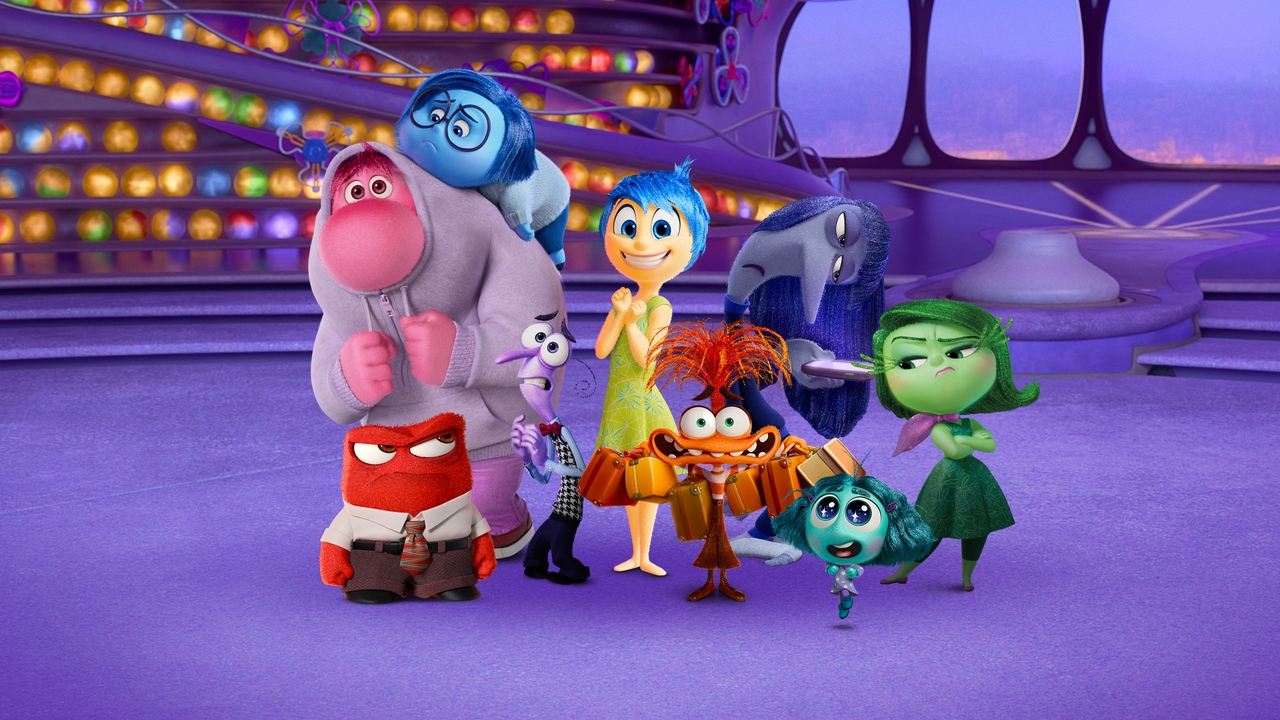
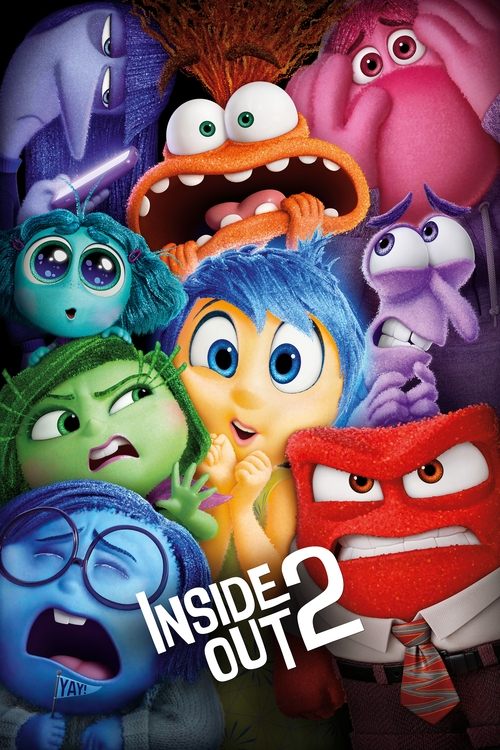
(2024)Teenager Riley's mind headquarters is undergoing a sudden demolition to make room for something entirely unexpected: new Emotions! Joy, Sadness, Anger, Fear and Disgust, who’ve long been running a successful operation by all accounts, aren’t sure how to feel when Anxiety shows up. And it looks like she’s not alone.
This sequel stays in family-friendly territory for surface content, with mild sports peril, a little rude humor, and brief mild language. The bigger conversation point for Christian families is its view of identity and the self, which is thoughtful and emotionally rich but rooted mainly in inner beliefs and feelings rather than in God.
Start with the content rating, then use the Christian guidance rating to decide how much conversation your family may need.
Content Indicators

Reviewed 22 April 2026
Esther handles review quality, clarity, and the practical guidance families need after the credits roll.
Inside Out 2 Christian Movie Review (2024)
Guidance: Talk Together
This sequel stays in family-friendly territory for surface content, with mild sports peril, a little rude humor, and brief mild language. The bigger conversation point for Christian families is its view of identity and the self, which is thoughtful and emotionally rich but rooted mainly in inner beliefs and feelings rather than in God.
Why This Guidance Level
The main concerns here are not harsh content but message-level ones. The film appears gentle in tone, with brief hockey contact, mild insults, and some emotional distress, but it puts strong emphasis on building identity from inner beliefs, emotions, and self-perception. That can open good family conversations, especially with children entering the teen years, about emotions as real gifts from God while also remembering that our deepest identity is received from Him, not constructed only from within.
Faith & Worldview Perspective
The film treats emotions with compassion and presents growing up as complex, messy, and meaningful. It reflects truth by showing that feelings matter, friendship shapes us, and anxiety can distort how we see ourselves. The tension is that it frames a person’s “Sense of Self” as something formed primarily by accumulated beliefs and inner experience. A Christian parent may want to discuss that feelings and personal beliefs influence us, but they are not the final authority over who we are; God is.
Truths Reflected
- Emotions are real and should be understood rather than ignored.
- Friendship, kindness, and honest support help shape character.
Tensions to Discuss
- Identity is presented mainly as something built from inner beliefs and self-talk rather than grounded first in God’s design and truth.
- The film may encourage children to look inward for ultimate self-definition, which can conflict with a biblical view of identity rooted in the Lord.
Content & Discernment Markers
Occult & Spiritual Content
- Occult material does not stand out here. The story takes place inside Riley’s mind and personifies emotions, but this functions as imaginative storytelling rather than spiritual practice or supernatural power outside a biblical framework.
Sexuality & Relationships
- Romantic or sexual material is very light. The excerpt focuses on friendship, hockey, family support, and growing up, with no sexualized dialogue or suggestive scenes standing out.
Identity Themes
- A major idea is that memories create beliefs, and those beliefs form Riley’s “Sense of Self.” The film uses lines like “I’m a really good friend” and “I’m a good person” to show identity being built from inner beliefs. This matters for Christian families because it offers a meaningful but incomplete picture of personhood that may need to be balanced with a God-centered view of identity.
- Riley’s move into adolescence is highlighted directly: “she’s officially a teenager now.” The story connects that transition with emotional change, self-evaluation, and pressure to perform well socially and athletically.
Violence & Intensity
- The action in the excerpt is mostly sports-related. Hockey play includes grunting, collisions, a trip that sends Riley to the penalty box, and quick moments of comic alarm like “Look out!” This is mild family-film peril rather than graphic violence.
Language & Humour
- Language appears mild. The excerpt includes “Oh, my gosh!” and a social put-down where one child is called a “social Titanic.” Humor also includes exaggerated reactions and gross-out beats from Disgust gagging.
Other Content Notes
- Emotional distress is a notable part of the story. Riley worries, “My penalty almost lost us the game today. What if I get to camp and I screw it up?” Sadness is shown crying and whimpering, and the film clearly leans into anxiety, self-pressure, and fear of failure.
- Parents are warm and encouraging, telling Riley, “We’re so proud of you.” That family support helps offset the pressure she feels and gives parents a positive model for responding to a child who is hard on herself.
Notable Moments
- Teen transition: Joy explains that Riley has entered adolescence, setting up the film’s focus on emotional and personal change.
“Oh, and she’s officially a teenager now.”
- Identity language: The film explicitly connects memories, beliefs, and selfhood.
“Turns out, when you put all of those beliefs together, they make the most wonderful thing of all. Her Sense of Self.”
- Self-definition: Riley’s inner life includes positive self-statements that shape how she sees herself.
“I’m a good person.”
- Performance anxiety: Riley voices fear that one mistake could define her future at camp.
“What if I get to camp and I screw it up?”
Discussion Prompts
- Emotions and truth: What feelings did Riley have that made sense, and when did those feelings start to control how she saw herself?
- Biblical guidance: Scripture shows that emotions are real, but they should be brought under God’s truth rather than allowed to rule us.
- Scripture: Psalm 42:5, Philippians 4:6-8
- Identity and the self: The movie says beliefs help form a ‘Sense of Self.’ What do you think should most deeply define who we are?
- Biblical guidance: A biblical view of identity begins with being made by God and, for believers, belonging to Christ.
- Scripture: Genesis 1:27, 2 Corinthians 5:17
- Fear of failure: Why do you think Riley was so hard on herself after the penalty, and what would it look like to respond with humility instead of panic?
- Biblical guidance: God calls us to faithfulness, not panic-driven perfection, and He meets us in weakness.
- Scripture: Proverbs 29:25, 2 Corinthians 12:9
- Family encouragement: How did Riley’s parents respond when she was anxious, and what kind of words help someone who is discouraged?
- Biblical guidance: Christian families are called to build one another up with gentleness, truth, and encouragement.
- Scripture: Ephesians 4:29, 1 Thessalonians 5:11
Common questions about Inside Out 2
- What age is Inside Out 2 suitable for?
- Inside Out 2 suits children of about 8 and older in most families. That follows its official classification. It is rated PG in Australia, the US and New Zealand, and U in the UK.
- Is Inside Out 2 okay for a 6-year-old?
- Inside Out 2 is generally better suited to children of about 8 and up, so a 6-year-old may find parts of it a stretch. It is rated PG in Australia, the US and New Zealand, and U in the UK. Families comfortable watching a little above the classification together may still be fine with it.
Age guidance is derived from this review's content findings and the film's official classifications. It is a starting point for your own judgement, not a rule.
Parent comments
Leave a comment on this review
Share a short note on Inside Out 2, or help other parents with discernment.
Submit will ask you to sign in first.
Weekend family picks
Get the short family movie list before the weekend
Example newsletter: 3 movies to watch this weekend with your family, plus one question to ask after the credits.
Sample: 3 movies to watch this weekend with your family
One cinema pick, one streaming pick, one conversation-starter pick.
Related Articles
A few bigger-picture reads for parents who want more context than a single review page can hold.
Animal Farm And Talking With Kids About Power, Truth, And Sin
Animal Farm can help older children see how slogans, fear, and corrupted authority distort truth, but parents should frame the story with a biblical view of sin.
Read article
Hoppers And Talking With Kids About Bodies, Identity, And Creation Care
Hoppers gives families a chance to talk about creation care, embodied identity, and whether good causes justify reckless choices.
Read article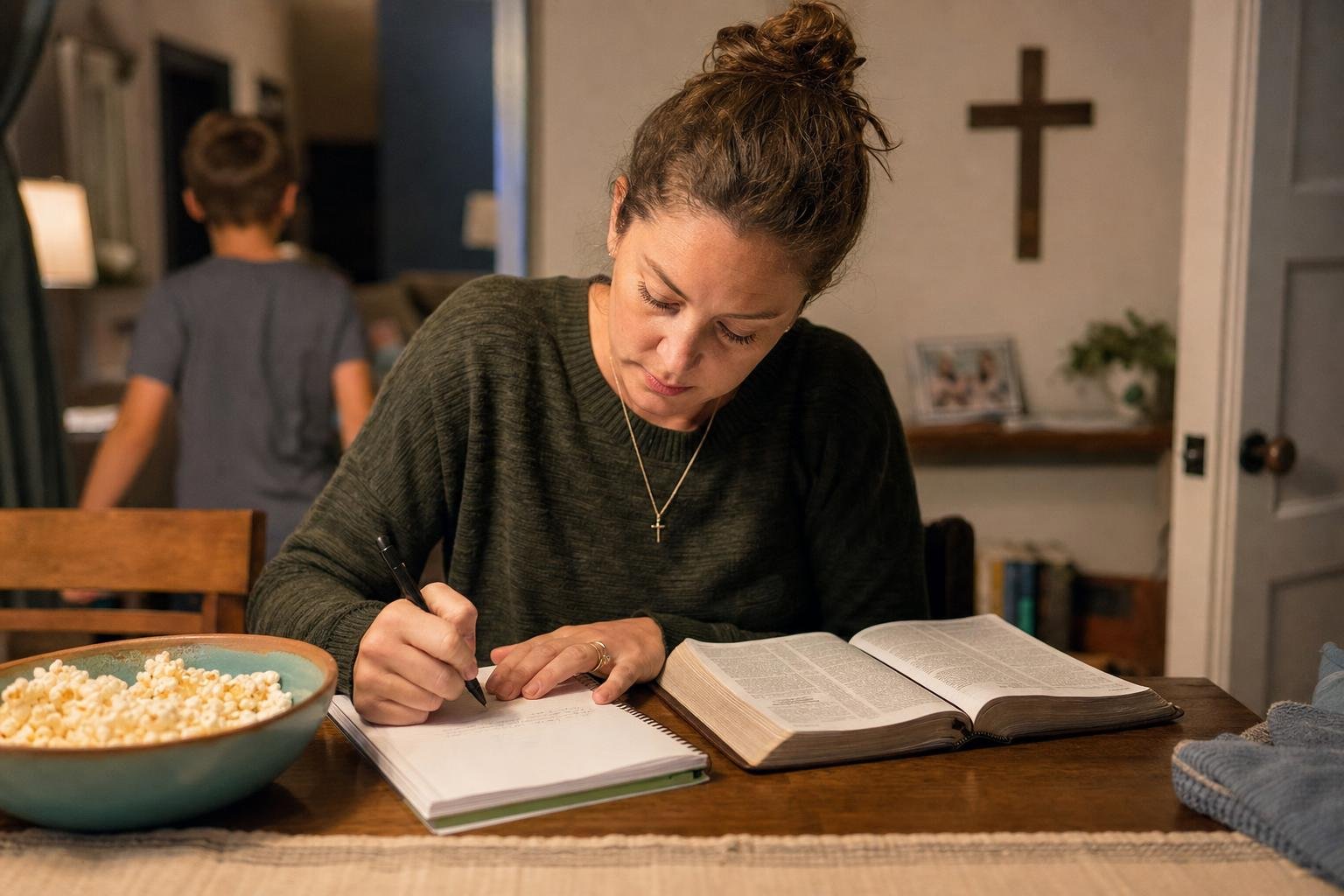
Spotting Identity Messages In Family Films
A large number of modern family stories revolve around identity, self-expression, and becoming who you already are inside. Christian parents need a simple way to notice those messages and talk about them clearly.
Read articleMore Reviews




Official regional ratings
Local ratings remain available for reference, but LionLens separates those classifications from Christian family discernment.
Review Method
How this review was prepared
LionLens reviews are written with subtitle and dialogue evidence where available, official regional ratings data, source research, and final human editorial review before publication.