
Human Reviewed
Parent feedback
29 families found this review helpful
Christian Movie Review
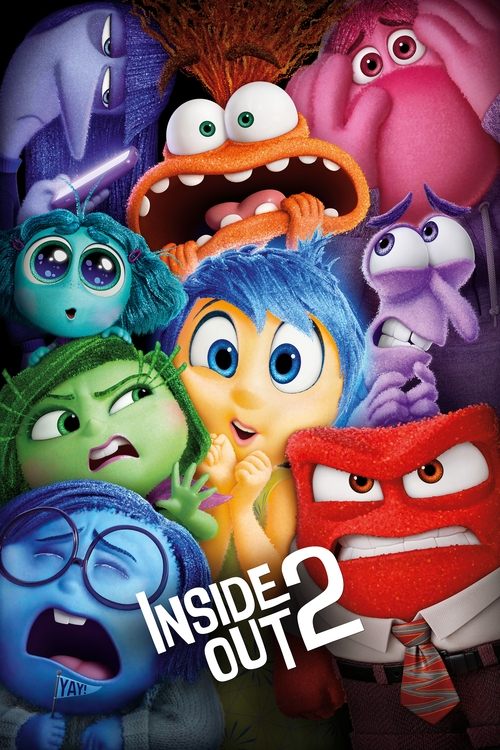
Inside Out 2 Christian Movie Review
(2024)This animated sequel returns to Riley’s inner world as she enters her teen years and new emotions disrupt the balance inside her mind. The story blends comedy, sports pressure, friendship changes, and emotional struggle as Riley faces growing-up challenges.
Surface content stays fairly mild for most families, but the film gives parents meaningful material to discuss about anxiety, identity, and what should shape a person’s sense of self. Its strongest discernment questions come from worldview and emotional messaging more than from objectionable content.
Use the content rating for what children will see and hear, and the Christian guidance rating for what the film encourages them to believe about identity and emotional life.
Content Indicators

Reviewed 13 November 2025
Rachel focuses on animated films, family viewing habits, and helping parents spot worldview themes quickly.
Inside Out 2 Christian Movie Review (2024)
Guidance: Talk Together
Surface content stays fairly mild for most families, but the film gives parents meaningful material to discuss about anxiety, identity, and what should shape a person’s sense of self. Its strongest discernment questions come from worldview and emotional messaging more than from objectionable content.
Why This Guidance Level
This lands in the middle guidance range because the movie’s surface content is mild, but its message about identity, selfhood, and emotional authority is important enough to discuss. The film offers helpful compassion toward anxiety and growing pains, yet it also leans toward an inward, feelings-shaped view of the self that Christian families may want to place alongside the steadier hope and identity found in Christ.
Faith & Worldview Perspective
Inside Out 2 treats emotions as important parts of human life and shows that fear, sadness, and anxiety should not simply be denied. That reflects a real truth: God made us as emotional beings, and Scripture does not call us to pretend we never feel distress. The tension comes when the film centers the self around internal beliefs and emotional management rather than around truth outside the self. Riley’s “Sense of Self” is presented as something assembled from memories and beliefs like “I’m a really good friend” and “I’m a good person.” Christian parents may want to discuss that our hearts matter, but they are not infallible guides; identity is most secure when received from the God who made us and redeemed us in Jesus Christ.
Truths Reflected
- Emotions are real and should be understood rather than ignored.
- Friendship, family support, and honest conversation matter during stressful seasons.
Tensions to Discuss
- The film leans toward identity as something built from inner beliefs and feelings rather than received from God.
- It can suggest that emotional integration is the main path to peace, while Christian hope ultimately rests in truth and in Jesus Christ, not in self-management alone.
Content & Discernment Markers
Occult & Spiritual Content
- Occult material does not stand out here. The story’s inner-mind setting is imaginative fantasy rather than occult practice, but parents may still want to explain that the film’s picture of the inner self is symbolic storytelling, not a Christian account of the soul.
Sexuality & Relationships
- Sexual content is very light. A brief joke references a crush in Riley’s imagination, but romance is not a major focus.
Identity Themes
- A central idea is that Riley’s beliefs and memories form her “Sense of Self,” with lines such as “I’m a really good friend” and “I’m a good person.” This matters for Christian families because it frames identity as something built from inner beliefs rather than first received from God. Parents may want to discuss where our truest identity comes from.
- The film strongly emphasizes that all emotions have a place in a healthy life. That can open a helpful conversation about naming feelings honestly while also bringing them under truth, wisdom, and obedience to Christ.
Violence & Intensity
- Peril is mild to moderate in a family-adventure way. The hockey setting includes collisions, tripping, grunts, a penalty, and shouted reactions like “Look out!” and “Oh, no…” There are also suspenseful moments tied to Riley’s inner turmoil. The intensity is more emotional than violent.
Language & Humour
- Language is very mild. The film includes phrases such as “oh my gosh,” “screw it up,” and mild insults like “jerk” and “moron,” along with playful exaggerated humour.
Other Content Notes
- Emotional distress is one of the film’s biggest concerns for sensitive children. Riley worries, “My penalty almost lost us the game today. What if I get to camp and I screw it up?” The story spends meaningful time on anxiety, pressure, and being hard on yourself. Parents may want to talk about taking worries to God instead of letting fear take control.
Notable Moments
- Sense of Self: The film explicitly ties Riley’s identity to beliefs formed from memories and experiences.
“Her Sense of Self.”
- Self-definition: Riley’s inner beliefs are summarized in moral and relational self-statements.
“I’m a good person.”
- Performance anxiety: Riley voices fear that one mistake could define her future at camp.
“My penalty almost lost us the game today. What if I get to camp and I screw it up?”
- Sports peril: The opening hockey sequence includes fast action, collisions, and startled reactions.
“Look out!”
Discussion Prompts
- Identity and self-worth: When Riley starts defining herself by beliefs like “I’m a good person” or by how she performs, what do you think is strong about that, and what might be missing?
- Biblical guidance: Scripture teaches that our deepest identity is not something we invent on our own; we are made by God and, in Christ, made new.
- Scripture: Genesis 1:27, 2 Corinthians 5:17, Galatians 2:20
- Emotions and truth: Do feelings always tell the truth? How can emotions help us notice something real without becoming the boss of our choices?
- Biblical guidance: The Bible makes room for sorrow, fear, and joy, but it also calls us to bring our hearts before God and let truth guide us.
- Scripture: Psalm 42:5, Proverbs 4:23, Philippians 4:6-8
- Anxiety and hope: What did Riley do when she felt pressure about camp and making mistakes? What could it look like to respond to anxiety with prayer and trust in Jesus Christ?
- Biblical guidance: Christian hope does not deny anxiety; it brings fear to the Lord, who cares for us and gives peace beyond self-control alone.
- Scripture: Matthew 6:25-34, 1 Peter 5:7, John 14:27
- Friendship and character: How do friends shape Riley? What makes someone a truly good friend according to God’s Word?
- Biblical guidance: The film values friendship, and Scripture adds that faithful friends tell the truth, show love, and help us grow in wisdom.
- Scripture: Proverbs 13:20, Proverbs 27:17, John 15:12-13
Common questions about Inside Out 2
- What age is Inside Out 2 suitable for?
- Inside Out 2 suits children of about 8 and older in most families. That follows its official classification. It is rated PG in Australia, the US and New Zealand, and U in the UK. Peril is mild to moderate in a family-adventure way. Younger viewers may still enjoy it alongside a parent, and it raises worldview questions worth talking through afterwards.
- Is Inside Out 2 okay for a 6-year-old?
- Inside Out 2 is generally better suited to children of about 8 and up, so a 6-year-old may find parts of it a stretch. It is rated PG in Australia, the US and New Zealand, and U in the UK. Peril is mild to moderate in a family-adventure way. Families comfortable watching a little above the classification together may still be fine with it.
Age guidance is derived from this review's content findings and the film's official classifications. It is a starting point for your own judgement, not a rule.
Parent comments
Leave a comment on this review
Share a short note on Inside Out 2, or help other parents with discernment.
Submit will ask you to sign in first.
Weekend family picks
Get the short family movie list before the weekend
Example newsletter: 3 movies to watch this weekend with your family, plus one question to ask after the credits.
Sample: 3 movies to watch this weekend with your family
One cinema pick, one streaming pick, one conversation-starter pick.
Related Articles
A few bigger-picture reads for parents who want more context than a single review page can hold.
Animal Farm And Talking With Kids About Power, Truth, And Sin
Animal Farm can help older children see how slogans, fear, and corrupted authority distort truth, but parents should frame the story with a biblical view of sin.
Read article
5 Things To Notice In Kids Movies Before The Message Lands
A child can absorb a movie long before they can explain it. These five checkpoints help Christian parents notice what a film is training the heart to love, fear, excuse, or trust.
Read article
Why A Clean Movie Can Still Need A Christian Conversation
Sometimes the hardest films to evaluate are not the obviously rough ones, but the polished and emotionally appealing movies that carry deeper assumptions quietly. This article explains why.
Read articleMore Reviews




Official regional ratings
Local ratings remain available for reference, but LionLens separates those classifications from Christian family discernment.
Review Method
How this review was prepared
LionLens reviews are written with subtitle and dialogue evidence where available, official regional ratings data, source research, and final human editorial review before publication.