
Human Reviewed
Parent feedback
37 families found this review helpful
Christian Movie Review
Inkheart Christian Movie Review
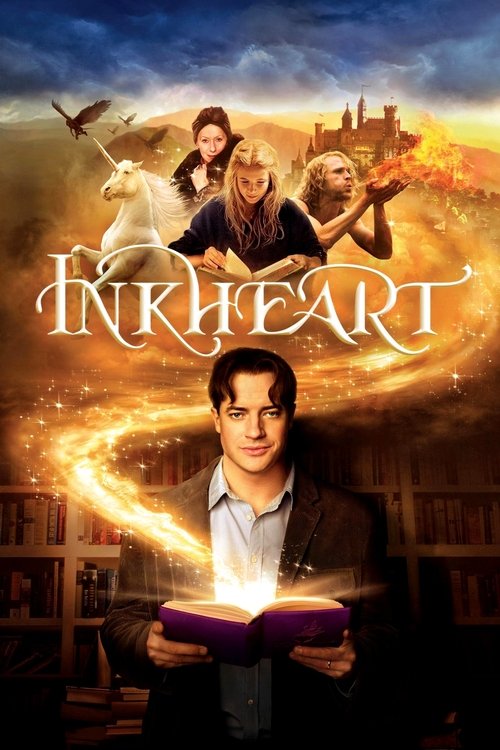
(2008)Inkheart is a fantasy adventure about a father and daughter drawn into a world where stories can become real when read aloud. The film follows their search for a missing mother while dangerous villains, magical creatures, and hidden family secrets close in around them.
This is a family fantasy with moderate peril, some scary scenes, and a few mild language moments. Its bigger weight for Christian families is the story’s magical premise and the way truth, secrecy, and power are handled.
Use the content rating for the scares and the Christian guidance rating for the story’s magical worldview and family secrecy.
Content Indicators

Reviewed 29 May 2026
Esther handles review quality, clarity, and the practical guidance families need after the credits roll.
Inkheart Christian Movie Review (2008)
Guidance: Talk Together
This is a family fantasy with moderate peril, some scary scenes, and a few mild language moments. Its bigger weight for Christian families is the story’s magical premise and the way truth, secrecy, and power are handled.
Why This Guidance Level
Inkheart sits in the middle ground for family viewing. The surface content is mostly PG-level fantasy peril, with kidnappings, threats, and a few mild swear words, but the larger issue for Christian families is the magical idea that spoken words can summon people and creatures into the world. That worldview is not the same as biblical faith, and the film also leans on secrecy and manipulation inside the family, so it gives parents real material to discuss even though it is not especially graphic.
Faith & Worldview Perspective
The film celebrates stories, reading, and family loyalty, which are good themes, but it builds its fantasy around a power that treats words almost like a force of creation. Parents may want to discuss how that differs from the Christian view that God alone gives life and authority, and how Jesus Christ offers truth and hope rather than hidden power.
Truths Reflected
- Stories can shape imagination and reveal what people value.
- Family love and persistence matter in hard circumstances.
Tensions to Discuss
- The film gives human speech a magical power that can create and control reality, which can blur the line between fantasy and God’s unique authority.
- Mo’s secrecy and refusal to answer Meggie openly create tension around truthfulness and trust within the family.
Content & Discernment Markers
Occult & Spiritual Content
- The central fantasy premise says that certain people can read characters out of books and into the real world: “There are those, who by reading out loud… can bring characters to life.” That imaginative idea drives the whole plot, but it also gives spoken words a power that Christian families may want to weigh carefully. Discuss with children how this differs from God’s real authority and the hope we have in Christ.
Sexuality & Relationships
- Sexual content stays very light. The story focuses on family bonds, a missing mother, and brief affectionate moments rather than romance or sexual material.
Identity Themes
- Meggie learns that her father has hidden a family secret about the “Silvertongue” gift, and she pushes back with lines like “I don’t understand at all” and “Why did he call you Silvertongue?” The film uses inherited ability and identity as major story drivers, and parents may want to discuss how a person’s worth is not defined by a special gift.
Violence & Intensity
- Villains threaten, chase, and kidnap characters, and one tense sequence has Meggie shouting, “Dad!… What’s happening?” while Mo orders, “Run! Get in, get in! Come on. Start! Stop!” The danger is not graphic, but it is sustained enough to feel real, especially for younger children. Parents may want to talk about fear, courage, and trusting God in danger.
Language & Humour
- Language is mild but noticeable, with phrases such as “damn” and “for God’s sake” alongside sharp family banter like “Would you please stop ringing that damn bell!” The speech is not constant profanity, but these words may matter to families who prefer cleaner dialogue.
Other Content Notes
- The emotional center of the film is Meggie’s longing for her mother and her frustration with Mo’s secrecy, especially when he says, “I have to protect you. And your mother.” That family tension gives the story heart, but it also raises questions about honesty, trust, and how parents should guide children.
Notable Moments
- Reading brings characters alive: The opening explains the film’s magical premise: reading aloud can pull fictional characters into the real world, setting up the story’s central fantasy and its worldview questions.
“There are those, who by reading out loud… can bring characters to life.”
- Danger at the bookshop: A tense confrontation erupts when Mo is warned that villains are waiting for him and Meggie, and the scene turns into a frantic escape with shouted commands and confusion.
“Run! Get in, get in! Come on. Start! Stop!”
- Family secrecy: Meggie presses her father for answers, but he shuts her down to protect her and her mother, creating a strong thread of mistrust and longing.
“I have to protect you. And your mother.”
Discussion Prompts
- Words and authority: What does this movie suggest words can do, and how is that different from the way the Bible talks about God’s power?
- Biblical guidance: Scripture presents God, not human speech, as the one with ultimate authority over creation and life.
- Scripture: Genesis 1:1-3, John 1:1-3, Hebrews 1:1-3
- Truth and family trust: Was Mo right to keep secrets from Meggie, and when does protection become a lack of honesty?
- Biblical guidance: The Bible values truthfulness and wise speech, even when the truth is hard to share.
- Scripture: Ephesians 4:25, Proverbs 12:22, Colossians 3:9
- Fear and hope: When the characters are scared, what helps them keep going, and where does Christian hope in Christ give a stronger answer?
- Biblical guidance: Believers face fear with the presence of God and the hope that Christ is stronger than danger.
- Scripture: Psalm 56:3-4, John 16:33, 2 Timothy 1:7
Common questions about Inkheart
- What age is Inkheart suitable for?
- Inkheart suits children of about 8 and older in most families. That follows its official classification. It is rated PG in Australia, the US, New Zealand, the UK and Canada. Language is mild but noticeable, with phrases such as "damn" and "for God's sake" alongside sharp family banter like "Would you please stop ringing that damn bell!" Younger viewers may still enjoy it alongside a parent, and it raises worldview questions worth talking through afterwards.
- Is Inkheart okay for a 6-year-old?
- Inkheart is generally better suited to children of about 8 and up, so a 6-year-old may find parts of it a stretch. It is rated PG in Australia, the US, New Zealand, the UK and Canada. Language is mild but noticeable, with phrases such as "damn" and "for God's sake" alongside sharp family banter like "Would you please stop ringing that damn bell!" Families comfortable watching a little above the classification together may still be fine with it.
Age guidance is derived from this review's content findings and the film's official classifications. It is a starting point for your own judgement, not a rule.
Parent comments
Leave a comment on this review
Share a short note on Inkheart, or help other parents with discernment.
Submit will ask you to sign in first.
Weekend family picks
Get the short family movie list before the weekend
Example newsletter: 3 movies to watch this weekend with your family, plus one question to ask after the credits.
Sample: 3 movies to watch this weekend with your family
One cinema pick, one streaming pick, one conversation-starter pick.
Related Articles
A few bigger-picture reads for parents who want more context than a single review page can hold.

How To Talk With Kids About Magic, Fate, And Spiritual Themes In Movies
Many family movies use magic, destiny, spirits, or cosmic balance to drive the story. This article helps Christian parents respond without overreacting, while still drawing clear lines back to biblical truth.
Read article
How To Talk With Kids About Dragon magic In Family Movies
A parent-friendly guide to discussing dragon magic in family movies through a Christian lens.
Read article
How To Talk With Kids About Mild fantasy peril In Family Movies
A parent-friendly guide to discussing mild fantasy peril in family movies through a Christian lens.
Read articleMore Reviews



Official regional ratings
Local ratings remain available for reference, but LionLens separates those classifications from Christian family discernment.
Review Method
How this review was prepared
LionLens reviews are written with subtitle and dialogue evidence where available, official regional ratings data, source research, and final human editorial review before publication.