

Human Reviewed
Parent feedback
60 families found this review helpful
Christian Movie Review
Ice Age: Collision Course Christian Movie Review
(2016)Set after the events of Continental Drift, Scrat's epic pursuit of his elusive acorn catapults him outside of Earth, where he accidentally sets off a series of cosmic events that transform and threaten the planet. To save themselves from peril, Manny, Sid, Diego, and the rest of the herd leave their home and embark on a quest full of thrills and spills, highs and lows, laughter and adventure while traveling to exotic new lands and locations.
This animated sequel stays in the broad family-adventure lane, with comic peril, slapstick action, and a few relational themes around belonging and romance. The main discernment point for Christian families is the film’s use of mystical and cosmic ideas as part of its problem-solving, which may be worth discussing rather than simply absorbing.
Start with the content rating, then use the Christian guidance rating to decide how much conversation your family may need.
Content Indicators

Reviewed 18 March 2026
Esther handles review quality, clarity, and the practical guidance families need after the credits roll.
Ice Age: Collision Course Christian Movie Review (2016)
Guidance: Talk Together
This animated sequel stays in the broad family-adventure lane, with comic peril, slapstick action, and a few relational themes around belonging and romance. The main discernment point for Christian families is the film’s use of mystical and cosmic ideas as part of its problem-solving, which may be worth discussing rather than simply absorbing.
Why This Guidance Level
The overall content appears to fit a mainstream family animated adventure, so surface concerns are not especially heavy. The stronger issue is worldview: the story leans on mystical, cosmic, and fate-shaped ideas that can blur where hope and guidance come from. For many Christian families, that makes this less about obvious objectionable content and more about watching with conversation.
Faith & Worldview Perspective
The film emphasizes family loyalty, courage, and sacrificial care for others, which are meaningful strengths. At the same time, it appears to frame parts of the story through cosmic balance, destiny, and mystical insight rather than grounding hope in truth from God. That may conflict with a biblical view because wisdom, rescue, and ultimate hope come from the Lord, and Christian hope is centered in Jesus Christ rather than fate or the universe. Parents may want to discuss the difference between fantasy storytelling and where real spiritual guidance should come from.
Truths Reflected
- Family members are called to protect and care for one another.
- Courage and self-sacrifice for others reflect real moral good.
Tensions to Discuss
- Mystical or cosmic guidance can suggest that truth comes from spiritual forces other than God, which a Christian parent may want to discuss.
- A fate-driven outlook can blur the Christian conviction that history and hope are held by God, not by impersonal destiny.
Content & Discernment Markers
Occult & Spiritual Content
- The story uses mystical and cosmic ideas as part of its adventure framework, including spiritualized language about the universe, destiny, or special insight. In a family comedy this may feel light, but it still matters because it can present guidance as coming from mystical forces rather than from God. Parents may want to discuss why Christians look to the Lord and to the hope of Jesus Christ, not to fate or cosmic energy.
Sexuality & Relationships
- Romantic subplots and pairing-off themes are present in a light, comedic way, with relationship tension, attraction, and family-centered romance rather than explicit sexual material. This is mild, but it may still prompt conversation about commitment, affection, and how love is more than chemistry or comic infatuation.
Identity Themes
- Several characters wrestle with belonging, change, and whether they still have a place in the group as relationships shift. That can open a useful conversation about identity being rooted in being loved and made with purpose, not just in usefulness or social approval. Parents may want to ask where our deepest security should come from.
Violence & Intensity
- The film includes animated danger tied to an end-of-the-world style threat, chase scenes, falls, impacts, and frantic attempts to survive disaster. The action is stylized and comic rather than graphic, but younger children may still feel the repeated peril and large-scale destruction themes.
Language & Humour
- Humor appears to rely more on frantic banter, teasing, and mild put-downs than on strong profanity. Parents sensitive to disrespectful speech may still notice sarcastic exchanges and comic insults, even though coarse language does not seem to be a defining feature here.
Other Content Notes
- The movie’s broad comedy often treats serious danger with a playful tone, which can make frightening events feel silly rather than weighty. That keeps the mood light, but it can also flatten moral seriousness and make catastrophe feel like just another joke.
Notable Moments
- Cosmic threat: The central conflict revolves around a large-scale disaster threat that drives repeated scenes of panic, escape, and survival.
- Mystical guidance: The story uses spiritualized or cosmic ideas to frame how characters understand what is happening and what they should do next.
Discussion Prompts
- Where guidance comes from: When characters look to mystical signs or cosmic ideas for answers, how is that different from seeking wisdom from God?
- Biblical guidance: Scripture teaches that true wisdom comes from the Lord, not from spiritual forces or fate.
- Scripture: James 1:5, Proverbs 3:5-6, Deuteronomy 18:10-12
- Fear and security: When the world in the movie feels out of control, what helps the characters keep going, and what should give Christians real security?
- Biblical guidance: Christians can talk about fear honestly while remembering that God is our refuge and our hope is in Christ.
- Scripture: Psalm 46:1-2, Matthew 6:25-34, John 16:33
- Family loyalty and sacrifice: What examples of protecting or sacrificing for family stood out to you? Were those choices wise and loving?
- Biblical guidance: The Bible honors self-giving love and care for others, especially within family relationships.
- Scripture: John 15:13, Ephesians 5:1-2, 1 Timothy 5:8
- Identity and belonging: If someone feels left behind or less important, what does the movie say about their value, and what does God say?
- Biblical guidance: Our worth is not based on usefulness or popularity but on being made by God and loved by Him.
- Scripture: Psalm 139:13-14, Genesis 1:27, Romans 8:38-39
Common questions about Ice Age: Collision Course
- What age is Ice Age: Collision Course suitable for?
- Ice Age: Collision Course suits children of about 6 and older in most families. The main reason is violence and peril. The film includes animated danger tied to an end-of-the-world style threat, chase scenes, falls, impacts, and frantic attempts to survive disaster. Younger viewers may still enjoy it alongside a parent, and it raises worldview questions worth talking through afterwards.
- Is Ice Age: Collision Course okay for a 4-year-old?
- Ice Age: Collision Course is generally better suited to children of about 6 and up, so a 4-year-old may find parts of it a stretch. The film includes animated danger tied to an end-of-the-world style threat, chase scenes, falls, impacts, and frantic attempts to survive disaster. Families whose children handle violence and peril well may still be comfortable watching together.
Age guidance is derived from this review's content findings and the film's official classifications. It is a starting point for your own judgement, not a rule.
Parent comments
Leave a comment on this review
Share a short note on Ice Age: Collision Course, or help other parents with discernment.
Submit will ask you to sign in first.
Weekend family picks
Get the short family movie list before the weekend
Example newsletter: 3 movies to watch this weekend with your family, plus one question to ask after the credits.
Sample: 3 movies to watch this weekend with your family
One cinema pick, one streaming pick, one conversation-starter pick.
Related Articles
A few bigger-picture reads for parents who want more context than a single review page can hold.

How To Talk With Kids About Magic, Fate, And Spiritual Themes In Movies
Many family movies use magic, destiny, spirits, or cosmic balance to drive the story. This article helps Christian parents respond without overreacting, while still drawing clear lines back to biblical truth.
Read article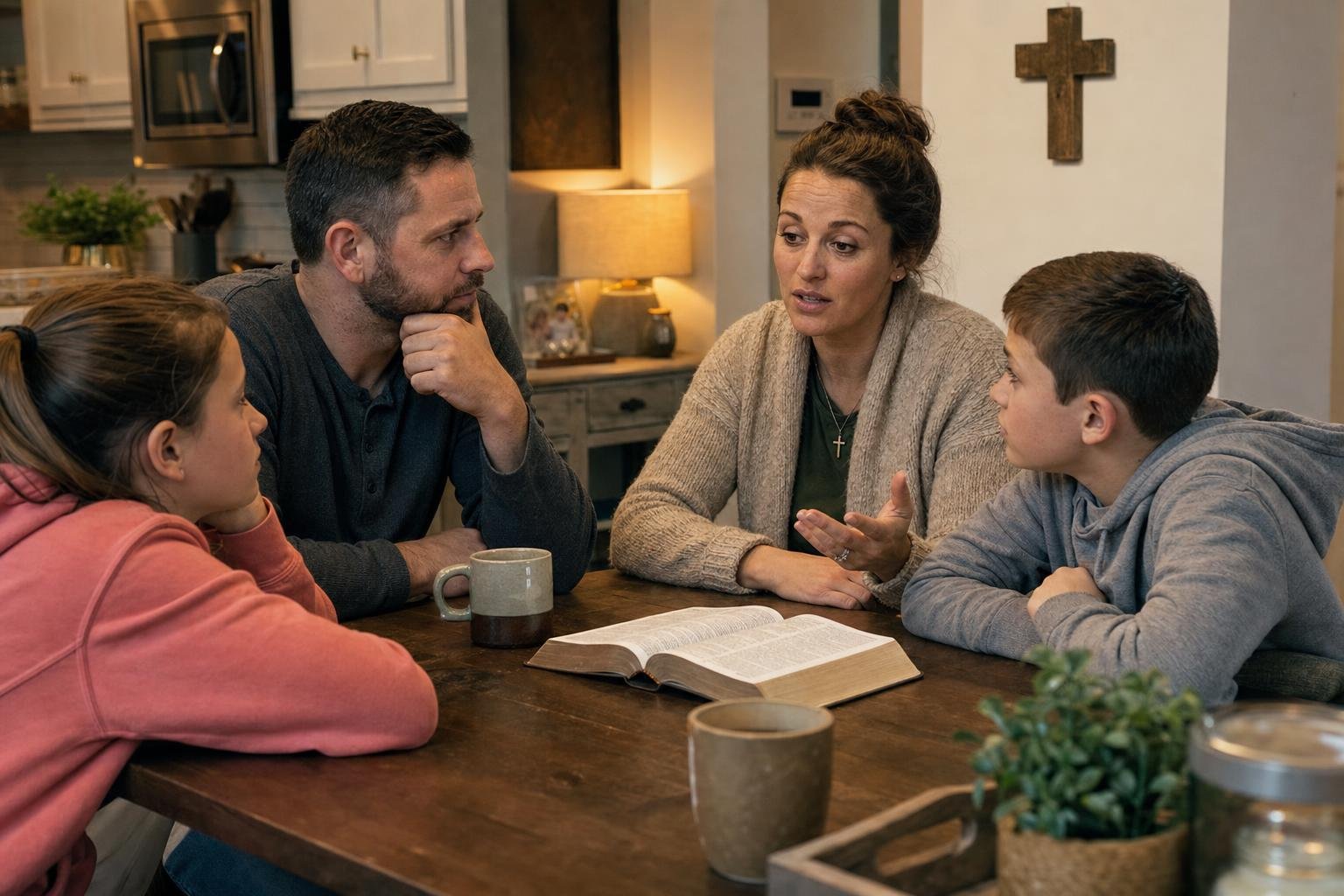
How To Talk With Kids About Dragon magic In Family Movies
A parent-friendly guide to discussing dragon magic in family movies through a Christian lens.
Read article
How To Talk With Kids About Mild fantasy peril In Family Movies
A parent-friendly guide to discussing mild fantasy peril in family movies through a Christian lens.
Read articleMore Reviews


Official regional ratings
Local ratings remain available for reference, but LionLens separates those classifications from Christian family discernment.
Review Method
How this review was prepared
LionLens reviews are written with subtitle and dialogue evidence where available, official regional ratings data, source research, and final human editorial review before publication.