Human Reviewed
Parent feedback
34 families found this review helpful
Christian Movie Review
Ice Age Christian Movie Review
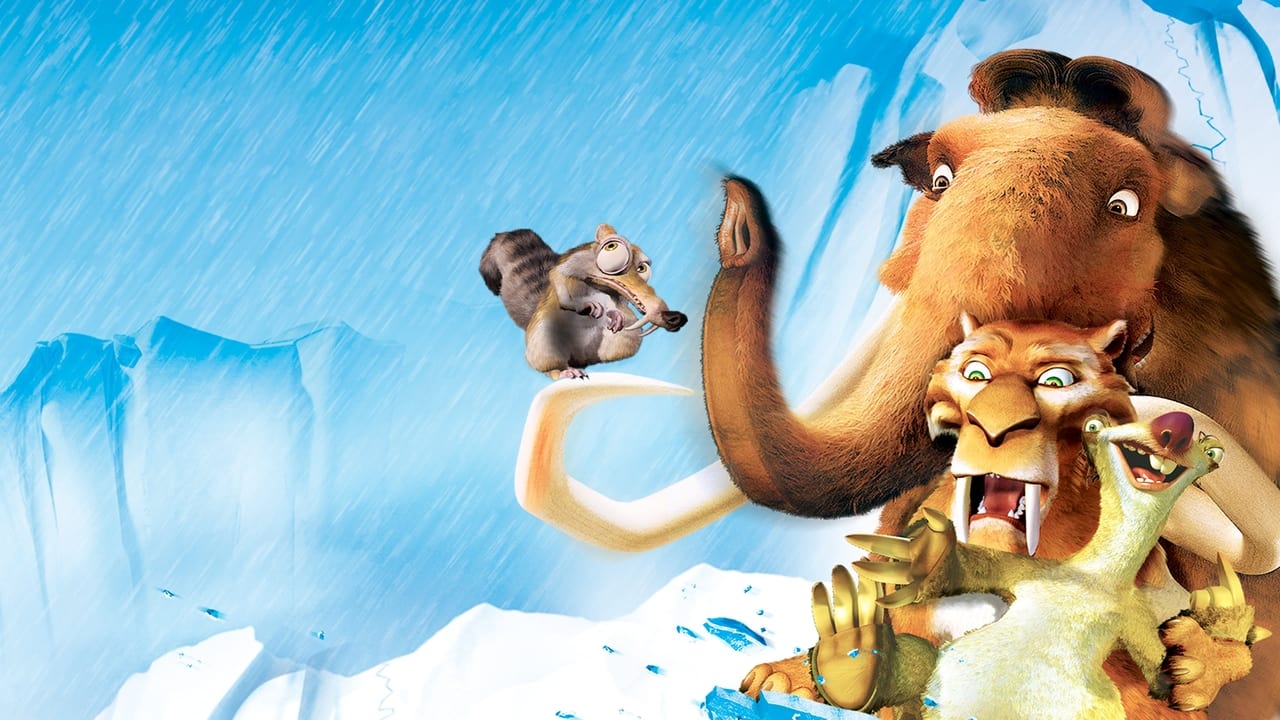
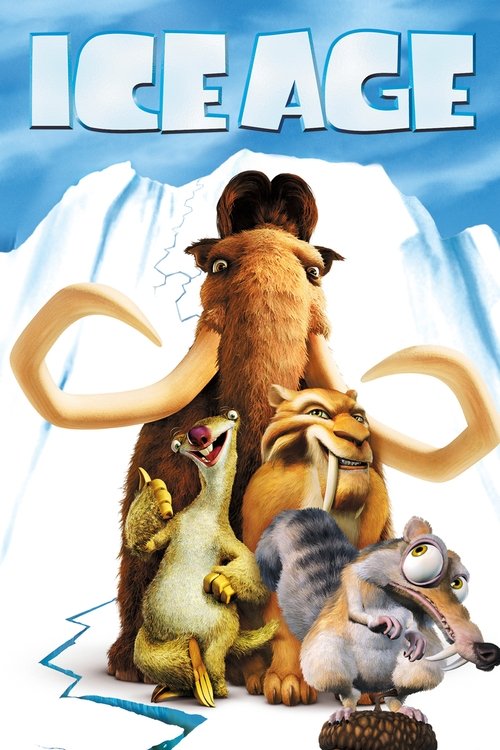
(2002)Ice Age is an animated adventure comedy about a woolly mammoth, a talkative sloth, and a saber-toothed tiger who end up traveling together while trying to return a human baby to his people. The story mixes slapstick humor, danger, and an unlikely friendship formed during a harsh migration.
This family adventure is funny and warmhearted, but it also includes repeated peril, revenge talk, and a few sad moments involving loss. Many families will find the surface content manageable, while still wanting a conversation about mercy, belonging, and how the film treats death and survival.
Use the content rating for what children will hear and see, and the Christian guidance rating for what the story may be worth discussing afterward.
Content Indicators

Reviewed 5 April 2026
Esther handles review quality, clarity, and the practical guidance families need after the credits roll.
Ice Age Christian Movie Review (2002)
Guidance: Talk Together
This family adventure is funny and warmhearted, but it also includes repeated peril, revenge talk, and a few sad moments involving loss. Many families will find the surface content manageable, while still wanting a conversation about mercy, belonging, and how the film treats death and survival.
Why This Guidance Level
Ice Age is still a mainstream family film, but the repeated danger, revenge language, and sadness around abandonment and loss give it more weight than a purely light comedy. Its strongest concerns are not graphic content or profanity, but the emotional and moral themes families may want to process together.
Faith & Worldview Perspective
The story values protecting the weak, learning to care for others, and choosing loyalty over selfishness. Those are meaningful truths Christians can affirm. The tension is that much of the conflict is driven by revenge and survival-of-the-strong instincts, and the film uses dark jokes about death and extinction for humor. Parents may want to discuss how Jesus Christ calls us beyond retaliation toward mercy, truth, and sacrificial love.
Truths Reflected
- Care for the vulnerable is treated as a real moral good.
- Friendship and sacrifice can grow even among unlikely companions.
Tensions to Discuss
- Revenge is presented as a powerful motivator, which may conflict with the biblical call to leave vengeance to God and pursue mercy.
- The film’s dark humor about death can dull the seriousness of life and loss, which Christian families may want to frame with compassion and hope in Christ.
Content & Discernment Markers
Occult & Spiritual Content
- Occult or supernatural spirituality does not stand out in this story. The world is built around prehistoric adventure rather than spiritual practice or mystical teaching.
Sexuality & Relationships
- Sexual content is very light and mostly played for jokes. Sid talks about finding a mate and says, “I think mating for life is stupid,” followed by comic banter rather than romantic or sensual material. Parents may want to contrast the joke with a Christian view of faithfulness.
Identity Themes
- A recurring emotional thread is abandonment and belonging. Sid says, “They left without me” and “Doesn’t anyone love me?” while Manny resists closeness with “There is no ‘we’.” The film treats found-family loyalty as healing. Parents may want to discuss where true identity and belonging are grounded.
Violence & Intensity
- The film includes repeated animated danger and threat. Early scenes feature near-collisions and chase energy, and later rhinos threaten Sid with lines like “We’ll break your neck so you don’t feel a thing” and “you take one step and you’re dead.” This is stylized, but it is more intense than simple slapstick.
- Predator scenes add a darker edge. Sabers talk openly about revenge and targeting the baby, including “We attack at dawn” and “bring me that baby alive,” which gives the story a stronger threat level for younger viewers.
- Loss is part of the story’s emotional weight. After the baby is rescued, one character says, “She’s gone,” and the moment lands as real grief rather than a throwaway gag. Parents may want to help younger children process sadness and courage here.
Language & Humour
- Language is mild and mostly comic, with insults and put-downs such as “you overgrown weasel,” “shut up,” “crazy mammoth,” and “wide body, kerb it next time.” There is also a body-based jab: “If my trunk was that small, I wouldn’t draw attention to myself, pal.” Families sensitive to teasing may want to note how often humor comes through mockery.
- Humor also includes gross-out reactions like “Yuck,” “Sick,” and food or bodily disgust played for laughs. The tone stays juvenile rather than crude.
Other Content Notes
- The film uses dark humor around death and extinction, including lines like “You can play extinction later” and “If he wants to freeze to death, let him.” These jokes keep the tone light, but they can also make serious danger feel casual. Parents may want to discuss the value of life and compassion.
- The story repeatedly contrasts revenge with mercy. “An eye for an eye” is spoken as justification for retaliation, while the heroes gradually move toward protecting rather than using the helpless. This moral contrast is one of the film’s best discussion points.
Notable Moments
- Rhino threat: A comic confrontation turns sharp when the rhinos threaten to kill Sid and talk about breaking his neck.
“We’ll break your neck so you don’t feel a thing.”
- Revenge motive: The sabers frame their plan around retaliation against humans and the capture of the baby.
“An eye for an eye, don’t you think?”
- Abandonment pain: Sid’s loneliness is played humorously, but it also reveals a real ache for love and belonging.
“Doesn’t anyone love me? Isn’t there anyone who cares about Sid the Sloth?”
- Loss and grief: After the rescue, the story pauses for a sad acknowledgment that the mother is gone.
“She’s gone.”
Discussion Prompts
- Revenge versus mercy: When the sabers talk about “an eye for an eye,” do you think revenge makes things right? What would mercy look like instead?
- Biblical guidance: Scripture warns against personal vengeance and points us toward mercy and leaving justice to God.
- Scripture: Romans 12:17-21, Matthew 5:38-44
- Belonging and loneliness: Sid wants someone to care about him. Where should we look for our deepest sense of belonging?
- Biblical guidance: Human friendship matters, but our deepest identity is found in being known and loved by God in Christ.
- Scripture: Psalm 27:10, Ephesians 2:19
- Protecting the vulnerable: Why is caring for the baby such an important choice in the story, even when it is inconvenient or dangerous?
- Biblical guidance: God calls His people to defend and care for those who are weak and dependent.
- Scripture: Proverbs 31:8-9, James 1:27
- Words used for humor: A lot of the jokes come from insults and teasing. When does joking become unkind?
- Biblical guidance: Our words should build others up rather than tear them down, even when we are trying to be funny.
- Scripture: Ephesians 4:29, Proverbs 15:1
Common questions about Ice Age
- What age is Ice Age suitable for?
- Ice Age suits children of about 6 and older in most families. The main reason is violence and peril. The film includes repeated animated danger and threat.
- Is Ice Age okay for a 4-year-old?
- Ice Age is generally better suited to children of about 6 and up, so a 4-year-old may find parts of it a stretch. The film includes repeated animated danger and threat. Families whose children handle violence and peril well may still be comfortable watching together.
Age guidance is derived from this review's content findings and the film's official classifications. It is a starting point for your own judgement, not a rule.
Parent comments
Leave a comment on this review
Share a short note on Ice Age, or help other parents with discernment.
Submit will ask you to sign in first.
Weekend family picks
Get the short family movie list before the weekend
Example newsletter: 3 movies to watch this weekend with your family, plus one question to ask after the credits.
Sample: 3 movies to watch this weekend with your family
One cinema pick, one streaming pick, one conversation-starter pick.
Related Articles
A few bigger-picture reads for parents who want more context than a single review page can hold.

How To Talk With Kids About Magic, Fate, And Spiritual Themes In Movies
Many family movies use magic, destiny, spirits, or cosmic balance to drive the story. This article helps Christian parents respond without overreacting, while still drawing clear lines back to biblical truth.
Read article
Animal Farm And Talking With Kids About Power, Truth, And Sin
Animal Farm can help older children see how slogans, fear, and corrupted authority distort truth, but parents should frame the story with a biblical view of sin.
Read article
How To Talk After A Scary Scene Without Overreacting
Children do not always process fear while the movie is still playing. This guide helps parents respond calmly after intense or unsettling scenes and turn the moment into wise reassurance instead of panic.
Read articleMore Reviews


Official regional ratings
Local ratings remain available for reference, but LionLens separates those classifications from Christian family discernment.
Review Method
How this review was prepared
LionLens reviews are written with subtitle and dialogue evidence where available, official regional ratings data, source research, and final human editorial review before publication.