
Human Reviewed
Parent feedback
43 families found this review helpful
Christian Movie Review
How to Train Your Dragon: Homecoming Christian Movie Review
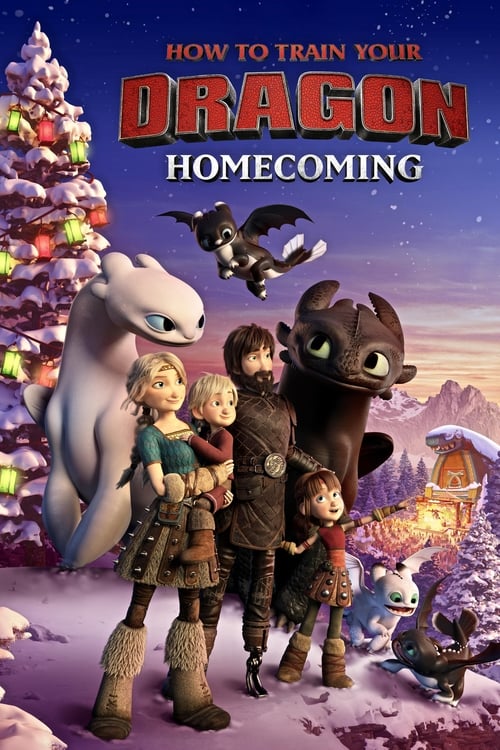
(2019)This animated holiday short revisits Hiccup, Astrid, and their family years after dragons and humans began living apart. As Snoggletog approaches, their children misunderstand dragons as dangerous monsters, leading the adults to stage a pageant that retells how friendship changed Berk.
This is a warm, family-centered return to the Dragon world with mild peril, a few sharper lines about killing dragons, and some drinking-style holiday humor. The bigger value for Christian families is in talking about fear, memory, and how stories can either deepen prejudice or help tell the truth.
Use the content rating for surface issues and the Christian guidance rating for the conversations the film may open up.
Content Indicators

Reviewed 23 December 2025
Esther handles review quality, clarity, and the practical guidance families need after the credits roll.
How to Train Your Dragon: Homecoming Christian Movie Review (2019)
Guidance: Talk Together
This is a warm, family-centered return to the Dragon world with mild peril, a few sharper lines about killing dragons, and some drinking-style holiday humor. The bigger value for Christian families is in talking about fear, memory, and how stories can either deepen prejudice or help tell the truth.
Why This Guidance Level
This lands in a middle category because the surface content is mild, but the film gives families several worthwhile things to talk through: fear of the unfamiliar, exaggerated violent rhetoric toward enemies, grief and remembrance, and the way stories can either pass down truth or pass down prejudice. It is gentle overall, yet it benefits from active conversation.
Faith & Worldview Perspective
The film values friendship, family loyalty, peacemaking, and teaching children to move past fear and inherited prejudice. Those are meaningful echoes of truth. Its main tension is that comfort and emotional connection are rooted in a fantasy bond with dragons and in keeping loved ones present through tradition, while Christian hope finally rests not in memory or creatures but in God and in the resurrection hope found in Jesus Christ. Parents may want to discuss the difference between honoring memories and placing ultimate hope in Christ.
Truths Reflected
- Fear and ignorance can turn others into enemies until truth and relationship correct the lie.
- Family traditions can help children remember love, sacrifice, and the people who shaped them.
Tensions to Discuss
- The film leans on sentimental remembrance as a source of comfort, which may need contrast with Christian hope in Jesus Christ rather than memory alone.
- A fantasy bond with dragons carries the emotional weight of salvation and reunion, which may be worth discussing so children keep created things in their proper place.
Content & Discernment Markers
Occult & Spiritual Content
- Occult material does not stand out here. The dragons belong to the fantasy adventure setting rather than to spell-casting, spirit contact, or spiritual instruction.
Sexuality & Relationships
- Marriage and family affection are presented warmly through Hiccup and Astrid, with no sexualized material of note.
Identity Themes
- Zephyr builds part of her identity around fear and suspicion, calling dragons “monsters” and assuming sharp teeth, fire, claws, and danger mean they should be rejected. The story pushes back by showing how children can inherit distorted views from old stories. Parents may want to discuss how labels can hide the truth about people made in God’s image.
Violence & Intensity
- Children enthusiastically plan to trap a dragon and say, “We’re going to catch a dragon” and “Knock him cold so he can’t eat us!” The scene is played in a family-adventure tone, but it may invite conversation about fear turning into aggression.
- One child blurts, “Let’s kill the dragons!” and later, “We’re going to kill a dragon!” The lines come from misunderstanding and are corrected by the story, but Christian families may still want to note how quickly fear becomes violent speech.
- An old pageant script uses theatrical warrior language: “Die, you evil beasts with twisted souls! Vikings will forever swim in rivers of your blood!” It is presented as outdated and excessive, which helps undercut it, but the wording is still the sharpest violent content in the short.
- There are mild comic injuries and peril, including fishing mishaps, cries of “Ow!” and a rehearsal moment with “A dragon is coming” and “Help me.” The tone stays light rather than frightening.
Language & Humour
- Language is mild. The notable phrases are fantasy-style insults and exclamations such as “hellions,” “monsters,” and “Curse ye, hellions!” There is also some mocking humor during rehearsal and playful put-downs.
Other Content Notes
- A holiday montage includes “Yak-nog shooters,” followed by “‘Nother round!” and “Make mine a double!” The joke mimics real-world shot and bar language. Even in a fictional setting, Christian parents may want to discuss how entertainment can normalize drinking culture as festive fun.
- Grief and remembrance are central. Characters speak openly about missing Toothless and Stoick, and one line says traditions keep loved ones “in our hearts, even though they’re far away.” This can open a good family conversation about mourning with hope in Jesus Christ.
Notable Moments
- Holiday drinking joke: A festive opening montage includes fictional drink humor that echoes tavern culture.
“‘Nother round! - Make mine a double!”
- Children plan dragon traps: Zephyr’s fear of dragons leads to traps and aggressive talk about stopping one before it can attack.
“We’re going to catch a dragon, Dad! Knock him cold so he can’t eat us!”
- Violent pageant rhetoric: An old script uses harsh anti-dragon language that the adults quickly recognize as unhelpful.
“Die, you evil beasts with twisted souls! Vikings will forever swim in rivers of your blood!”
- Memory and grief: The story pauses to connect holiday traditions with remembering absent loved ones.
“It keeps our loved ones in our hearts, even though they’re far away.”
Discussion Prompts
- Fear and prejudice: Why were the children so ready to believe dragons were only monsters? How can fear make us unfair toward others?
- Biblical guidance: Scripture warns against judging by appearances and calls us to seek truth and show mercy.
- Scripture: John 7:24, James 2:1-4
- Violent words and the heart: What do lines like “Let’s kill the dragons” show about what fear can do inside a person?
- Biblical guidance: Jesus teaches that our words flow from the heart, so angry speech is worth taking seriously before it becomes action.
- Scripture: Luke 6:45, Ephesians 4:29-31
- Remembering loved ones: What is good about remembering people we miss, and how is that different from the hope Christians have in Jesus Christ?
- Biblical guidance: Christians grieve honestly, but not without hope, because our deepest comfort is in the Lord and the resurrection.
- Scripture: 1 Thessalonians 4:13-14, John 11:25
- Stories that shape belief: How did the old pageant script teach fear, and how did the new story help tell the truth?
- Biblical guidance: God cares about truth passed from one generation to the next, so families should tell stories that are honest and life-giving.
- Scripture: Deuteronomy 6:6-7, Philippians 4:8
Common questions about How to Train Your Dragon: Homecoming
- What age is How to Train Your Dragon: Homecoming suitable for?
- How to Train Your Dragon: Homecoming suits children of about 8 and older in most families. That follows its official classification. It is rated PG in Australia, the US, New Zealand, the UK and Canada. Children enthusiastically plan to trap a dragon and say, "We're going to catch a dragon" and "Knock him cold so he can't eat us!"
- Is How to Train Your Dragon: Homecoming okay for a 6-year-old?
- How to Train Your Dragon: Homecoming is generally better suited to children of about 8 and up, so a 6-year-old may find parts of it a stretch. It is rated PG in Australia, the US, New Zealand, the UK and Canada. Children enthusiastically plan to trap a dragon and say, "We're going to catch a dragon" and "Knock him cold so he can't eat us!" Families comfortable watching a little above the classification together may still be fine with it.
Age guidance is derived from this review's content findings and the film's official classifications. It is a starting point for your own judgement, not a rule.
Parent comments
Leave a comment on this review
Share a short note on How to Train Your Dragon: Homecoming, or help other parents with discernment.
Submit will ask you to sign in first.
Weekend family picks
Get the short family movie list before the weekend
Example newsletter: 3 movies to watch this weekend with your family, plus one question to ask after the credits.
Sample: 3 movies to watch this weekend with your family
One cinema pick, one streaming pick, one conversation-starter pick.
Related Articles
A few bigger-picture reads for parents who want more context than a single review page can hold.

How To Talk With Kids About Magic, Fate, And Spiritual Themes In Movies
Many family movies use magic, destiny, spirits, or cosmic balance to drive the story. This article helps Christian parents respond without overreacting, while still drawing clear lines back to biblical truth.
Read article
Animal Farm And Talking With Kids About Power, Truth, And Sin
Animal Farm can help older children see how slogans, fear, and corrupted authority distort truth, but parents should frame the story with a biblical view of sin.
Read article
How To Talk After A Scary Scene Without Overreacting
Children do not always process fear while the movie is still playing. This guide helps parents respond calmly after intense or unsettling scenes and turn the moment into wise reassurance instead of panic.
Read articleMore Reviews


Official regional ratings
Local ratings remain available for reference, but LionLens separates those classifications from Christian family discernment.
Review Method
How this review was prepared
LionLens reviews are written with subtitle and dialogue evidence where available, official regional ratings data, source research, and final human editorial review before publication.