
Human Reviewed
Parent feedback
73 families found this review helpful
Christian Movie Review
How to Train Your Dragon Christian Movie Review
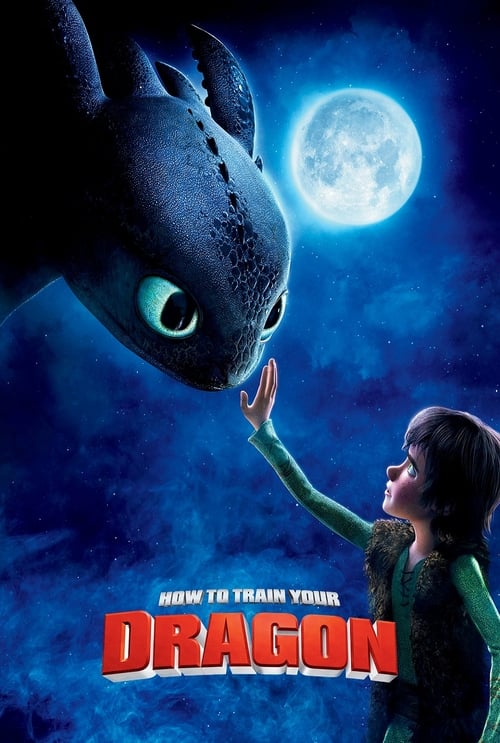
(2010)A young Viking who does not fit his tribe’s expectations discovers a dragon he cannot bring himself to kill, and the two form an unlikely friendship. The story blends adventure, humor, family tension, and a hopeful message about changing old rivalries.
This is a lively family adventure with moderate fantasy peril, a few rude insults, and a strong emphasis on compassion over violence. Christian parents may also want to talk through the film’s view of authority, courage, and how truth and mercy reshape a community.
Use the content rating to gauge the fantasy peril, and the Christian guidance rating to think through the film’s message about power, family, and compassion.
Content Indicators

Reviewed 24 May 2026
Micah covers action, fantasy, and franchise releases, with close attention to violence, spiritual themes, and moral framing.
How to Train Your Dragon Christian Movie Review (2010)
Guidance: Talk Together
This is a lively family adventure with moderate fantasy peril, a few rude insults, and a strong emphasis on compassion over violence. Christian parents may also want to talk through the film’s view of authority, courage, and how truth and mercy reshape a community.
Why This Guidance Level
This film is easy to enjoy as a family adventure, but it is not free of concerns. The fantasy violence and scary dragon scenes are noticeable, and the story’s moral weight is bigger than its surface content because it repeatedly argues for compassion over killing, for a child’s independence from a parent’s expectations, and for a community to rethink its traditions. That makes it a good candidate for parent-child conversation rather than a simple yes-or-no reaction.
Faith & Worldview Perspective
The movie presents a warm, hopeful worldview where empathy can break cycles of fear and where family love can grow through repentance and understanding. It celebrates courage, creativity, and mercy, but it also places human ingenuity and personal choice at the center of change, with little sense of dependence on God. Parents may want to discuss how real peace is deeper than ending a feud and how Christian hope in Christ gives a stronger foundation for reconciliation than self-made heroism alone.
Truths Reflected
- Compassion can be stronger than violence.
- A child’s value is not determined by matching a parent’s expectations.
Tensions to Discuss
- The film treats human cleverness and personal resolve as the main path to transformation, with no reference to God’s authority or grace.
- It normalizes a warrior culture and frames peace mainly as a human achievement rather than something rooted in truth, repentance, and the hope found in Christ.
Content & Discernment Markers
Occult & Spiritual Content
- The film uses Viking-flavored references like Odin and Thor as part of its setting, but occult material does not stand out as a major concern. Parents may want to mention that these are cultural references rather than a biblical view of God.
Sexuality & Relationships
- Romance stays light, with a crush, a bit of awkward flirting, and brief kissing. The focus remains on friendship, family, and community rather than sexual content.
Identity Themes
- Hiccup is the odd one out in a Viking culture that expects toughness and dragon-slaying, and the film celebrates his different strengths. The line of tension with Stoick matters because the story asks whether a child must follow a parent’s path to be valued; parents may want to discuss identity, calling, and honoring authority.
Violence & Intensity
- Dragon attacks, burning homes, and chaotic creature scenes drive the adventure, and the New Zealand advisory rightly notes frightening fantasy scenes and violence. The action is not graphic, but the queen dragon and the repeated danger to characters give the film enough intensity that younger children may need reassurance.
Language & Humour
- The humor includes rude teasing and put-downs such as “coward,” “useless,” and “stupid,” plus one use of “hell” and some Viking-style bluster. Parents may want to note that the speech is more snappy and insulting than truly coarse.
Other Content Notes
- The story centers on a holiday gathering where the dragons suddenly disappear, leading to disappointment, confusion, and then a new family tradition. That emotional thread gives the film a warm tone, but it also highlights grief, change, and the need to talk through disappointment with children.
Notable Moments
- Dragon disappearance: The holiday celebration turns tense when the dragons suddenly fly off, leaving the characters confused and worried. This moment matters because it shifts the story from comedy into grief and uncertainty.
“What if they never come back?!”
- Father-son tension: Hiccup admits he does not know where the dragons went, and Stoick responds with a mix of disappointment and care. The scene is important for families because it shows both misunderstanding and a desire for reconciliation.
“Dad… I don’t know.”
- Celebrate them: Stoick encourages the family to keep going even while they miss the dragons, and he frames the holiday around remembrance rather than despair. Parents may want to discuss how grief and gratitude can coexist.
“We celebrate them.”
- New tail gift: Hiccup builds Toothless a new tail so he can fly more freely, showing care and sacrifice in their friendship. The moment highlights service and trust, while also raising a good conversation about using gifts for another’s good.
“You built him a new tail?”
Discussion Prompts
- Compassion over violence: Why do you think Hiccup chooses to understand Toothless instead of destroying him?
- Biblical guidance: Scripture often shows that mercy and peacemaking are stronger than pride or revenge, and Jesus Christ calls His people to a different kind of courage.
- Scripture: Matthew 5:9, Romans 12:17-21
- Family expectations: How should a child honor a parent while still growing into the gifts God has given them?
- Biblical guidance: The Bible calls children to honor father and mother, but it also shows that identity and calling come from God, not from human pressure alone.
- Scripture: Ephesians 6:1-3, Psalm 139:13-14
- Grief and change: What helps the characters when they are disappointed and miss the dragons?
- Biblical guidance: Christian hope in Christ gives families a steadier way to face loss, because grief does not have the last word.
- Scripture: 1 Thessalonians 4:13-14, Psalm 34:18
Common questions about How to Train Your Dragon
- What age is How to Train Your Dragon suitable for?
- How to Train Your Dragon suits children of about 8 and older in most families. That follows its official classification. It is rated PG in Australia, the US, New Zealand, the UK and Canada. Dragon attacks, burning homes, and chaotic creature scenes drive the adventure, and the New Zealand advisory rightly notes frightening fantasy scenes and violence.
- Is How to Train Your Dragon okay for a 6-year-old?
- How to Train Your Dragon is generally better suited to children of about 8 and up, so a 6-year-old may find parts of it a stretch. It is rated PG in Australia, the US, New Zealand, the UK and Canada. Dragon attacks, burning homes, and chaotic creature scenes drive the adventure, and the New Zealand advisory rightly notes frightening fantasy scenes and violence. Families comfortable watching a little above the classification together may still be fine with it.
Age guidance is derived from this review's content findings and the film's official classifications. It is a starting point for your own judgement, not a rule.
Parent comments
Leave a comment on this review
Share a short note on How to Train Your Dragon, or help other parents with discernment.
Submit will ask you to sign in first.
Weekend family picks
Get the short family movie list before the weekend
Example newsletter: 3 movies to watch this weekend with your family, plus one question to ask after the credits.
Sample: 3 movies to watch this weekend with your family
One cinema pick, one streaming pick, one conversation-starter pick.
Related Articles
A few bigger-picture reads for parents who want more context than a single review page can hold.

Animal Farm And Talking With Kids About Power, Truth, And Sin
Animal Farm can help older children see how slogans, fear, and corrupted authority distort truth, but parents should frame the story with a biblical view of sin.
Read article
5 Things To Notice In Kids Movies Before The Message Lands
A child can absorb a movie long before they can explain it. These five checkpoints help Christian parents notice what a film is training the heart to love, fear, excuse, or trust.
Read article
How To Talk With Kids About Magic, Fate, And Spiritual Themes In Movies
Many family movies use magic, destiny, spirits, or cosmic balance to drive the story. This article helps Christian parents respond without overreacting, while still drawing clear lines back to biblical truth.
Read articleMore Reviews




Official regional ratings
Local ratings remain available for reference, but LionLens separates those classifications from Christian family discernment.
Review Method
How this review was prepared
LionLens reviews are written with subtitle and dialogue evidence where available, official regional ratings data, source research, and final human editorial review before publication.