
Human Reviewed
Parent feedback
72 families found this review helpful
Christian Movie Review
How to Train Your Dragon 2 Christian Movie Review
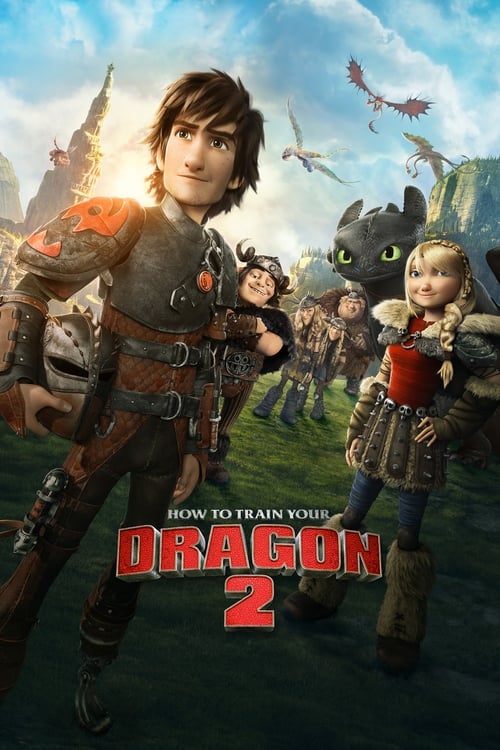
(2014)Five years after Berk and its dragons have learned to live together, Hiccup is pulled toward leadership, family history, and a wider world full of danger. The story mixes dragon-racing fun, emotional family reunions, and a larger conflict with a warlord building a dragon army.
This is a lively family adventure with strong themes of courage, loyalty, and responsibility, but it also includes sustained fantasy peril and a major battle threat. Christian families may want to talk through its ideas about identity, leadership, and the way the film frames trust and belonging.
Use the content rating to gauge the action and the Christian guidance rating to think through the film’s messages about identity, authority, and hope.
Content Indicators

Reviewed 27 May 2026
Rachel focuses on animated films, family viewing habits, and helping parents spot worldview themes quickly.
How to Train Your Dragon 2 Christian Movie Review (2014)
Guidance: Talk Together
This is a lively family adventure with strong themes of courage, loyalty, and responsibility, but it also includes sustained fantasy peril and a major battle threat. Christian families may want to talk through its ideas about identity, leadership, and the way the film frames trust and belonging.
Why This Guidance Level
This sequel is still squarely in family-adventure territory, but the action is intense enough to matter for younger viewers, and the emotional stakes are higher than in a light animated romp. The bigger reason for discernment is the film’s message: it strongly centers identity, leadership, and trust, while also presenting a world where human ingenuity and loyalty carry the day. That gives families good material for conversation, especially where the story’s view of belonging and hope differs from a Christian understanding rooted in God’s design and in Christ.
Faith & Worldview Perspective
The film celebrates courage, loyalty, family bonds, and responsible leadership, and it gives a positive picture of cooperation over domination. It also leans hard into self-discovery and personal destiny, with Hiccup asking, “so what does that make me?” and being told that what he is searching for is “in here,” which can invite a discussion about whether identity is self-made or received from God. Parents may want to talk with children about how the movie values trust and sacrifice while still leaving Christian hope in Christ outside the story’s frame.
Truths Reflected
- Family love and sacrificial leadership matter
- Peace and teamwork are better than domination
Tensions to Discuss
- Identity is treated as something found within the self rather than received from God
- The story’s hope rests on human courage and strategy rather than on the deeper hope found in Jesus Christ
Content & Discernment Markers
Occult & Spiritual Content
- Occult material does not stand out here. The dragons are treated as creatures of the world rather than as magical guides or spiritual teachers, though the film does use a broad fantasy framework that keeps the action firmly outside ordinary reality.
Sexuality & Relationships
- Romance stays mild and family-friendly, with Hiccup and Astrid kissing and hugging, and a few playful crush jokes from Ruffnut toward Eret, including lines like “me likey” and “take me.” Parents may want to discuss how the film uses attraction for humor and how to handle teasing with dignity.
Identity Themes
- Hiccup’s conversation with Astrid is one of the film’s key moments: he says, “I’m not like you… I’m still looking… so what does that make me?” The scene gives the movie much of its emotional weight, but it also frames identity as something a person discovers inside himself. Parents may want to discuss how Christian identity is grounded in being known by God, not just in self-searching.
Violence & Intensity
- Dragon racing turns into crashes and near-misses, and later scenes bring larger-scale danger with dragon trappers, aerial chases, and a dragon army under Drago’s control. The most frightening material comes when Toothless is forced into combat and when the story moves into a major battle with real loss. Parents may want to prepare children for the emotional weight of the conflict.
Language & Humour
- Language is fairly light but includes sharp insults and teasing such as “coward,” “thief,” “moron,” and “useless,” along with comic banter and mockery between the Vikings. The tone is more rude than profane, but families sensitive to disrespectful speech may still want to notice it.
Other Content Notes
- The film’s strongest emotional material comes from family and leadership: Stoick tells Hiccup, “A chief’s first duty is to his people,” and the story keeps returning to duty, sacrifice, and what it means to lead well. Parents may want to discuss how authority can be used for service rather than pride.
Notable Moments
- Chief announcement: Stoick surprises Hiccup by naming him chief, turning a playful father-son exchange into a serious leadership moment and setting up the film’s central question about responsibility.
“Stoick: “I’ve decided… To make you chief!""
- Identity conversation: Hiccup admits he is still searching for who he is, and Astrid answers that what he is looking for is already inside him. The scene is emotionally important and also shapes the film’s view of identity.
“Hiccup: “I’m not like you… I’m still looking… so what does that make me?""
- Dragon army threat: The threat of Drago’s dragon army raises the stakes from adventure to war, with characters warning that he is coming for them all and that more dragons are being gathered for battle.
“Eret: “Drago is coming for them all!""
- Racing chaos: The opening dragon race is energetic and funny, but it also includes fast crashes, rough competition, and comic insults that set the tone for the film’s action-heavy style.
“Hiccup: “Whoa! That really came out of nowhere.""
Discussion Prompts
- Identity and belonging: What do you think Hiccup means when he says he is still looking for who he is?
- Biblical guidance: Scripture teaches that our identity is not self-invented; we belong to God and are known in Christ. That gives a steadier answer than personal searching alone.
- Scripture: Ephesians 2:10, 1 Peter 2:9, Colossians 3:3
- Leadership and service: Why does Stoick say a chief’s first duty is to his people, and what does servant leadership look like in real life?
- Biblical guidance: The Bible presents leadership as service, humility, and care for others rather than self-importance.
- Scripture: Mark 10:42-45, Philippians 2:3-4, 1 Peter 5:2-3
- Fear, courage, and hope: When the story turns dark and dangerous, what helps the characters keep going, and where do Christians place their hope?
- Biblical guidance: Christian hope is not just bravery or teamwork; it rests in God’s faithfulness and in Jesus Christ, even when circumstances are frightening.
- Scripture: Romans 15:13, Psalm 46:1-2, John 16:33
Common questions about How to Train Your Dragon 2
- What age is How to Train Your Dragon 2 suitable for?
- How to Train Your Dragon 2 suits children of about 9 and older in most families. The main reason is violence and peril. Dragon racing turns into crashes and near-misses, and later scenes bring larger-scale danger with dragon trappers, aerial chases, and a dragon army under Drago’s control.
- Is How to Train Your Dragon 2 okay for a 7-year-old?
- How to Train Your Dragon 2 is generally better suited to children of about 9 and up, so a 7-year-old may find parts of it a stretch. Dragon racing turns into crashes and near-misses, and later scenes bring larger-scale danger with dragon trappers, aerial chases, and a dragon army under Drago’s control. Families whose children handle violence and peril well may still be comfortable watching together.
Age guidance is derived from this review's content findings and the film's official classifications. It is a starting point for your own judgement, not a rule.
Parent comments
Leave a comment on this review
Share a short note on How to Train Your Dragon 2, or help other parents with discernment.
Submit will ask you to sign in first.
Weekend family picks
Get the short family movie list before the weekend
Example newsletter: 3 movies to watch this weekend with your family, plus one question to ask after the credits.
Sample: 3 movies to watch this weekend with your family
One cinema pick, one streaming pick, one conversation-starter pick.
Related Articles
A few bigger-picture reads for parents who want more context than a single review page can hold.

Animal Farm And Talking With Kids About Power, Truth, And Sin
Animal Farm can help older children see how slogans, fear, and corrupted authority distort truth, but parents should frame the story with a biblical view of sin.
Read article
5 Things To Notice In Kids Movies Before The Message Lands
A child can absorb a movie long before they can explain it. These five checkpoints help Christian parents notice what a film is training the heart to love, fear, excuse, or trust.
Read article
Why A Clean Movie Can Still Need A Christian Conversation
Sometimes the hardest films to evaluate are not the obviously rough ones, but the polished and emotionally appealing movies that carry deeper assumptions quietly. This article explains why.
Read articleMore Reviews




Official regional ratings
Local ratings remain available for reference, but LionLens separates those classifications from Christian family discernment.
Review Method
How this review was prepared
LionLens reviews are written with subtitle and dialogue evidence where available, official regional ratings data, source research, and final human editorial review before publication.