
Human Reviewed
Parent feedback
32 families found this review helpful
Christian Movie Review
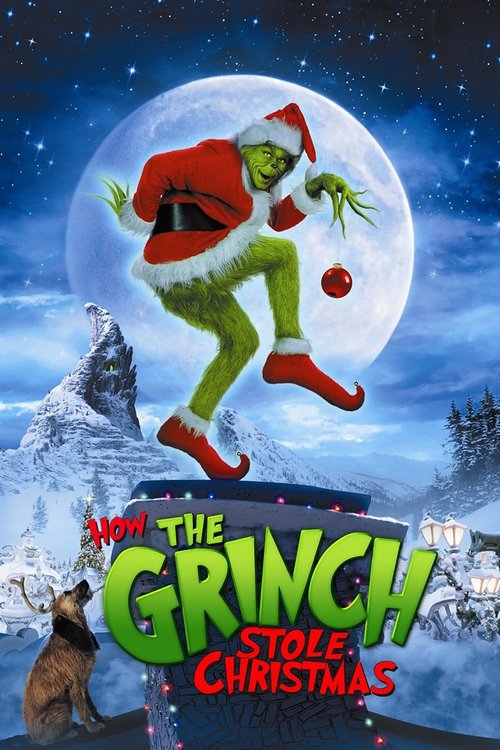
How the Grinch Stole Christmas Christian Movie Review
(2000)This live-action holiday comedy follows the Grinch, a bitter recluse who tries to ruin Christmas for the cheerful town of Whoville. Cindy Lou Who’s kindness and the story’s focus on generosity, family, and belonging gradually reshape the film’s emotional center.
The movie has a playful holiday spirit, but it also includes scary antics, rude humor, and some crude language. Christian families may want to talk through its message about Christmas, kindness, and the difference between outward celebration and a changed heart.
Use the content rating for the rougher humor and scary moments, and the Christian guidance for the film’s message about Christmas, bitterness, and heart change.
Content Indicators

Reviewed 12 May 2026
Esther handles review quality, clarity, and the practical guidance families need after the credits roll.
How the Grinch Stole Christmas Christian Movie Review (2000)
Guidance: Talk Together
The movie has a playful holiday spirit, but it also includes scary antics, rude humor, and some crude language. Christian families may want to talk through its message about Christmas, kindness, and the difference between outward celebration and a changed heart.
Why This Guidance Level
This is a broadly family-friendly holiday comedy, but it is not a soft one. The Grinch’s threatening behavior, the scary chase-and-crash energy, the crude jokes, and a few sharper lines of language make it worth a parent’s attention. At the same time, the film’s core message about generosity, kindness, and a changed heart is positive enough that many families will find it useful with some conversation.
Faith & Worldview Perspective
The film celebrates generosity, community, and the idea that kindness can reach a hardened heart, which fits well with many Christian values. Its main limitation is that Christmas is framed mostly as a warm social experience rather than a celebration centered on Jesus Christ, so parents may want to connect the story’s goodwill to the deeper hope of the gospel.
Truths Reflected
- Kindness can soften bitterness and open the door to reconciliation.
- Generosity and family love matter more than consumer excess.
Tensions to Discuss
- Christmas is treated mainly as sentiment and togetherness rather than as a celebration of Christ’s birth.
- The film leans on mockery and revenge-style humor even while condemning cruelty.
Content & Discernment Markers
Occult & Spiritual Content
- Occult material does not stand out here. The film uses fantasy exaggeration and holiday spectacle rather than spiritual practice or supernatural instruction.
Sexuality & Relationships
- Sexual content is light and mostly comic. The film includes a few crude visual jokes and a brief gag involving a woman’s cleavage, but romance is not a major focus.
Identity Themes
- The story spends real time on belonging and outsider identity. Cindy Lou wonders, “Did Christmas change / Or just / me?” while the Grinch is treated as the town outcast, which gives parents a chance to discuss how worth is not found in popularity or public image.
Violence & Intensity
- The film keeps its peril cartoonish, but it is lively and sometimes intense. Children climb a dangerous mountain, the Grinch menaces Whoville, and there are crashes, falls, explosions, and frantic chase scenes that can feel a little scary for younger viewers.
Language & Humour
- The humor includes rude insults and a few sharper phrases parents will notice, including “sickly-sweet, nog-sucking cheer mongers,” “Whovenile delinquents,” “Hell,” “b******’,” and the threat to “hunt them down and gut them like a fish.”
Other Content Notes
- The film’s strongest emotional thread is its critique of Christmas consumerism. Cindy questions whether the shopping frenzy is too much, and the story contrasts all the buying with the deeper value of love, generosity, and togetherness.
Notable Moments
- Whoville shopping frenzy: The opening Christmas rush shows a town wrapped up in buying, decorating, and status display, while Cindy quietly questions whether the celebration has become too much.
““Doesn’t this seem like a bit much?””
- Grinch’s mountain menace: The children fear the Grinch as they climb toward his cave, and the film builds him up as a comic but intimidating figure living above town.
““They say he lives up here in a big cave.””
- Cindy’s rescue: Cindy is startled and then saved by the Grinch, which complicates her view of him and opens the story toward mercy rather than simple fear.
““Thanks for saving me.””
- Heart change theme: The narration explains the Grinch’s bitterness as a heart problem, setting up the film’s central idea that love can change what cruelty has hardened.
““his heart was two sizes too small”“
Discussion Prompts
- Christmas and Christ: What does this movie say Christmas is about, and how is that different from the real meaning of Christmas for Christians?
- Biblical guidance: The film values generosity and togetherness, but Christians remember that Christmas points to Jesus Christ coming into the world to save sinners and give real hope.
- Scripture: Luke 2:10-11, John 1:14
- Bitterness and mercy: Why do you think the Grinch became so bitter, and what helps a person move from bitterness toward mercy?
- Biblical guidance: Scripture calls believers to put away bitterness and to forgive as the Lord forgave us.
- Scripture: Ephesians 4:31-32, Colossians 3:12-14
- Kindness to outsiders: How does Cindy treat the Grinch differently from everyone else, and what does that teach us about loving difficult people?
- Biblical guidance: Jesus teaches his followers to love their neighbors and even their enemies, showing kindness without returning evil for evil.
- Scripture: Luke 6:27-36, Romans 12:17-21
- Consumerism and contentment: What parts of the movie show people getting caught up in shopping or status, and what does the Bible say about contentment?
- Biblical guidance: The film critiques excess, and Christians can connect that to a life of gratitude rather than greed.
- Scripture: 1 Timothy 6:6-10, Hebrews 13:5
Common questions about How the Grinch Stole Christmas
- What age is How the Grinch Stole Christmas suitable for?
- How the Grinch Stole Christmas suits children of about 8 and older in most families. That follows its official classification. It is rated PG in Australia, the US, New Zealand, the UK and Canada. The humor includes rude insults and a few sharper phrases parents will notice, including “sickly-sweet, nog-sucking cheer mongers,” “Whovenile delinquents,” “Hell,” “b******’,” and the threat to “hunt them down and gut them like a fish.”
- Is How the Grinch Stole Christmas okay for a 6-year-old?
- How the Grinch Stole Christmas is generally better suited to children of about 8 and up, so a 6-year-old may find parts of it a stretch. It is rated PG in Australia, the US, New Zealand, the UK and Canada. The humor includes rude insults and a few sharper phrases parents will notice, including “sickly-sweet, nog-sucking cheer mongers,” “Whovenile delinquents,” “Hell,” “b******’,” and the threat to “hunt them down and gut them like a fish.” Families comfortable watching a little above the classification together may still be fine with it.
Age guidance is derived from this review's content findings and the film's official classifications. It is a starting point for your own judgement, not a rule.
Parent comments
Leave a comment on this review
Share a short note on How the Grinch Stole Christmas, or help other parents with discernment.
Submit will ask you to sign in first.
Weekend family picks
Get the short family movie list before the weekend
Example newsletter: 3 movies to watch this weekend with your family, plus one question to ask after the credits.
Sample: 3 movies to watch this weekend with your family
One cinema pick, one streaming pick, one conversation-starter pick.
Related Articles
A few bigger-picture reads for parents who want more context than a single review page can hold.

Animal Farm And Talking With Kids About Power, Truth, And Sin
Animal Farm can help older children see how slogans, fear, and corrupted authority distort truth, but parents should frame the story with a biblical view of sin.
Read article
5 Things To Notice In Kids Movies Before The Message Lands
A child can absorb a movie long before they can explain it. These five checkpoints help Christian parents notice what a film is training the heart to love, fear, excuse, or trust.
Read article
How To Talk With Kids About Magic, Fate, And Spiritual Themes In Movies
Many family movies use magic, destiny, spirits, or cosmic balance to drive the story. This article helps Christian parents respond without overreacting, while still drawing clear lines back to biblical truth.
Read articleMore Reviews



Official regional ratings
Local ratings remain available for reference, but LionLens separates those classifications from Christian family discernment.
Review Method
How this review was prepared
LionLens reviews are written with subtitle and dialogue evidence where available, official regional ratings data, source research, and final human editorial review before publication.