
Human Reviewed
Parent feedback
52 families found this review helpful
Christian Movie Review
Hop Christian Movie Review
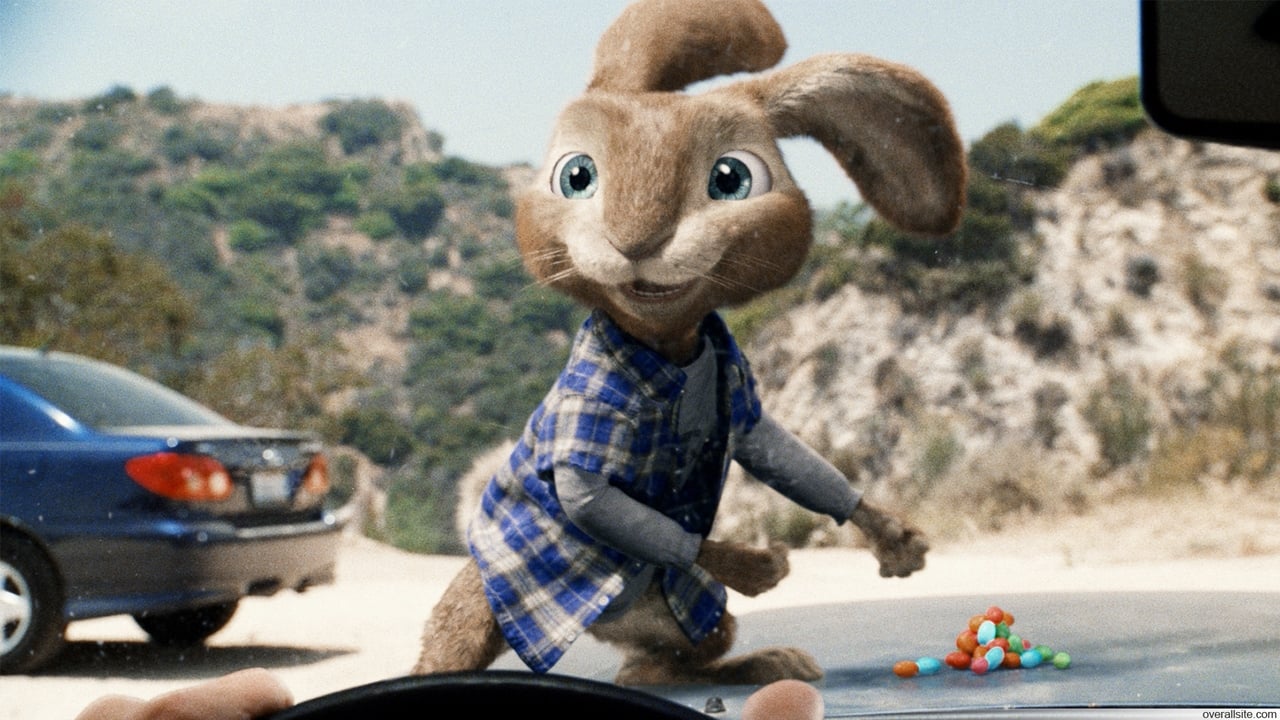
(2011)Hop is a live-action and animated Easter comedy about E.B., the next Easter Bunny, who wants to become a drummer instead of taking over the family role. The story follows his clash with tradition, along with Fred, a young man under pressure to grow up and find his place.
This is a light family comedy with mild slapstick peril, rude jokes, and a few suggestive lines. Its bigger issue for Christian families is the message about self-fulfillment and family duty, which is worth talking through.
Use the content rating to gauge the mild surface material, and the Christian guidance rating to weigh the film’s message about identity, calling, and responsibility.
Content Indicators

Reviewed 1 June 2026
Rachel focuses on animated films, family viewing habits, and helping parents spot worldview themes quickly.
Hop Christian Movie Review (2011)
Guidance: Talk Together
This is a light family comedy with mild slapstick peril, rude jokes, and a few suggestive lines. Its bigger issue for Christian families is the message about self-fulfillment and family duty, which is worth talking through.
Why This Guidance Level
Hop is a broadly light family comedy, but it has enough rude language, slapstick danger, and suggestive humor to merit a little parental attention. The larger reason for discussion is the film’s message: it treats personal dreams and self-definition as the main path to fulfillment, while family duty and authority are often framed as obstacles. That is not extreme, but it is meaningful enough that Christian families may want to talk it through.
Faith & Worldview Perspective
The movie affirms family care, perseverance, and the value of growing up, but it also leans hard into the idea that a person should follow inner desire above inherited responsibility. That creates a gentle but real tension with a Christian view of calling, which places identity under God’s purposes rather than self-invention. Parents may want to discuss how Jesus Christ shapes our sense of purpose and maturity.
Truths Reflected
- Family relationships matter, even when they are messy.
- Hard work and perseverance are good virtues.
Tensions to Discuss
- The film treats personal fulfillment as the highest goal, rather than faithfulness to God and others.
- Authority and family expectations are often presented as burdens instead of gifts that can serve wise formation.
Content & Discernment Markers
Occult & Spiritual Content
- Occult material does not stand out here. The Easter Bunny world uses magical fantasy elements like the “Egg of Destiny” and magical powers, but they function as story decoration rather than occult practice or spiritual instruction.
Sexuality & Relationships
- There is light flirtation and a few adult-style jokes. E.B. flirts with Sam, sniffs her hair when she hugs him, calls himself a “sexy bunny,” and one conversation lands as an open-relationship joke. Parents may want to discuss why that kind of humor can feel out of place for younger viewers.
Identity Themes
- Identity is one of the film’s main themes. E.B. resists becoming the Easter Bunny and says, “I want to drum in a band. I want to see the world,” while Fred is told he needs to “get a job and… move out.” The movie frames both characters as trying to decide who they are apart from family pressure, so parents may want to discuss identity in light of God’s calling.
Violence & Intensity
- The violence is comic and brief rather than intense. Fred thinks he may have run over E.B. and talks about ending his suffering, and later there is a chase where bunny agents use sedative darts and characters are slapped or threatened, but the film keeps the danger playful. Parents may want to mention that the peril is meant as comedy, not realism.
Language & Humour
- The dialogue includes repeated mild insults and family put-downs such as “idiot,” “stupid,” “freak,” “lazy,” and “crass.” The tone is more rude than profane, but the sarcasm and disrespect are noticeable in the family arguments.
Other Content Notes
- The film repeatedly contrasts tradition with personal ambition, especially in the Easter Bunny storyline. Lines like “Four thousand years of tradition doesn’t end just because one selfish bunny doesn’t feel like doing it” and “The entire world is counting on us” give the movie its central conflict.
Notable Moments
- E.B. rejects tradition: E.B. tells his father that he does not want to be defined only by the Easter Bunny role and says he wants to drum and see the world. This is the film’s clearest statement about personal calling versus family expectation.
“I want to drum in a band. I want to see the world.”
- Fred family pressure: Fred’s parents confront him about work, adulthood, and moving out, turning the dinner table into a scene about responsibility and disappointment. It is funny, but the tone is sharp enough that parents may want to talk about honoring parents even in disagreement.
“You need to get a job and you need to move out.”
- Comic peril: A scene plays with the idea that Fred may have seriously hurt E.B., then quickly turns into a joke when E.B. springs back to life. The moment is mild, but it does use false alarm and chase humor to drive the comedy.
“I did it. Hollywood. Right. First order of business, find a place to stay.”
Discussion Prompts
- Calling and responsibility: What is the difference between following a dream and avoiding responsibility?
- Biblical guidance: The Bible treats work and calling as gifts from God, not just personal preference. Talk about how faithfulness matters even when a task is ordinary.
- Scripture: Colossians 3:23, Proverbs 16:3
- Family authority: When do family expectations help us grow, and when do they become unhealthy pressure?
- Biblical guidance: Scripture calls children to honor parents while also recognizing that every person is accountable to God. That balance can shape a healthier view of family conflict.
- Scripture: Ephesians 6:1-3, Exodus 20:12
- Identity in Christ: What does the movie say makes someone valuable, and how is that different from finding identity in Jesus Christ?
- Biblical guidance: The gospel gives a deeper identity than talent, status, or self-expression. Christians are called to belong to Christ first.
- Scripture: 2 Corinthians 5:17, Galatians 2:20
Common questions about Hop
- What age is Hop suitable for?
- Hop suits children of about 8 and older in most families. That follows its official classification. It is rated PG in Australia, the US and New Zealand, and U in the UK. The dialogue includes repeated mild insults and family put-downs such as "idiot," "stupid," "freak," "lazy," and "crass."
- Is Hop okay for a 6-year-old?
- Hop is generally better suited to children of about 8 and up, so a 6-year-old may find parts of it a stretch. It is rated PG in Australia, the US and New Zealand, and U in the UK. The dialogue includes repeated mild insults and family put-downs such as "idiot," "stupid," "freak," "lazy," and "crass." Families comfortable watching a little above the classification together may still be fine with it.
Age guidance is derived from this review's content findings and the film's official classifications. It is a starting point for your own judgement, not a rule.
Parent comments
Leave a comment on this review
Share a short note on Hop, or help other parents with discernment.
Submit will ask you to sign in first.
Weekend family picks
Get the short family movie list before the weekend
Example newsletter: 3 movies to watch this weekend with your family, plus one question to ask after the credits.
Sample: 3 movies to watch this weekend with your family
One cinema pick, one streaming pick, one conversation-starter pick.
Related Articles
A few bigger-picture reads for parents who want more context than a single review page can hold.

Animal Farm And Talking With Kids About Power, Truth, And Sin
Animal Farm can help older children see how slogans, fear, and corrupted authority distort truth, but parents should frame the story with a biblical view of sin.
Read article
5 Things To Notice In Kids Movies Before The Message Lands
A child can absorb a movie long before they can explain it. These five checkpoints help Christian parents notice what a film is training the heart to love, fear, excuse, or trust.
Read article
Why A Clean Movie Can Still Need A Christian Conversation
Sometimes the hardest films to evaluate are not the obviously rough ones, but the polished and emotionally appealing movies that carry deeper assumptions quietly. This article explains why.
Read articleMore Reviews



Official regional ratings
Local ratings remain available for reference, but LionLens separates those classifications from Christian family discernment.
Review Method
How this review was prepared
LionLens reviews are written with subtitle and dialogue evidence where available, official regional ratings data, source research, and final human editorial review before publication.