Human Reviewed
Parent feedback
40 families found this review helpful
Christian Movie Review
Happy Feet Christian Movie Review
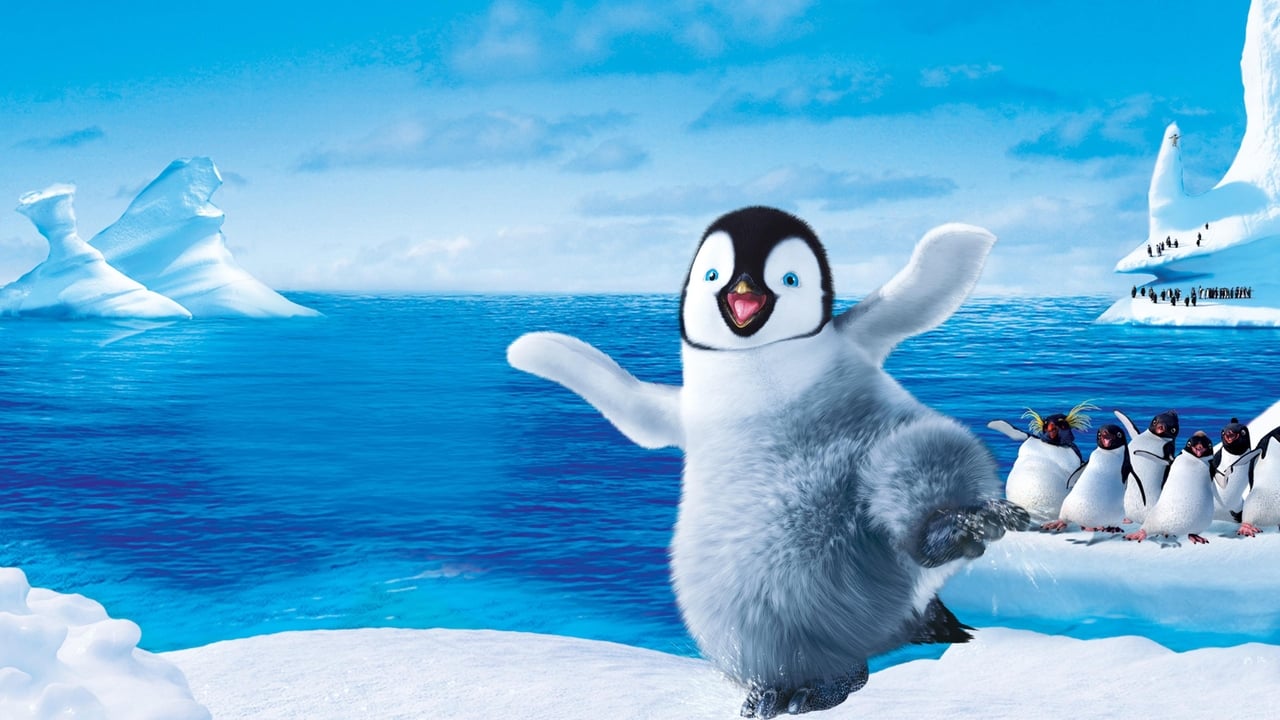
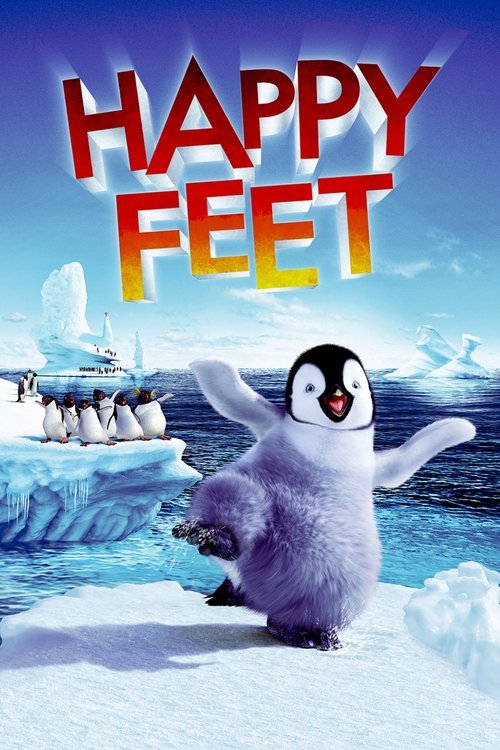
(2006)Happy Feet is an animated penguin story about Mumble, a young emperor penguin who cannot sing like everyone else but can tap dance. The film follows his struggle to be accepted, his family’s imperfect support, and his efforts to help his colony survive a harsh environment.
This is a warm, energetic family film with strong themes of difference, courage, and belonging. Parents may want to note the suggestive romantic framing, a few mild insults, and some scary animal peril.
Use the content rating to gauge the light-to-moderate surface concerns, and the Christian guidance rating to weigh the film’s messages about identity, romance, and acceptance.
Content Indicators

Reviewed 18 May 2026
Esther handles review quality, clarity, and the practical guidance families need after the credits roll.
Happy Feet Christian Movie Review (2006)
Guidance: Talk Together
This is a warm, energetic family film with strong themes of difference, courage, and belonging. Parents may want to note the suggestive romantic framing, a few mild insults, and some scary animal peril.
Why This Guidance Level
Happy Feet is a bright, well-meaning animated film, but it carries enough suggestive romantic material, mild language, and scary peril to merit a conversation with children. The bigger issue for Christian families is not crude content but the film’s message: it ties identity to inner self-expression and treats mate-finding as a defining life goal. That makes it a good candidate for guided viewing rather than a casual pass-through.
Faith & Worldview Perspective
The film celebrates difference, family affection, and courage, and it gives Mumble a clear arc of perseverance and service to his community. Its main tension for Christian families is that it locates identity in personal uniqueness and inner feeling, while the story’s romantic framework normalizes a mate-centered view of fulfillment. Parents may want to discuss how a person’s worth is found in God’s design and, for Christians, in identity in Christ rather than in performance or social approval.
Truths Reflected
- People should be treated with patience and dignity when they are different.
- Family love and courage can help someone endure rejection and grow.
Tensions to Discuss
- The film leans on self-definition and inner voice language in a way that can sit uneasily with identity rooted in God’s truth.
- It presents romantic pairing as a central purpose, which can crowd out a fuller biblical view of calling, love, and human worth.
Content & Discernment Markers
Occult & Spiritual Content
- Occult material does not stand out here. The film uses a playful, quasi-religious colony language around the “Great ’Guin” and a “Heartsong,” but it functions more as cultural worldbuilding than as actual occult practice. Parents may want to discuss the difference between made-up ritual language and real spiritual truth.
Sexuality & Relationships
- The opening montage and several songs frame penguins as seeking mates through romantic and suggestive lyrics, including “You don’t have to be beautiful / To turn me on,” “I just need your body, baby,” and “Tell me that you love me.” The material is presented comedically, but it still gives the film a noticeably flirtatious tone that many parents will want to talk through.
Identity Themes
- Mumble is repeatedly told he is not “penguin” enough because he cannot sing, and the story turns on whether his difference will be accepted. Lines like “It’s the voice you hear inside… who you truly are” and “A penguin without a Heartsong is hardly a penguin at all” make identity and self-expression central themes. Parents may want to discuss identity in Christ rather than identity built on talent or approval.
Violence & Intensity
- The film includes several tense peril scenes: leopard seals attack, killer whales pursue the penguins, a fishing boat threatens the colony, and Mumble is trapped in a zoo in a frightening sequence. The danger is stylized rather than graphic, but it is real enough to matter for younger viewers.
Language & Humour
- Language stays mild, but parents will notice insults and sharp comic put-downs such as “shut up,” “fatty,” “idiot,” and “fool,” along with a few dismissive exchanges like “It’s not funny!” The tone is more teasing than coarse, yet it still adds to the film’s rougher edges.
Other Content Notes
- The film’s strongest emotional thread is the father-son relationship, especially Memphis’s struggle to understand Mumble and his eventual affection for him. The family warmth is genuine, and the story’s concern for the colony’s survival gives the movie a sense of shared responsibility.
Notable Moments
- Mumble’s difference: Mumble proudly says, “I’m happy, Pa,” and taps his feet while Memphis worries that it is not “penguin.” The scene matters because it sets up the film’s core question about whether a child’s difference will be received with patience or shame.
“I’m happy, Pa.”
- Heartsong romance: The opening musical sequence uses pop lyrics about desire and attraction, including “You don’t have to be beautiful / To turn me on.” This moment matters because the film’s mate-finding premise gives the story a suggestive tone from the start.
“You don’t have to be beautiful / To turn me on”
- Colony danger: The penguins face harsh winter survival, predators, and later a threatening fishing boat. These scenes matter because they add real peril to an otherwise upbeat animated story.
“Each must take his turn against the icy blast… if we are to survive the endless night.”
Discussion Prompts
- Identity and worth: What makes Mumble valuable even when he is different from the other penguins?
- Biblical guidance: God gives each person dignity and purpose, and Christian identity is grounded in being made by Him, not in matching the crowd.
- Scripture: Psalm 139:13-14, Ephesians 2:10
- Love and purity: How did the movie talk about love and finding a mate, and what feels different from the way the Bible talks about love?
- Biblical guidance: Scripture treats love as more than attraction; it calls us to honor others, practice self-control, and keep relationships in their proper place.
- Scripture: 1 Corinthians 13:4-7, 1 Thessalonians 4:3-5
- Courage under pressure: When Mumble is mocked or rejected, what helps him keep going?
- Biblical guidance: The Bible encourages perseverance and courage, and Christians can look to Christ for strength when others misunderstand or exclude them.
- Scripture: Galatians 6:9, Hebrews 12:1-2
Common questions about Happy Feet
- What age is Happy Feet suitable for?
- Happy Feet suits children of about 6 and older in most families. The main reason is sexual content. The opening montage and several songs frame penguins as seeking mates through romantic and suggestive lyrics, including “You don’t have to be beautiful / To turn me on,” “I just need your body, baby,” and “Tell me that you love me.” Younger viewers may still enjoy it alongside a parent, and it raises worldview questions worth talking through afterwards.
- Is Happy Feet okay for a 4-year-old?
- Happy Feet is generally better suited to children of about 6 and up, so a 4-year-old may find parts of it a stretch. The opening montage and several songs frame penguins as seeking mates through romantic and suggestive lyrics, including “You don’t have to be beautiful / To turn me on,” “I just need your body, baby,” and “Tell me that you love me.” Families whose children handle sexual content well may still be comfortable watching together.
Age guidance is derived from this review's content findings and the film's official classifications. It is a starting point for your own judgement, not a rule.
Parent comments
Leave a comment on this review
Share a short note on Happy Feet, or help other parents with discernment.
Submit will ask you to sign in first.
Weekend family picks
Get the short family movie list before the weekend
Example newsletter: 3 movies to watch this weekend with your family, plus one question to ask after the credits.
Sample: 3 movies to watch this weekend with your family
One cinema pick, one streaming pick, one conversation-starter pick.
Related Articles
A few bigger-picture reads for parents who want more context than a single review page can hold.

Animal Farm And Talking With Kids About Power, Truth, And Sin
Animal Farm can help older children see how slogans, fear, and corrupted authority distort truth, but parents should frame the story with a biblical view of sin.
Read article
Disney And Pixar Films For Christian Families: Why They Still Need Discernment
Disney and Pixar films often feel safer than they really are. This guide helps Christian parents notice the spiritual assumptions, emotional messages, and identity themes that can slip past a quick first impression.
Read article
5 Things To Notice In Kids Movies Before The Message Lands
A child can absorb a movie long before they can explain it. These five checkpoints help Christian parents notice what a film is training the heart to love, fear, excuse, or trust.
Read articleMore Reviews


Official regional ratings
Local ratings remain available for reference, but LionLens separates those classifications from Christian family discernment.
Review Method
How this review was prepared
LionLens reviews are written with subtitle and dialogue evidence where available, official regional ratings data, source research, and final human editorial review before publication.