Human Reviewed
Parent feedback
70 families found this review helpful
Christian Movie Review
GOAT Christian Movie Review
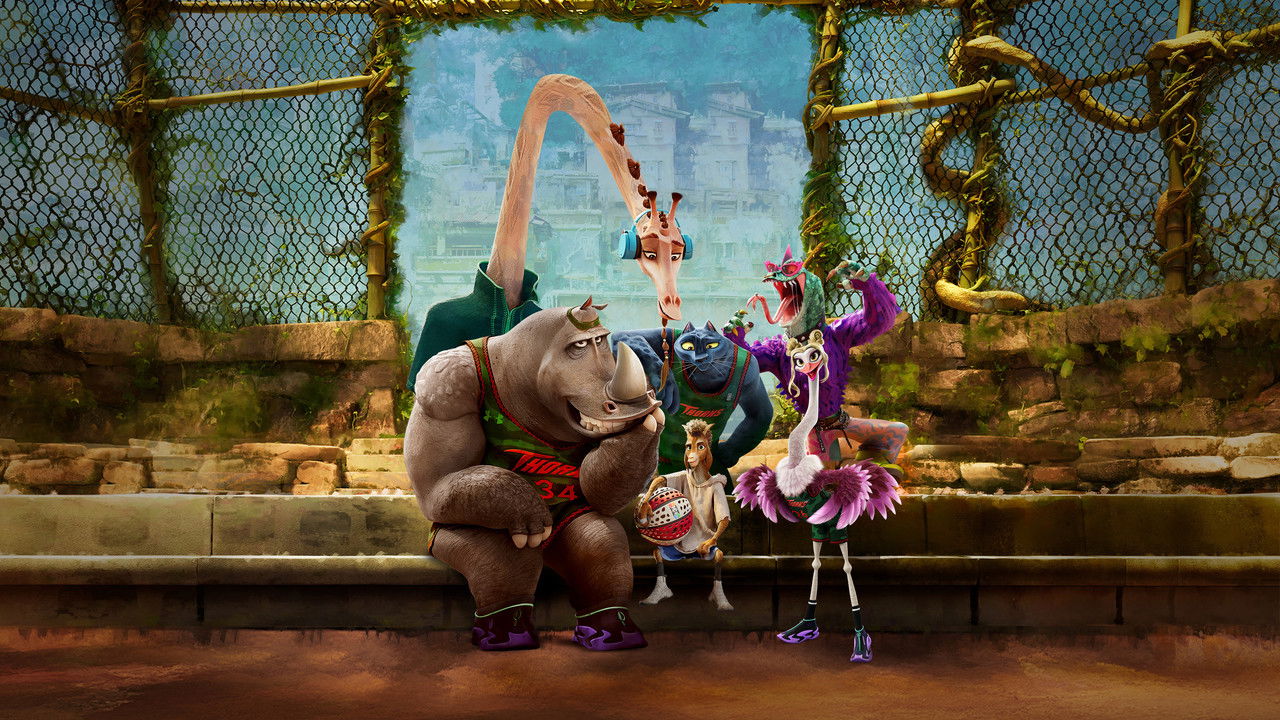
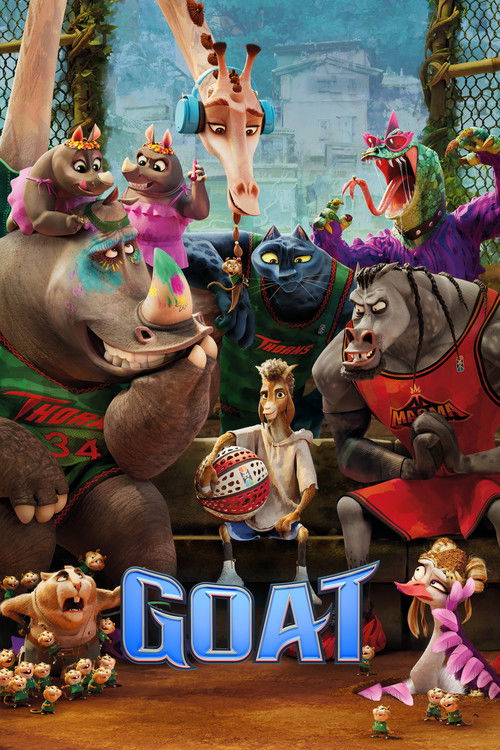
(2026)A small goat with big dreams gets a once-in-a-lifetime shot to join the pros and play roarball, a high-intensity, co-ed, full-contact sport dominated by the fastest, fiercest animals in the world.
This animated sports story is light and family-oriented, with an underdog theme, warm mother-son moments, and plenty of team spirit. The main concerns are repeated teasing about size, some rude language, and a worldview that leans heavily on self-belief and sports identity, which may be worth discussing with children.
Start with the content rating, then use the Christian guidance rating to decide how much conversation your family may need.
Content Indicators

Reviewed 20 February 2026
Esther handles review quality, clarity, and the practical guidance families need after the credits roll.
GOAT Christian Movie Review (2026)
Guidance: Talk Together
This animated sports story is light and family-oriented, with an underdog theme, warm mother-son moments, and plenty of team spirit. The main concerns are repeated teasing about size, some rude language, and a worldview that leans heavily on self-belief and sports identity, which may be worth discussing with children.
Why This Guidance Level
The film looks broadly accessible for families, but it includes repeated put-downs, sports taunting, and a message world centered on proving yourself, chasing greatness, and finding identity in performance. Those elements are not unusually heavy for a family sports movie, yet they give parents several natural openings to talk about worth, perseverance, humility, and where true hope rests in Christ rather than applause or achievement.
Faith & Worldview Perspective
GOAT reflects good things like perseverance, affection between a mother and son, and hope in the face of discouragement. At the same time, its emotional center seems tied closely to athletic success, public recognition, and the dream of becoming the next star. That can be inspiring, but Christian families may want to talk about how a person’s value does not come from talent, size, or crowd approval. Jesus Christ offers a steadier identity than winning, status, or being called the GOAT. Parents may want to discuss the difference between working hard and building your whole identity around achievement.
Truths Reflected
- Perseverance and disciplined effort can be good gifts when pursued with humility.
- Loving family support and encouragement matter when a child faces discouragement.
Tensions to Discuss
- The film may blur the line between healthy ambition and finding your worth in success or public praise, which can conflict with a Christ-centered identity.
- Mocking others for weakness or failure clashes with biblical calls to use words that build up rather than tear down.
Content & Discernment Markers
Occult & Spiritual Content
- Occult material does not stand out here. The repeated chant about roots and the arena atmosphere function more like team tradition and sports hype than spiritual practice.
Sexuality & Relationships
- Sexual content does not stand out in the film. The focus is on family, sports dreams, and team culture rather than romance or sexual humor.
Identity Themes
- A central theme is being told you are too small to belong. Will hears, “My dad said you can’t play roarball ‘cause you’re too small,” and later, “Smalls can’t ball.” The story clearly pushes back against size-based dismissal, but it also ties identity strongly to making it in elite sports. Parents may want to discuss how God-given worth is deeper than talent or body type.
- The arena culture asks, “Who is the GOAT?” and celebrates star status around Jett Fillmore. This can be fun sports storytelling, but it also reinforces a fame-and-greatness mindset that may need conversation about humility and where honor truly belongs.
Violence & Intensity
- Violence appears limited to sports contact, competitive tension, and a brief confrontation at a training court where Will is shoved out verbally and physically dismissed: “Only thing you’re running is off this court. Now get out of here.” For most families, this is mild sports-movie conflict rather than intense danger.
Language & Humour
- Language is mostly mild but includes rude teasing and put-downs such as “weak sauce,” “smalls can’t ball,” “medium fries,” “washed,” and “ultimate hater.” The tone is more mocking than profane, though the insults help shape the underdog pressure Will faces.
Other Content Notes
- There is a brief real-world stress point when a landlord calls after Will about rent: “I hope you’re not trying to sneak out… without paying your rent.” It is not the film’s main focus, but it adds a note of economic strain around the family situation.
- Public ridicule of athletes shows up in fan and media-style reactions, including criticism of Jett’s performance and jokes after an embarrassing play. This matters because children may need help seeing the difference between passionate fandom and cruel speech. Parents may want to discuss speaking with grace even in competition.
Notable Moments
- Mother-son encouragement: Early scenes establish warmth and support as Will’s mother takes him to his first roarball game and encourages his dream.
“I love you, Mom. I love you too, Will.”
- GOAT arena chant: The stadium introduction builds the film’s sports mythology and celebrity focus around hometown star Jett Fillmore.
“Who is the GOAT?”
- Too small to play: Will’s underdog struggle becomes explicit when others tell him his size disqualifies him from the sport.
“My dad said you can’t play roarball ‘cause you’re too small.”
- Court rejection: A tense training-court scene shows Will being mocked and pushed out, sharpening the bullying theme.
“Only thing you’re running is off this court. Now get out of here.”
Discussion Prompts
- Identity and worth: When Will is told he is too small, what do you think gives a person real worth if they never become a star?
- Biblical guidance: Scripture teaches that our value is not earned by talent or status but grounded in being made by God and, for believers, belonging to Jesus Christ.
- Scripture: Genesis 1:27, Psalm 139:13-14, Galatians 2:20
- Perseverance and humility: What is the difference between working hard for a goal and making that goal the center of your life?
- Biblical guidance: Christians are called to work heartily and run with endurance, but to do so for the Lord rather than for applause.
- Scripture: Colossians 3:23, Hebrews 12:1-2, 1 Corinthians 10:31
- Words that wound: How did the teasing in the film affect Will, and what would a godly response sound like in that moment?
- Biblical guidance: God calls us to speak words that build others up, even in competition or frustration.
- Scripture: Ephesians 4:29, Proverbs 15:1, James 3:9-10
- Hope beyond winning: Why do crowds and fame feel so important in sports stories, and how is Christian hope different from that kind of approval?
- Biblical guidance: Earthly praise fades, but hope in Christ is lasting and does not depend on performance.
- Scripture: Matthew 6:19-21, John 12:43, 1 Peter 1:3-4
Common questions about GOAT
- What age is GOAT suitable for?
- GOAT suits children of about 8 and older in most families. That follows its official classification. It is rated PG in the US, New Zealand and the UK, and G in Australia and Canada.
- Is GOAT okay for a 6-year-old?
- GOAT is generally better suited to children of about 8 and up, so a 6-year-old may find parts of it a stretch. It is rated PG in the US, New Zealand and the UK, and G in Australia and Canada. Families comfortable watching a little above the classification together may still be fine with it.
Age guidance is derived from this review's content findings and the film's official classifications. It is a starting point for your own judgement, not a rule.
Parent comments
Leave a comment on this review
Share a short note on GOAT, or help other parents with discernment.
Submit will ask you to sign in first.
Weekend family picks
Get the short family movie list before the weekend
Example newsletter: 3 movies to watch this weekend with your family, plus one question to ask after the credits.
Sample: 3 movies to watch this weekend with your family
One cinema pick, one streaming pick, one conversation-starter pick.
Related Articles
A few bigger-picture reads for parents who want more context than a single review page can hold.

3 Family Movies To Watch With The Kids This Weekend
Three family movie options with quick Christian discernment notes, review links, and simple conversation prompts for parents.
Read article
3 Family Movies To Watch With The Kids This Weekend
Three family movie options with quick Christian discernment notes, review links, and simple conversation prompts for parents.
Read article
3 Family Movies To Watch With The Kids This Weekend
Three family movie options with quick Christian discernment notes, review links, and simple conversation prompts for parents.
Read articleMore Reviews



Official regional ratings
Local ratings remain available for reference, but LionLens separates those classifications from Christian family discernment.
Review Method
How this review was prepared
LionLens reviews are written with subtitle and dialogue evidence where available, official regional ratings data, source research, and final human editorial review before publication.