Human Reviewed
Parent feedback
63 families found this review helpful
Christian Movie Review
Frozen Christian Movie Review
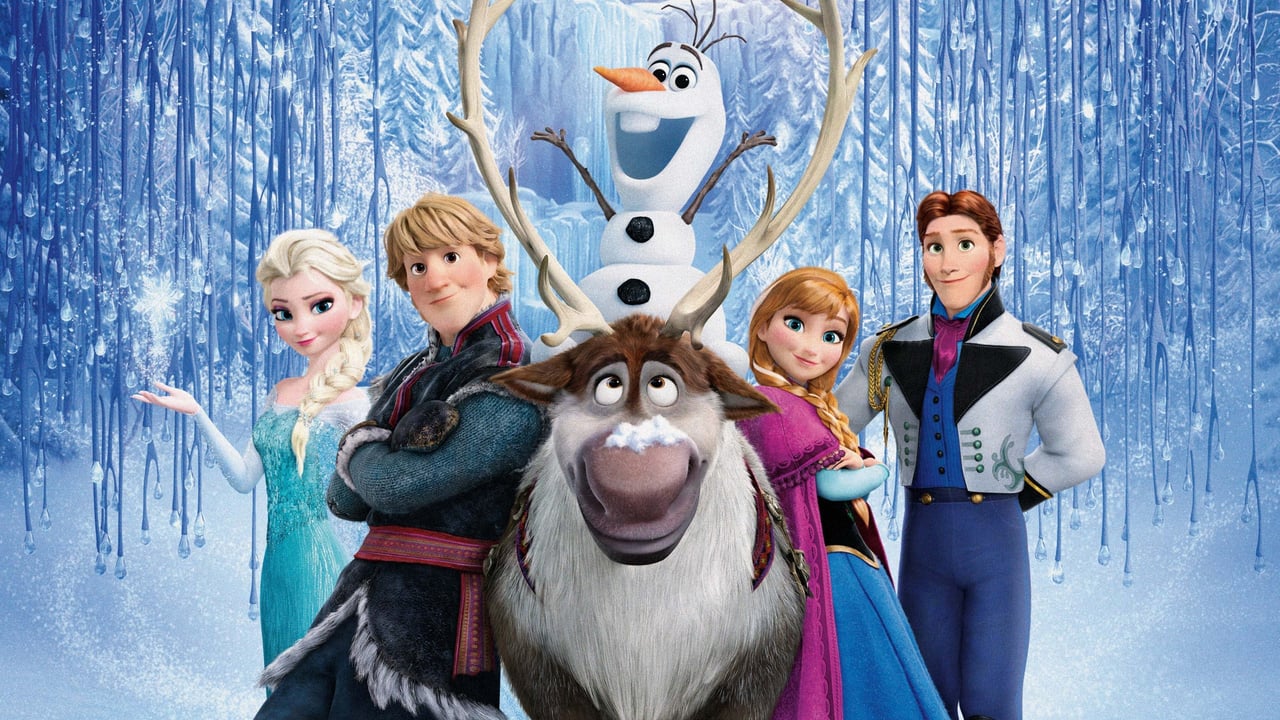
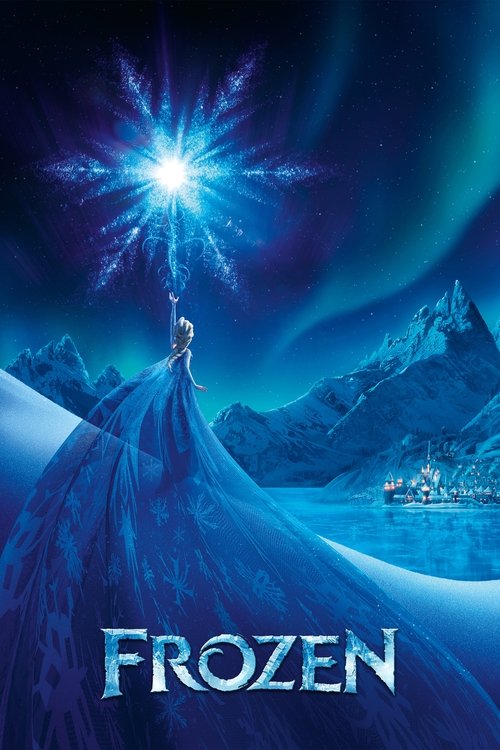
(2013)Frozen is an animated musical adventure about two royal sisters, Anna and Elsa, whose relationship is strained by Elsa's dangerous ice powers and years of secrecy. When Elsa's abilities are exposed, Anna sets out to find her and help restore both their family bond and their kingdom.
Surface content is generally mild for a family fantasy, with peril, emotional tension, and magical elements. The bigger discernment questions come from the film's treatment of magic, fear, secrecy, and the way love and identity are framed.
Use the content rating for what children will see and hear, and the Christian guidance rating for what the story may lead you to discuss.
Content Indicators

Reviewed 24 January 2026
Micah covers action, fantasy, and franchise releases, with close attention to violence, spiritual themes, and moral framing.
Frozen Christian Movie Review (2013)
Guidance: Talk Together
Surface content is generally mild for a family fantasy, with peril, emotional tension, and magical elements. The bigger discernment questions come from the film’s treatment of magic, fear, secrecy, and the way love and identity are framed.
Why This Guidance Level
Frozen stays fairly gentle in surface content, but it carries enough spiritual and worldview material to merit conversation. The magical framework, the trolls’ supernatural intervention, and the film’s strong themes of fear, concealment, and love give parents several worthwhile openings for biblical discussion.
Faith & Worldview Perspective
The story reflects real truths about how fear isolates people, how family love can be sacrificial, and how hiding struggles often deepens pain. Its main tension is that supernatural help comes through fantasy magic and mythical beings rather than through God, and the film treats inner power as something to manage rather than directing viewers toward dependence on Jesus Christ. Parents may want to discuss where true identity, safety, and hope are found.
Truths Reflected
- Fear and secrecy damage relationships.
- Self-giving love for family is powerful and good.
Tensions to Discuss
- The film presents magic and mythical spiritual help as normal and beneficial.
- It leans toward finding freedom through self-expression and control rather than through truth, repentance, and hope in Christ.
Content & Discernment Markers
Occult & Spiritual Content
- Magic is central to the story from the opening scenes, with lyrics calling ice “a magic can’t be controlled.” Elsa’s supernatural power drives the plot, and the family turns to trolls for help after Anna is injured. A troll says, “I recommend we remove all magic, even memories of magic,” introducing memory-altering supernatural intervention. Christian families may want to discuss how fantasy magic differs from God’s power and why spiritual help apart from the Lord should be weighed carefully.
Sexuality & Relationships
- Romance is framed in fairy-tale language as Anna dreams of meeting “the one” and finding love at the coronation. The material is innocent and nonsexual, but it does present a quick, idealized view of romance that parents may want to contrast with biblical wisdom about love and discernment.
Identity Themes
- Elsa is taught to hide what is inside her: “Conceal. Don’t feel. Don’t let it show.” The film treats suppression, fear, and self-control as major identity struggles. This can open a useful conversation about bringing fears into the light before God instead of building a life around concealment.
Violence & Intensity
- A key early scene shows Elsa accidentally striking Anna with her power during play, leading to panic as the adults rush her for help and say, “She’s ice cold.” The danger is not graphic, but it can feel intense for younger children because the harm comes suddenly and involves a child.
- The opening song uses forceful imagery such as “cut through the heart” and “strike for fear,” though it is presented in a stylized, lyrical fantasy setting rather than as graphic violence.
Language & Humour
- Language does not stand out as a concern in the excerpt. Humor is playful and mild, including lines like “Don’t know if I’m elated or gassy,” with no notable profanity.
Other Content Notes
- Emotional distress is a recurring element. Anna experiences loneliness in the castle, and Elsa repeatedly expresses fear that she will hurt others: “I’m scared. It’s getting stronger” and “I don’t want to hurt you.” Parents may want to talk about fear, isolation, and bringing struggles to trusted people instead of hiding them.
Notable Moments
- Anna injured by magic: During childhood play, Elsa accidentally hits Anna with her ice power, creating one of the film’s first genuinely tense moments.
“This is getting out of hand! It was an accident. I’m sorry, Anna.”
- Trolls intervene: The royal family seeks supernatural help from trolls, who diagnose the danger and alter Anna’s memories.
“I recommend we remove all magic, even memories of magic to be safe…”
- Fear-based concealment: Elsa is trained to suppress her emotions and hide her power, shaping the film’s central emotional conflict.
“Conceal it. Don’t feel it. Don’t let it show.”
- Loneliness in the castle: Anna’s isolation is played partly for humor but also carries real sadness as the sisters grow apart.
“Hang in there, Joan. It gets a little lonely all these empty rooms.”
Discussion Prompts
- Fear and hiding: What happens to Elsa and Anna when fear and secrecy control their family? What would it look like to bring fear into the light instead of hiding it?
- Biblical guidance: Scripture teaches that fear grows in darkness, but God calls His people to truth, love, and self-control in Him.
- Scripture: 2 Timothy 1:7, 1 John 1:7, Psalm 56:3
- Love and sacrifice: How does the story show that real love is more than romance? Where do you see sacrificial love in the sisters’ relationship?
- Biblical guidance: The Bible points to love that gives itself for another, and the clearest picture of that is Jesus Christ laying down His life for us.
- Scripture: John 15:13, 1 John 4:9-10, Philippians 2:3-4
- Magic and spiritual help: How does the movie present magic and the trolls’ help? How is that different from where Christians look for wisdom, healing, and hope?
- Biblical guidance: Christians can enjoy fantasy while still remembering that real spiritual help comes from the Lord, not from magical power or mystical beings.
- Scripture: Deuteronomy 18:10-12, Psalm 121:1-2, James 1:5
- Identity and self-control: Is Elsa’s problem only that others do not understand her, or also that her power can harm people? What does wise self-control look like?
- Biblical guidance: The Bible does not call us to deny reality or hide sin and struggle, but to seek transformed hearts and Spirit-shaped self-control.
- Scripture: Galatians 5:22-23, Proverbs 4:23, Ephesians 4:25
Common questions about Frozen
- What age is Frozen suitable for?
- Frozen suits children of about 8 and older in most families. That follows its official classification. It is rated PG in the US and the UK, and G in New Zealand and Canada. A key early scene shows Elsa accidentally striking Anna with her power during play, leading to panic as the adults rush her for help and say, "She's ice cold." Younger viewers may still enjoy it alongside a parent, and it raises worldview questions worth talking through afterwards.
- Is Frozen okay for a 6-year-old?
- Frozen is generally better suited to children of about 8 and up, so a 6-year-old may find parts of it a stretch. It is rated PG in the US and the UK, and G in New Zealand and Canada. A key early scene shows Elsa accidentally striking Anna with her power during play, leading to panic as the adults rush her for help and say, "She's ice cold." Families comfortable watching a little above the classification together may still be fine with it.
Age guidance is derived from this review's content findings and the film's official classifications. It is a starting point for your own judgement, not a rule.
Parent comments
Leave a comment on this review
Share a short note on Frozen, or help other parents with discernment.
Submit will ask you to sign in first.
Weekend family picks
Get the short family movie list before the weekend
Example newsletter: 3 movies to watch this weekend with your family, plus one question to ask after the credits.
Sample: 3 movies to watch this weekend with your family
One cinema pick, one streaming pick, one conversation-starter pick.
Related Articles
A few bigger-picture reads for parents who want more context than a single review page can hold.

How To Talk With Kids About Magic, Fate, And Spiritual Themes In Movies
Many family movies use magic, destiny, spirits, or cosmic balance to drive the story. This article helps Christian parents respond without overreacting, while still drawing clear lines back to biblical truth.
Read article
How To Talk With Kids About Dragon magic In Family Movies
A parent-friendly guide to discussing dragon magic in family movies through a Christian lens.
Read article
How To Talk With Kids About Mild fantasy peril In Family Movies
A parent-friendly guide to discussing mild fantasy peril in family movies through a Christian lens.
Read articleMore Reviews

Official regional ratings
Local ratings remain available for reference, but LionLens separates those classifications from Christian family discernment.
Review Method
How this review was prepared
LionLens reviews are written with subtitle and dialogue evidence where available, official regional ratings data, source research, and final human editorial review before publication.