
Human Reviewed
Parent feedback
74 families found this review helpful
Christian Movie Review
Freaky Friday Christian Movie Review
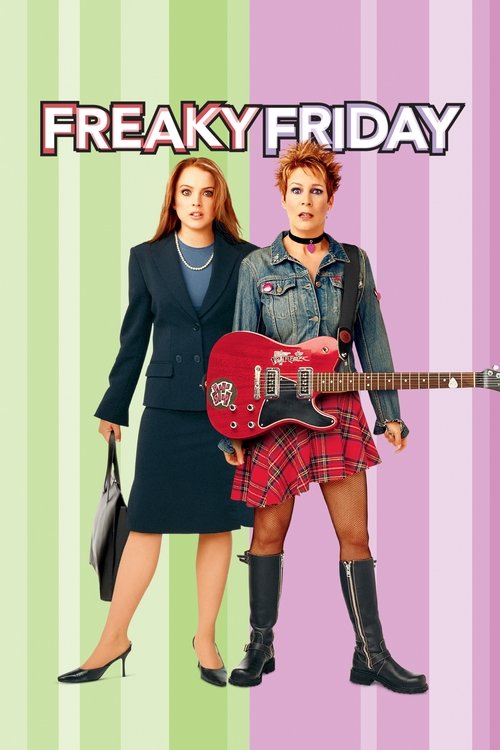
(2003)This Disney comedy follows a mother and daughter who magically swap bodies and spend a chaotic day living each other’s lives. The story mixes school, family, and wedding-prep comedy with teen romance, mild language, and some emotional family tension.
The surface content stays in the mild-to-moderate range, but the family conflict, flirtation, and a few coarse words give parents a reason to pause and talk. The bigger value here is the empathy lesson, especially for families working through misunderstanding and authority struggles.
Use the PG ratings as a starting point, then weigh the mild content against the stronger family and worldview conversations it can open up.
Content Indicators

Reviewed 24 May 2026
Micah covers action, fantasy, and franchise releases, with close attention to violence, spiritual themes, and moral framing.
Freaky Friday Christian Movie Review (2003)
Guidance: Talk Together
The surface content stays in the mild-to-moderate range, but the family conflict, flirtation, and a few coarse words give parents a reason to pause and talk. The bigger value here is the empathy lesson, especially for families working through misunderstanding and authority struggles.
Why This Guidance Level
This is a light family comedy on the surface, but it is not just harmless silliness. The language includes a handful of coarse insults, the romance has a few awkward body-swap moments, and the mother-daughter conflict is central rather than incidental. The bigger discernment question is the film’s moral framing: it celebrates empathy and family understanding, yet it also leans hard into self-assertion and teen independence, so Christian parents may want to help children think about respect, humility, and how Christ shapes our relationships at home.
Faith & Worldview Perspective
The film affirms a real and useful truth: people often soften toward one another when they learn to see life from the other person’s perspective. It also treats family reconciliation as valuable, even when the road there is messy. The tension comes from the way the story frames identity and authority; personal freedom and self-expression are often treated as the main goal, so parents may want to discuss how Christian maturity includes honoring parents, speaking with grace, and finding identity in Christ rather than in feelings or peer approval.
Truths Reflected
- Empathy grows when we understand another person’s burdens.
- Families need patience, humility, and forgiveness to heal.
Tensions to Discuss
- The film often treats teenage autonomy and self-expression as the highest good, which can crowd out biblical respect for parents and authority.
- The story’s emotional center is human understanding rather than repentance, grace, and hope in Jesus Christ.
Content & Discernment Markers
Occult & Spiritual Content
- Occult material does not stand out here. The body-swap premise is played as fantasy comedy rather than spiritual practice, so the main concern is the story device itself, not any occult instruction.
Sexuality & Relationships
- Teen attraction and light romance run through the story, especially Anna’s interest in Jake and the awkward moments that come from the body swap. There are sweet kisses, a motorcycle ride with a crush, and a brief thong reference, which gives parents a simple opening to discuss modesty and wise affection.
Identity Themes
- Identity and independence are major themes. Anna repeatedly pushes back with lines like “You’re ruining my life” and “I want to grow up,” while the body swap forces both mother and daughter to live with the consequences of their assumptions. Parents may want to discuss how God shapes identity, not just feelings or peer pressure.
Violence & Intensity
- Violence is mostly comic and chaotic. The film includes shouting, frantic chasing, a character tackling someone to keep a secret from coming out, and a few rough schoolyard moments like students hitting each other with volleyballs. Parents may want to discuss how conflict can be handled without panic or physical force.
Language & Humour
- The dialogue includes a handful of coarse words and sharp insults, including “harlot,” “screwed,” “fart,” “insane psycho freak,” “hell,” and “sucks,” along with repeated exclamations like “Oh, my God!” The tone is more teasing than harsh, but the wording is noticeable enough for families to register.
Other Content Notes
- The film carries a strong family-conflict thread, with repeated arguments about clothes, driving, boys, and control. The story also touches lightly on grief and remarriage, which gives the comedy a more serious family backdrop.
Notable Moments
- Wedding prep clash: A tense morning argument turns into comedy as mother and daughter clash over clothes, driving, and control, with the line “I don’t want my maid of honor looking like a harlot.”
“I don’t want my maid of honor looking like a harlot.”
- Jake and the helmet: Anna’s crush on Jake drives several awkward and playful moments, including the motorcycle ride and the quick back-and-forth about seeing his band.
“Do you want a ride?”
- Secret panic: The body-swap confusion peaks in frantic shouting and physical comedy as Anna cries for help and the adults scramble to keep the truth hidden.
“Help me!”
Discussion Prompts
- Seeing others with empathy: What changed when each character had to live the other person’s day, and where do you see that kind of empathy in your own family?
- Biblical guidance: Scripture calls us to be quick to hear, slow to speak, and slow to anger. Jesus Christ shows perfect compassion, and we are invited to treat others with that same humility.
- Scripture: James 1:19, Philippians 2:3-5
- Respect and authority: When Anna feels controlled, how does she speak to her mom, and what would respectful disagreement look like instead?
- Biblical guidance: God’s Word teaches children to honor their parents, even when they disagree. Respect does not erase feelings, but it does shape how we speak and act.
- Scripture: Exodus 20:12, Ephesians 6:1-3
- Identity and approval: What does the movie suggest about being yourself, and how is that different from finding your identity in Christ?
- Biblical guidance: The world often says identity comes from independence or popularity, but Christians are called to belong to Jesus Christ first and to live from that secure identity.
- Scripture: Galatians 2:20, 1 Peter 2:9
- Family change and grief: How do the characters handle loss, remarriage, and change, and what helps a family stay united during hard transitions?
- Biblical guidance: The Bible makes room for grief, patience, and comfort. Families can lean on God’s care and speak honestly while still showing love and faithfulness.
- Scripture: Psalm 34:18, Romans 12:15
Common questions about Freaky Friday
- What age is Freaky Friday suitable for?
- Freaky Friday suits children of about 8 and older in most families. That follows its official classification. It is rated PG in the US, New Zealand and the UK, and G in Australia and Canada. The dialogue includes a handful of coarse words and sharp insults, including “harlot,” “screwed,” “fart,” “insane psycho freak,” “hell,” and “sucks,” along with repeated exclamations like “Oh, my God!” Younger viewers may still enjoy it alongside a parent, and it raises worldview questions worth talking through afterwards.
- Is Freaky Friday okay for a 6-year-old?
- Freaky Friday is generally better suited to children of about 8 and up, so a 6-year-old may find parts of it a stretch. It is rated PG in the US, New Zealand and the UK, and G in Australia and Canada. The dialogue includes a handful of coarse words and sharp insults, including “harlot,” “screwed,” “fart,” “insane psycho freak,” “hell,” and “sucks,” along with repeated exclamations like “Oh, my God!” Families comfortable watching a little above the classification together may still be fine with it.
Age guidance is derived from this review's content findings and the film's official classifications. It is a starting point for your own judgement, not a rule.
Parent comments
Leave a comment on this review
Share a short note on Freaky Friday, or help other parents with discernment.
Submit will ask you to sign in first.
Weekend family picks
Get the short family movie list before the weekend
Example newsletter: 3 movies to watch this weekend with your family, plus one question to ask after the credits.
Sample: 3 movies to watch this weekend with your family
One cinema pick, one streaming pick, one conversation-starter pick.
Related Articles
A few bigger-picture reads for parents who want more context than a single review page can hold.

Disney And Pixar Films For Christian Families: Why They Still Need Discernment
Disney and Pixar films often feel safer than they really are. This guide helps Christian parents notice the spiritual assumptions, emotional messages, and identity themes that can slip past a quick first impression.
Read article
How To Talk With Kids About Dragon magic In Family Movies
A parent-friendly guide to discussing dragon magic in family movies through a Christian lens.
Read article
How To Talk With Kids About Mild fantasy peril In Family Movies
A parent-friendly guide to discussing mild fantasy peril in family movies through a Christian lens.
Read articleMore Reviews



Official regional ratings
Local ratings remain available for reference, but LionLens separates those classifications from Christian family discernment.
Review Method
How this review was prepared
LionLens reviews are written with subtitle and dialogue evidence where available, official regional ratings data, source research, and final human editorial review before publication.