Human Reviewed
Parent feedback
55 families found this review helpful
Christian Movie Review
Diary of a Wimpy Kid Christian Movie Review
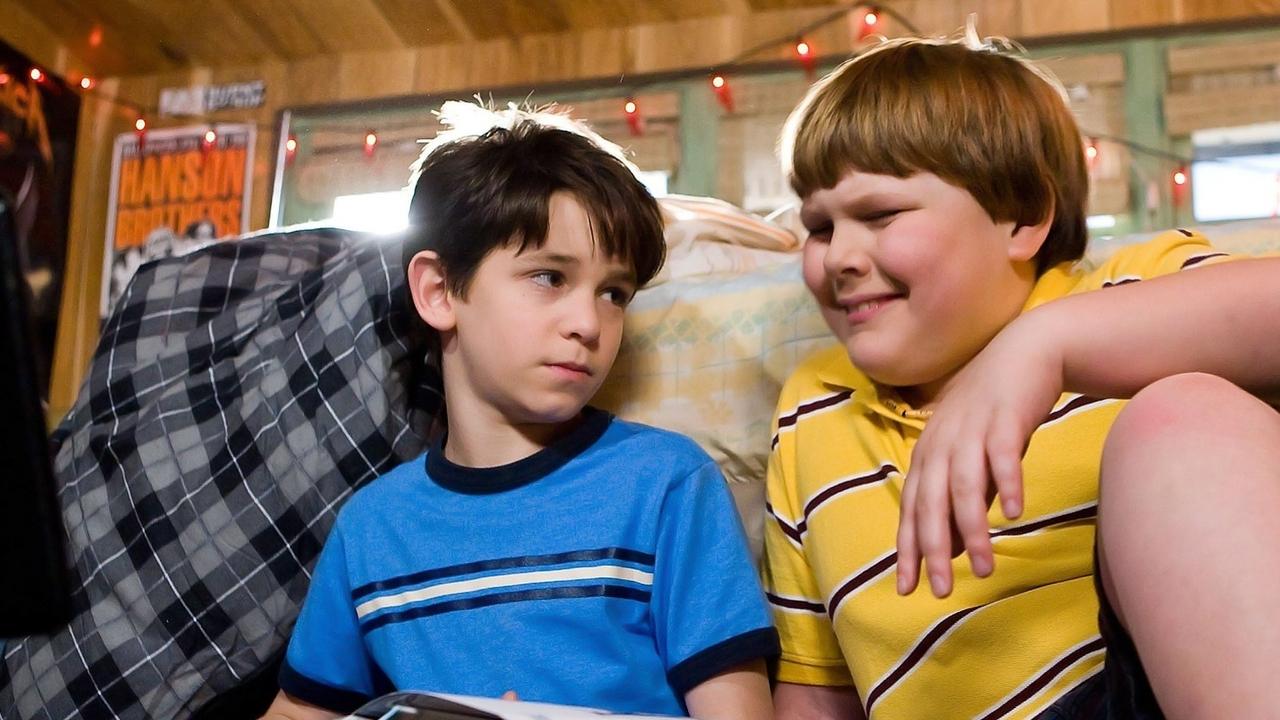
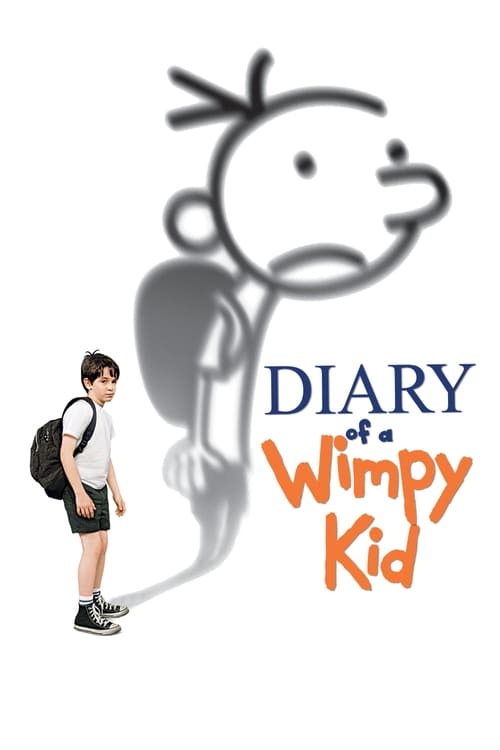
(2010)This live-action family comedy follows Greg Heffley as he starts middle school and tries to climb the social ladder while navigating awkward friendships, sibling trouble, and school embarrassment. The film leans on sarcastic humor, school misadventures, and the everyday anxieties of fitting in.
The surface content stays in the mild PG range, but the movie spends a lot of time on cruelty, popularity, selfishness, and humiliation. For many families, the bigger issue is not harsh content but the way Greg often treats people until the story pushes him toward better choices.
Use the content rating for what is shown and heard, and the Christian guidance rating for what the movie may stir up in your child's heart and thinking.
Content Indicators

Reviewed 25 February 2026
Rachel focuses on animated films, family viewing habits, and helping parents spot worldview themes quickly.
Diary of a Wimpy Kid Christian Movie Review (2010)
Guidance: Talk Together
The surface content stays in the mild PG range, but the movie spends a lot of time on cruelty, popularity, selfishness, and humiliation. For many families, the bigger issue is not harsh content but the way Greg often treats people until the story pushes him toward better choices.
Why This Guidance Level
This lands in a middle category because the movie’s content is fairly mild, but its main world is shaped by status anxiety, ridicule, deceit, and self-protection. The story does move toward accountability and friendship, yet parents may still want conversation because Greg’s selfish perspective is funny enough that younger viewers could absorb it without noticing how wrong it is.
Faith & Worldview Perspective
Diary of a Wimpy Kid presents middle school as a social battlefield where survival depends on image, rank, and avoiding embarrassment. The film does not celebrate that worldview without question, but it spends much of its time inside Greg’s self-centered mindset, where friends are useful, honesty is negotiable, and popularity feels like the highest good. The healthier thread is that choices shape character, friendship needs loyalty, and using people for personal gain leads to hurt. Parents may want to discuss how Jesus Christ calls us to humility, truth, and love for the overlooked rather than chasing status.
Truths Reflected
- Choices have consequences and help shape character.
- Real friendship requires loyalty, honesty, and forgiveness.
Tensions to Discuss
- The movie often treats popularity and self-advancement as the main measure of success, which can pull against Christlike humility.
- Greg regularly mocks, uses, or distances himself from others for social advantage, which conflicts with loving your neighbor as someone made in God’s image.
Content & Discernment Markers
Occult & Spiritual Content
- Occult material does not stand out here. The film’s concerns are social pressure, school humiliation, and selfish choices rather than spiritual or supernatural themes.
Sexuality & Relationships
- Sexual content is very light. The film stays focused on immature middle-school awkwardness rather than romance, with only passing age-level comments about appearance.
Identity Themes
- Greg constantly measures himself and others by popularity and social rank, even estimating where classmates fall and placing himself near the top. This matters for Christian families because the movie shows how quickly identity can get tied to status instead of character. Parents may want to discuss where our worth comes from before God.
- Rowley is treated as an embarrassment rather than a friend when Greg says, “Don’t be seen with Rowley,” and uses him as a social buffer. The film exposes how fear of shame can make loyalty feel optional.
Violence & Intensity
- School bullying and intimidation are recurring. Greg and Rowley are chased by older kids, and the dialogue frames middle school as a place where you might be “dead or homeschooled by the end of the year.” The threat is mostly comic, but the fear of being targeted is real within the story.
- Gym-class scenes include rough play and comic peril, including a frantic attempt to outrun stronger kids during a game. The action is not graphic, but some younger viewers may feel the humiliation and threat more than the jokes.
- Sibling conflict includes Rodrick tricking Greg into waking up at 4:00 AM for school and then letting him take the fallout. It is played for laughs, but it models deceit and mean-spirited pranking inside the family.
Language & Humour
- Language is mostly insults and sarcastic put-downs, including “morons,” “idiot,” “stupid,” “dumb,” “jerk,” “tool,” “freak show,” and “wimp.” This is the movie’s normal comic voice, so families sensitive to contemptuous speech may want to note how often mockery drives the humor.
- There is also mild coarse and irreverent speech, including “crap,” “freakin’,” and “God” used as an exclamation. None of it is extreme, but it goes beyond purely clean family banter.
Other Content Notes
- Bathroom and gross-out humor shows up often, with lines like “I think it’s gross and undignified that I have to eat breakfast next to him on the potty,” “The potty monster doesn’t like it when you look at him,” and “Three days, no shower. Smell the love!” Families should expect toilet jokes and hygiene-based comedy throughout.
- The film repeatedly uses embarrassment as comedy, including hygiene jokes, social humiliation, and oddball classmates being laughed at. Parents may want to discuss the difference between laughing with someone and laughing at them.
Notable Moments
- Rodrick’s prank: Rodrick wakes Greg early by changing the clock and lets him get in trouble, setting up the film’s sibling rivalry and prank-heavy tone.
“School doesn’t start till next week. And, FYI, school doesn’t start at 4:00 in the morning!”
- Popularity mindset: Greg openly ranks classmates by social status and assumes he can climb near the top, revealing how much of his thinking is driven by image.
“I’d put myself around number 19 or 20.”
- Friend as liability: Greg’s treatment of Rowley shows how quickly fear of embarrassment can override loyalty.
“Don’t be seen with Rowley.”
- Middle school as jungle: The opening school narration frames adolescence as a humiliating survival contest, which shapes the movie’s cynical but funny tone.
“Let me just say for the record that I think middle school may be the dumbest idea ever invented.”
Discussion Prompts
- Popularity and identity: Why does Greg care so much about where he ranks, and how can chasing status change the way we treat people?
- Biblical guidance: Scripture points children of God away from selfish ambition and toward humility, remembering that worth is not earned by social position.
- Scripture: Philippians 2:3-4, 1 Samuel 16:7
- Friendship and loyalty: How did Greg treat Rowley when being seen with him felt embarrassing, and what would faithful friendship have looked like?
- Biblical guidance: A true friend stays loyal, speaks truth, and does not use people for personal advantage.
- Scripture: Proverbs 17:17, John 15:12-13
- Speech and mockery: Which jokes in the movie were funny, and which ones crossed into tearing people down?
- Biblical guidance: Jesus calls His people to speech that gives grace rather than contempt, even when everyone else is joking that way.
- Scripture: Ephesians 4:29, James 3:9-10
- Choices, honesty, and repentance: What happens when Greg or Rodrick lies, shifts blame, or protects themselves instead of telling the truth?
- Biblical guidance: Our choices shape our character, and Christian hope in Christ includes confessing wrong, seeking forgiveness, and learning to walk in truth.
- Scripture: Galatians 6:7, 1 John 1:9, Colossians 3:9-10
Common questions about Diary of a Wimpy Kid
- What age is Diary of a Wimpy Kid suitable for?
- Diary of a Wimpy Kid suits children of about 8 and older in most families. That follows its official classification. It is rated PG in Australia, the US, New Zealand, the UK and Canada. Language is mostly insults and sarcastic put-downs, including "morons," "idiot," "stupid," "dumb," "jerk," "tool," "freak show," and "wimp." Younger viewers may still enjoy it alongside a parent, and it raises worldview questions worth talking through afterwards.
- Is Diary of a Wimpy Kid okay for a 6-year-old?
- Diary of a Wimpy Kid is generally better suited to children of about 8 and up, so a 6-year-old may find parts of it a stretch. It is rated PG in Australia, the US, New Zealand, the UK and Canada. Language is mostly insults and sarcastic put-downs, including "morons," "idiot," "stupid," "dumb," "jerk," "tool," "freak show," and "wimp." Families comfortable watching a little above the classification together may still be fine with it.
Age guidance is derived from this review's content findings and the film's official classifications. It is a starting point for your own judgement, not a rule.
Parent comments
Leave a comment on this review
Share a short note on Diary of a Wimpy Kid, or help other parents with discernment.
Submit will ask you to sign in first.
Weekend family picks
Get the short family movie list before the weekend
Example newsletter: 3 movies to watch this weekend with your family, plus one question to ask after the credits.
Sample: 3 movies to watch this weekend with your family
One cinema pick, one streaming pick, one conversation-starter pick.
Related Articles
A few bigger-picture reads for parents who want more context than a single review page can hold.

Animal Farm And Talking With Kids About Power, Truth, And Sin
Animal Farm can help older children see how slogans, fear, and corrupted authority distort truth, but parents should frame the story with a biblical view of sin.
Read article
Disney And Pixar Films For Christian Families: Why They Still Need Discernment
Disney and Pixar films often feel safer than they really are. This guide helps Christian parents notice the spiritual assumptions, emotional messages, and identity themes that can slip past a quick first impression.
Read article
5 Things To Notice In Kids Movies Before The Message Lands
A child can absorb a movie long before they can explain it. These five checkpoints help Christian parents notice what a film is training the heart to love, fear, excuse, or trust.
Read articleMore Reviews



Official regional ratings
Local ratings remain available for reference, but LionLens separates those classifications from Christian family discernment.
Review Method
How this review was prepared
LionLens reviews are written with subtitle and dialogue evidence where available, official regional ratings data, source research, and final human editorial review before publication.