Human Reviewed
Parent feedback
42 families found this review helpful
Christian Movie Review
Despicable Me 3 Christian Movie Review
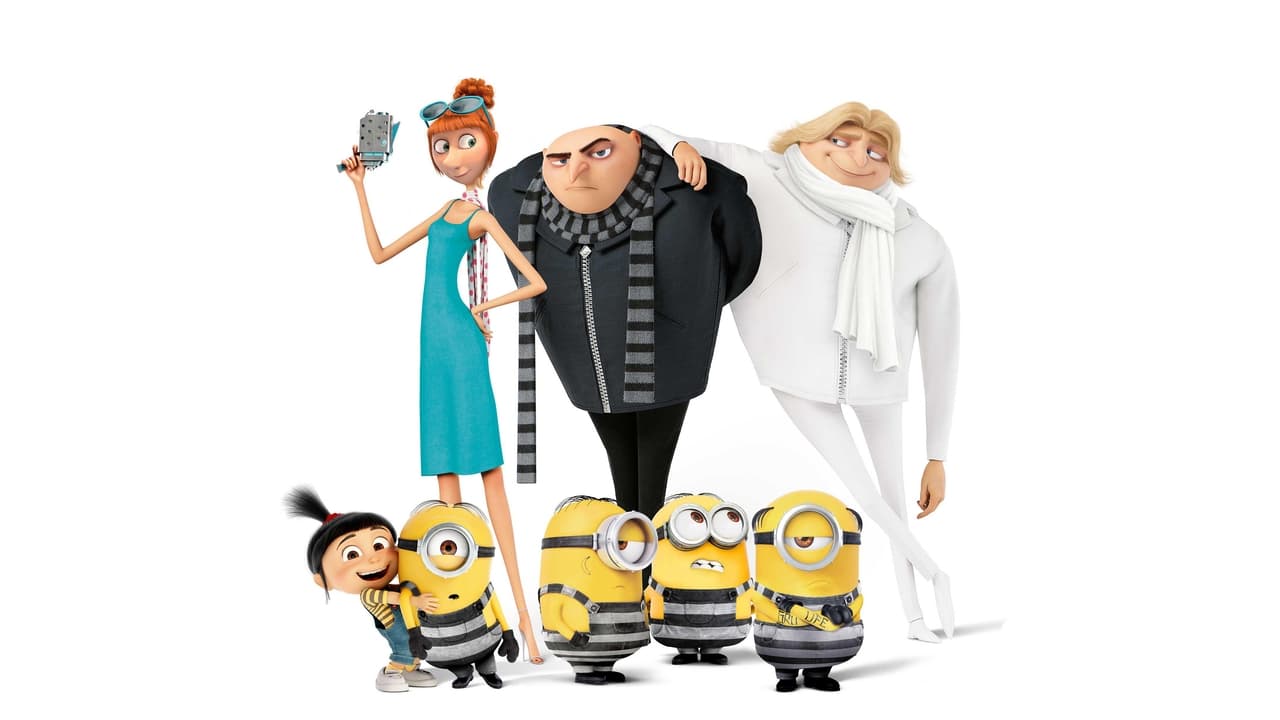
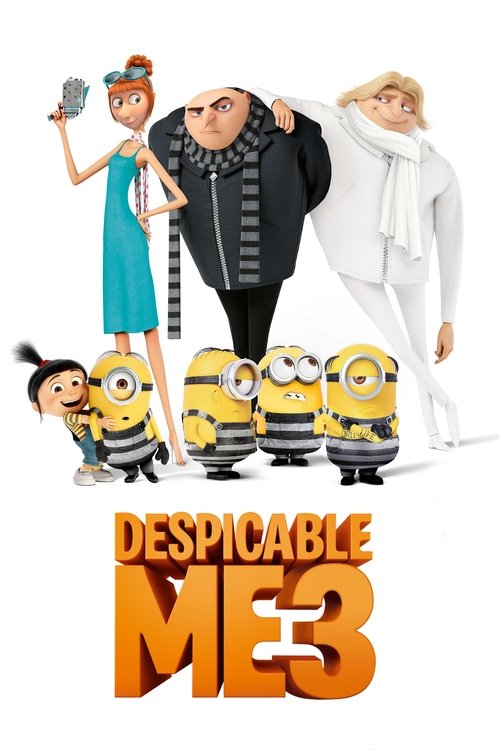
(2017)Gru and his wife Lucy must stop former '80s child star Balthazar Bratt from achieving world domination.
This animated sequel stays in the broad family-comedy lane, with slapstick action, villain-driven chaos, and the usual Minions-style crude humor. The bigger discernment questions are less about explicit content and more about identity, family loyalty, and whether growth comes through love and responsibility or through self-centered ambition.
Start with the content rating, then use the Christian guidance rating to decide how much conversation your family may need.
Content Indicators

Reviewed 24 March 2026
Esther handles review quality, clarity, and the practical guidance families need after the credits roll.
Despicable Me 3 Christian Movie Review (2017)
Guidance: Talk Together
This animated sequel stays in the broad family-comedy lane, with slapstick action, villain-driven chaos, and the usual Minions-style crude humor. The bigger discernment questions are less about explicit content and more about identity, family loyalty, and whether growth comes through love and responsibility or through self-centered ambition.
Why This Guidance Level
This lands in a middle category for many Christian families because the surface content is fairly typical for mainstream animation: comic danger, chase scenes, villain threats, and silly humor. The more meaningful conversation points come from the film’s treatment of identity, family bonds, and redemption, especially as characters wrestle with who they are and what kind of life they will choose.
Faith & Worldview Perspective
The film affirms several good things: family can be healing, selfishness can be confronted, and people are not locked into their worst past choices. At the same time, it treats morality in a light comic way and roots hope mainly in family connection and personal change rather than in the deeper redemption and new identity found in Jesus Christ. Parents may want to discuss the difference between being shaped by affection alone and being truly transformed by truth and grace in Christ.
Truths Reflected
- Family loyalty and sacrificial care matter.
- A person’s past does not have to define his future.
Tensions to Discuss
- The film leans toward personal and relational redemption without pointing to the deeper need for reconciliation with God through Jesus Christ.
- Right and wrong are often played for laughs, which can soften the seriousness of sin and responsibility.
Content & Discernment Markers
Occult & Spiritual Content
- Occult material does not stand out here. The story uses exaggerated cartoon villainy and gadgets rather than spiritual practices or supernatural teaching.
Sexuality & Relationships
- Romantic material is light and mostly tied to marriage and family dynamics rather than sexual content. Parents are more likely to notice relational comedy than anything sensual.
Identity Themes
- A major thread centers on discovering family roots and asking, in effect, ‘Who am I really?’ The film treats identity as something shaped by family history, personality, and chosen loyalty. Parents may want to discuss how our deepest identity is not just in our background but in how God sees us.
- The story also explores whether someone with a criminal past can become a different person. That can open a useful conversation about repentance, changed behavior, and the fuller Christian hope of becoming a new creation in Christ.
Violence & Intensity
- The film includes frequent animated peril: chase scenes, fights, escapes, gadget-based attacks, and villain threats. The tone is playful rather than graphic, but the action is steady enough that younger children may still feel the tension.
- Characters face danger in exaggerated comic set pieces, with near misses and theatrical destruction rather than realistic injury. Parents may want to discuss the difference between funny screen chaos and real-world harm.
Language & Humour
- Language concerns are mild and mostly come through insults, put-downs, and the franchise’s usual silly, crude-leaning humor. Parents who are sensitive to disrespectful banter may want to note how jokes can normalize mockery even when the tone is playful.
- Some humor depends on bodily-function gags and mischievous Minions behavior rather than sharp profanity. That kind of comedy is common in family animation but may still be worth discussing if your family is trying to shape cleaner habits of speech and humor.
Other Content Notes
- The movie repeatedly uses crime, deception, and villain antics as comic entertainment. While the story generally points characters back toward family and responsibility, wrongdoing is often stylized to feel amusing rather than serious.
Notable Moments
- Family identity: A central part of the story turns on discovering a family connection and deciding what kind of person that relationship will shape someone to become.
- Comic villain peril: The villain creates repeated action sequences with threats, pursuit, and exaggerated danger played for laughs.
Discussion Prompts
- Identity and belonging: When the characters try to figure out who they are, what do they base that on? Family history, talent, feelings, or choices? How is that different from finding our identity in Christ?
- Biblical guidance: Scripture teaches that our deepest identity is received from God, not built only from our past or personality.
- Scripture: 2 Corinthians 5:17, Galatians 2:20
- Family loyalty and truth: Is family love enough by itself, or does real love also tell the truth and call people away from wrong choices?
- Biblical guidance: The Bible honors family love, but love is meant to rejoice in truth and lead us toward what is right.
- Scripture: 1 Corinthians 13:6, Ephesians 6:1-4
- Can people really change?: What does the movie say helps a person change? How does that compare with the Christian hope of repentance and new life through Jesus Christ?
- Biblical guidance: Behavior can improve through effort and relationships, but lasting transformation comes through Christ.
- Scripture: Ezekiel 36:26, Romans 12:2
- Humor and respect: Which jokes were funny, and which ones were based on disrespect, foolishness, or gross-out humor? What kind of humor honors God?
- Biblical guidance: Christians are called to speech that is wholesome, gracious, and fitting.
- Scripture: Ephesians 4:29, Colossians 4:6
Common questions about Despicable Me 3
- What age is Despicable Me 3 suitable for?
- Despicable Me 3 suits children of about 8 and older in most families. That follows its official classification. It is rated PG in Australia, the US and New Zealand, and U in the UK. The film includes frequent animated peril: chase scenes, fights, escapes, gadget-based attacks, and villain threats.
- Is Despicable Me 3 okay for a 6-year-old?
- Despicable Me 3 is generally better suited to children of about 8 and up, so a 6-year-old may find parts of it a stretch. It is rated PG in Australia, the US and New Zealand, and U in the UK. The film includes frequent animated peril: chase scenes, fights, escapes, gadget-based attacks, and villain threats. Families comfortable watching a little above the classification together may still be fine with it.
Age guidance is derived from this review's content findings and the film's official classifications. It is a starting point for your own judgement, not a rule.
Parent comments
Leave a comment on this review
Share a short note on Despicable Me 3, or help other parents with discernment.
Submit will ask you to sign in first.
Weekend family picks
Get the short family movie list before the weekend
Example newsletter: 3 movies to watch this weekend with your family, plus one question to ask after the credits.
Sample: 3 movies to watch this weekend with your family
One cinema pick, one streaming pick, one conversation-starter pick.
Related Articles
A few bigger-picture reads for parents who want more context than a single review page can hold.
Animal Farm And Talking With Kids About Power, Truth, And Sin
Animal Farm can help older children see how slogans, fear, and corrupted authority distort truth, but parents should frame the story with a biblical view of sin.
Read article
5 Things To Notice In Kids Movies Before The Message Lands
A child can absorb a movie long before they can explain it. These five checkpoints help Christian parents notice what a film is training the heart to love, fear, excuse, or trust.
Read article
3 Family Movies To Watch With The Kids This Weekend
Three family movie options with quick Christian discernment notes, review links, and simple conversation prompts for parents.
Read articleMore Reviews



Official regional ratings
Local ratings remain available for reference, but LionLens separates those classifications from Christian family discernment.
Review Method
How this review was prepared
LionLens reviews are written with subtitle and dialogue evidence where available, official regional ratings data, source research, and final human editorial review before publication.