Human Reviewed
Parent feedback
41 families found this review helpful
Christian Movie Review
Descendants 3 Christian Movie Review
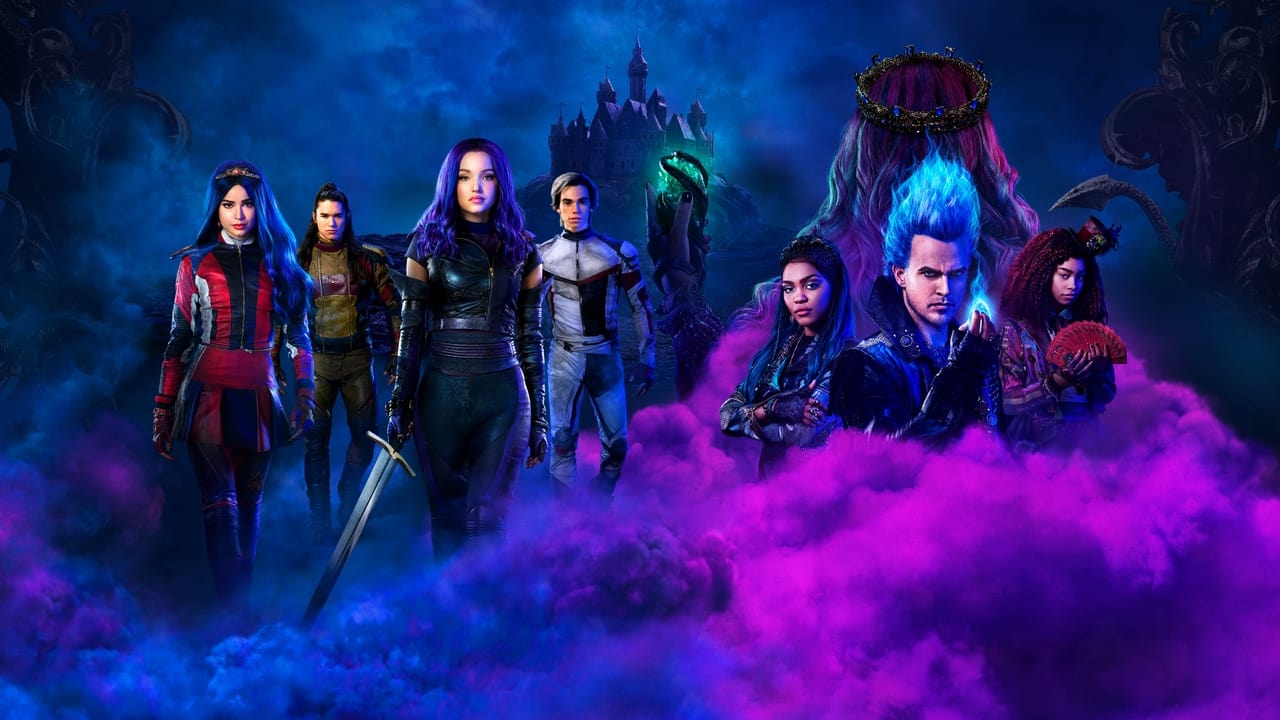
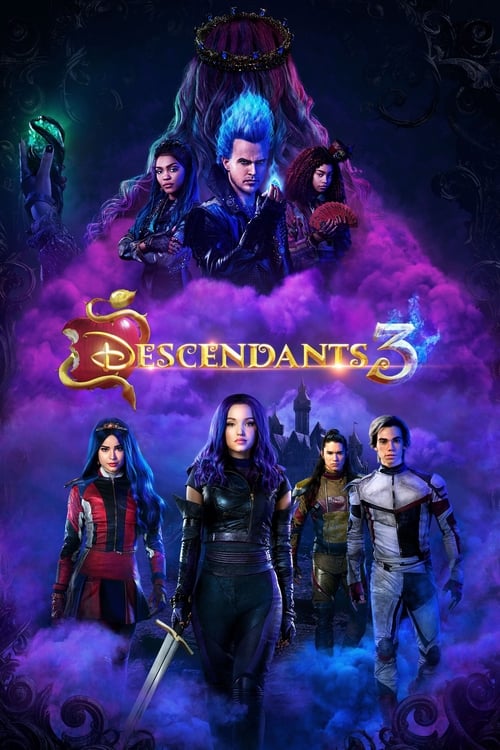
(2019)This Disney musical fantasy follows Mal and the other villain kids as they return to the Isle of the Lost to bring more children into Auradon. The story centers on belonging, second chances, loyalty, and the tension between a person's past and future.
Surface content stays in the family-film range, with fantasy peril, villain talk, and light romance. The bigger issue for Christian families is the movie's steady use of magic, villain heritage, and identity messaging that invites conversation about where true identity and hope are found.
Use the content rating for what is shown on screen, and the Christian guidance rating for what the story encourages children to admire or absorb.
Content Indicators

Reviewed 22 December 2025
Esther handles review quality, clarity, and the practical guidance families need after the credits roll.
Descendants 3 Christian Movie Review (2019)
Guidance: Talk Together
Surface content stays in the family-film range, with fantasy peril, villain talk, and light romance. The bigger issue for Christian families is the movie’s steady use of magic, villain heritage, and identity messaging that invites conversation about where true identity and hope are found.
Why This Guidance Level
This lands in the middle because the movie’s surface content is fairly mild for a PG fantasy, but its worldview themes are more significant than its action. Magic, villain ancestry, and the repeated celebration of being shaped by the Isle create worthwhile discussion points for families who want to contrast the film’s message with Christian identity, repentance, and hope in Christ.
Faith & Worldview Perspective
Descendants 3 strongly values second chances, mercy, and welcoming outsiders, and those are meaningful themes for families. The tension comes from how the story frames identity: characters are repeatedly defined by villain parents, the Isle, and a slogan that says, ‘It’s good to be bad.’ The film admires transformation, but it often treats it as social acceptance and self-expression rather than repentance and new life. Parents may want to discuss how Jesus Christ offers more than a chance to fit in; He offers forgiveness and a new identity rooted in truth, not in our past or our label.
Truths Reflected
- People should not be forever trapped by their past.
- Mercy and welcome can help restore those who have been pushed aside.
Tensions to Discuss
- The film celebrates a ‘good to be bad’ identity, which can blur the Bible’s clear distinction between evil and redeemed living.
- Its supernatural world normalizes magic and dark lineage as part of personal identity rather than something to reject or test carefully.
Content & Discernment Markers
Occult & Spiritual Content
- Magic and dark-fantasy lineage are built into the story from the start. Mal introduces herself as ‘daughter of Maleficent,’ and another chosen child is introduced as ‘Dr. Facilier’s daughter,’ placing children inside a world shaped by sorcery and villain heritage. Christian families may want to discuss the difference between fairy-tale magic and the Bible’s warnings about seeking power apart from God.
- A line about ‘Fairy Godmother’s goodness class’ treats magical power and magical authority as normal and even desirable within the school setting. That may be worth discussing with children who are still learning how Christian faith differs from enchanted power stories.
- Mal mentions wanting to do a ‘dragon flyover’ because she can go higher, reinforcing the film’s ongoing supernatural framework and magical abilities as part of everyday life.
Sexuality & Relationships
- Relationship content is light. Mal says, ‘Ben is the king now, I’m his girlfriend,’ presenting a steady teen romance without stronger sexual material.
Identity Themes
- The opening and songs repeatedly tie identity to family background and place: ‘I’m Mal, daughter of Maleficent,’ ‘We’re from the Isle of the Lost,’ and ‘you can take the V.K. out of the Isle, but you can’t take the Isle out of the V.K.’ The film treats roots and group identity as powerful and lasting. Parents may want to ask whether our deepest identity comes from our past or from who we become before God.
- The anthem ‘It’s good to be bad’ is framed as pride, celebration, and solidarity for kids from the Isle. The song also says, ‘Used to steal stacks, now we’re giving back,’ mixing redemption language with a slogan that still celebrates badness. This may conflict with a biblical view because sin is not something to reclaim as a badge of honor.
Violence & Intensity
- There is clear fantasy-threat language when Mal warns, ‘I don’t trust Uma… She’s gonna wait until our defenses are down and then, that’s when she’s gonna strike.’ The scene includes talk of guards and preparing for danger, which adds tension without moving into graphic territory.
- The broader story includes magical attacks, spells, and fantasy peril typical of a PG adventure. The intensity is more adventurous than disturbing, but younger children may still notice the threat level.
Language & Humour
- Language is mild in the film. The sharper verbal content comes more from taunting villain talk and swaggering song lyrics like ‘It’s good to be bad’ than from profanity parents would usually flag.
Other Content Notes
- The story strongly emphasizes second chances as Mal explains that Prince Ben believed the villains’ children ‘should have a chance.’ That reflects mercy and restoration, though families may want to connect that idea to repentance, forgiveness, and changed hearts rather than simple inclusion.
- The celebratory crowd scenes and chants around V.K. pride create a strong sense of belonging and group loyalty. That can be positive, but it also reinforces identity through tribe and image. Parents may want to discuss how Christian community welcomes people without making rebellion part of the brand.
Notable Moments
- Mal’s introduction: Mal introduces herself through her villain lineage and explains the Isle’s history and the chance given to villain kids.
“I’m Mal, daughter of Maleficent. And this is my home. It wasn’t always.”
- V.K. anthem: A major musical number celebrates Isle identity, past wrongdoing, and pride in being ‘bad.’
“They said that being / From the Isle was bad / Well it’s good to be bad / And we’re proof of that”
- Redemption lyric: The song acknowledges a move from theft toward giving back, showing one of the film’s clearer redemption notes.
“Used to steal stacks / Now we’re giving back”
- Threat warning: Mal voices suspicion about Uma and expects an attack when defenses are lowered.
“She’s gonna wait until our defenses are down and then, that’s when she’s gonna strike.”
Discussion Prompts
- Identity and new life: The movie says you cannot take the Isle out of a V.K. Do you think our past has the final word over who we are?
- Biblical guidance: Scripture teaches that in Christ, a person is made new and is not defined forever by sin, family history, or old labels.
- Scripture: 2 Corinthians 5:17, Galatians 2:20
- Second chances and repentance: What is the difference between giving someone a second chance and pretending that bad is actually good?
- Biblical guidance: The Bible celebrates mercy, but it never asks us to rename evil as good. Grace leads to repentance and changed living.
- Scripture: Romans 2:4, Isaiah 5:20
- Belonging and pride: Why do the characters care so much about being from the Isle? Where should Christians find their deepest belonging?
- Biblical guidance: Christians are called to love their neighbors and communities, but our truest citizenship and identity are in Christ.
- Scripture: Philippians 3:20, 1 Peter 2:9-10
- Magic and spiritual power: How is the movie’s use of magic different from trusting God and His power?
- Biblical guidance: Fantasy stories often use magic for adventure, but Christians should still learn to distinguish imaginary enchantment from real-world spiritual practices God forbids, and to place hope in Jesus Christ rather than supernatural power.
- Scripture: Deuteronomy 18:10-12, Colossians 2:8
Common questions about Descendants 3
- What age is Descendants 3 suitable for?
- Descendants 3 suits children of about 8 and older in most families. That follows its official classification. It is rated PG in Australia, the US, New Zealand, the UK and Canada. There is clear fantasy-threat language when Mal warns, 'I don't trust Uma... Younger viewers may still enjoy it alongside a parent, and it raises worldview questions worth talking through afterwards.
- Is Descendants 3 okay for a 6-year-old?
- Descendants 3 is generally better suited to children of about 8 and up, so a 6-year-old may find parts of it a stretch. It is rated PG in Australia, the US, New Zealand, the UK and Canada. There is clear fantasy-threat language when Mal warns, 'I don't trust Uma... Families comfortable watching a little above the classification together may still be fine with it.
Age guidance is derived from this review's content findings and the film's official classifications. It is a starting point for your own judgement, not a rule.
Parent comments
Leave a comment on this review
Share a short note on Descendants 3, or help other parents with discernment.
Submit will ask you to sign in first.
Weekend family picks
Get the short family movie list before the weekend
Example newsletter: 3 movies to watch this weekend with your family, plus one question to ask after the credits.
Sample: 3 movies to watch this weekend with your family
One cinema pick, one streaming pick, one conversation-starter pick.
Related Articles
A few bigger-picture reads for parents who want more context than a single review page can hold.
Animal Farm And Talking With Kids About Power, Truth, And Sin
Animal Farm can help older children see how slogans, fear, and corrupted authority distort truth, but parents should frame the story with a biblical view of sin.
Read article
Disney And Pixar Films For Christian Families: Why They Still Need Discernment
Disney and Pixar films often feel safer than they really are. This guide helps Christian parents notice the spiritual assumptions, emotional messages, and identity themes that can slip past a quick first impression.
Read article
5 Things To Notice In Kids Movies Before The Message Lands
A child can absorb a movie long before they can explain it. These five checkpoints help Christian parents notice what a film is training the heart to love, fear, excuse, or trust.
Read articleMore Reviews


Official regional ratings
Local ratings remain available for reference, but LionLens separates those classifications from Christian family discernment.
Review Method
How this review was prepared
LionLens reviews are written with subtitle and dialogue evidence where available, official regional ratings data, source research, and final human editorial review before publication.