Human Reviewed
Parent feedback
75 families found this review helpful
Christian Movie Review
Descendants Christian Movie Review
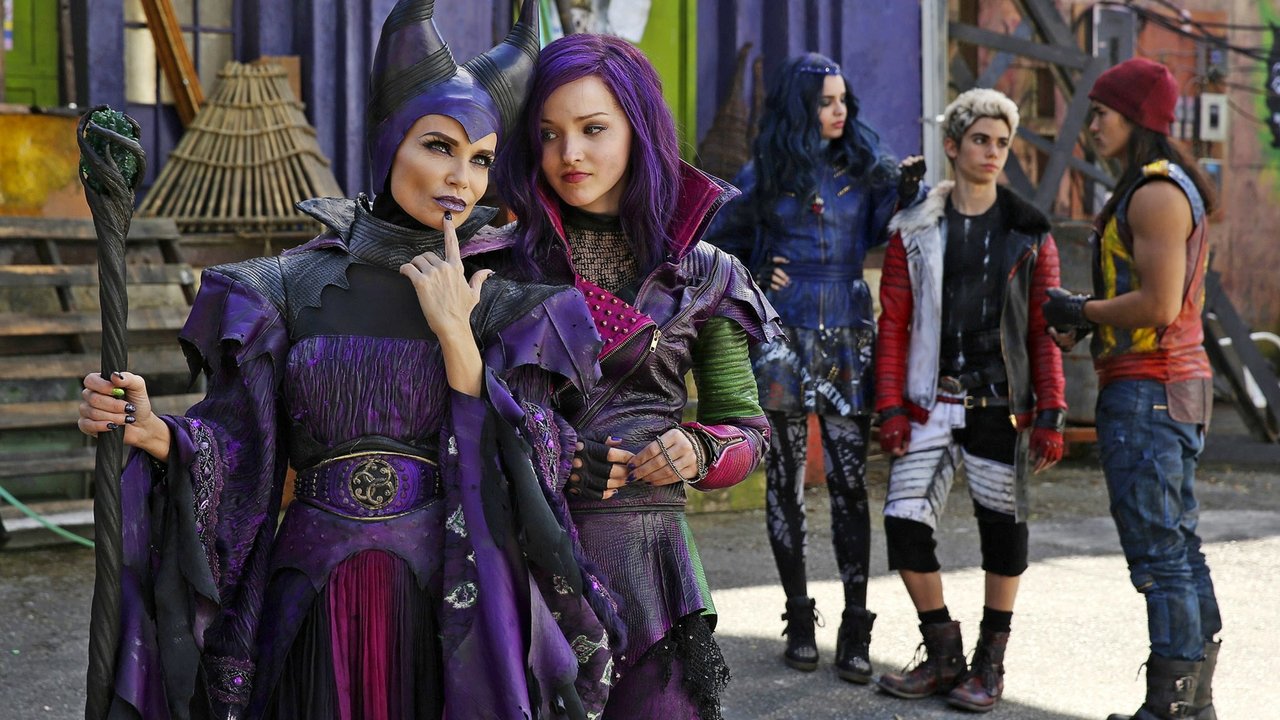
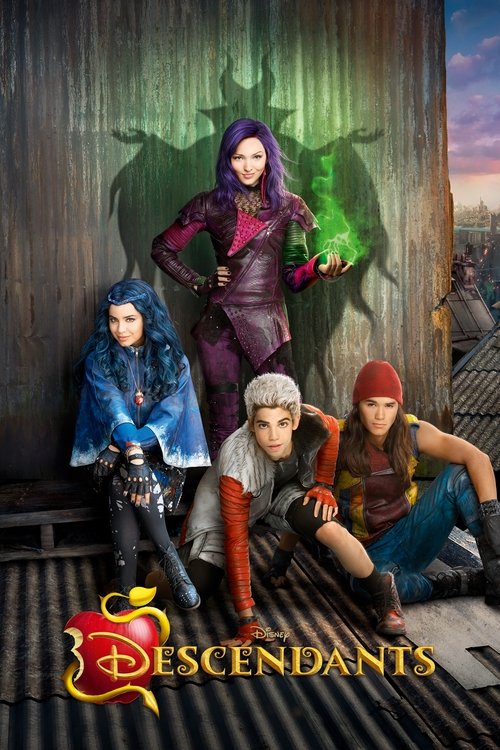
(2015)This Disney musical imagines the teenage children of famous fairy-tale villains being invited from the Isle of the Lost to attend school in Auradon. As they enter a world shaped by heroes, royalty, and magic, the story follows their choices about loyalty, identity, and what kind of people they want to become.
Surface content is fairly mild for a fantasy family movie, but the film’s heavy use of magic, villain-centered humor, and identity messaging give parents more to talk through than the rating alone suggests. Its strongest themes involve whether people are defined by their family line or by the choices they make.
Use the content rating for what children will see and hear, and the Christian guidance rating for what the story encourages them to believe and admire.
Content Indicators

Reviewed 8 January 2026
Rachel focuses on animated films, family viewing habits, and helping parents spot worldview themes quickly.
Descendants Christian Movie Review (2015)
Guidance: Talk Together
Surface content is fairly mild for a fantasy family movie, but the film’s heavy use of magic, villain-centered humor, and identity messaging give parents more to talk through than the rating alone suggests. Its strongest themes involve whether people are defined by their family line or by the choices they make.
Why This Guidance Level
This lands in a middle category because the movie is light on harsh content but weightier in message. The fantasy world is built around magic, curses, and enchanted power, while the story also asks children to sympathize with villain families and think about identity, morality, and authority. That makes it less about shielding from content and more about active family discussion.
Faith & Worldview Perspective
Descendants reflects real truths about mercy, prejudice, and the fact that children are not morally trapped by their parents’ sins. It also argues that people can choose a different path, which can connect with biblical ideas of repentance and new life. The tension is that the film often frames goodness through self-expression and inner desire rather than through truth, holiness, or reconciliation with God. Magic is normal and desirable in the story world, and villainy is often made stylish and funny. Parents may want to discuss how real transformation is deeper than “following your heart” and is found in Jesus Christ, who changes sinners from the inside out.
Truths Reflected
- Children should not be condemned for their parents’ sins, and mercy matters.
- People are responsible for their own choices and can turn from evil.
Tensions to Discuss
- The story leans toward self-defined identity and inner desire as moral guides, which may conflict with a biblical view of truth and the heart.
- Magic and enchanted power are treated as normal tools of control and rescue, which Christian families may want to contrast with trust in God rather than supernatural power outside Christ.
Content & Discernment Markers
Occult & Spiritual Content
- Magic is central to the setting and plot from the opening narration: the villains are confined by “a magical barrier,” the island is described as having “No magic,” and Maleficent sends Mal to steal “the Fairy Godmother“‘s “magic wand.” This matters for Christian families because supernatural power is not just background fantasy here; it drives the story’s conflict and goals. Parents may want to discuss the difference between fairy-tale magic and the Christian hope found in Jesus Christ rather than in power objects.
- Villain lore includes curses and enchanted objects, with Maleficent saying, “When I was your age I was cursing entire kingdoms.” The film treats this with humor and style, which can soften how seriously children take dark spiritual imagery.
Sexuality & Relationships
- Romance content is light, but flirtation is part of the teen tone. In the opening song, one character sings, “So I’m a flirt,” and another parent pushes her daughter toward finding “a prince with a big castle.” The material is mild, but parents may want to discuss how relationships should be shaped by character rather than status or manipulation.
Identity Themes
- A major theme is whether these teens are defined by their villain parents or by their own choices. The song celebrates a dark identity with lines like “They say I’m evil” and “I’m rotten to the core,” even while the larger story questions that label. This may conflict with a biblical view when identity is rooted in attitude or self-creation rather than in truth and, for Christians, new life in Christ. Parents may want to discuss where our deepest identity should come from.
- The film also pushes back against prejudice when the king argues that “their children are innocent” and deserve “a shot at a normal life.” That can support a healthy conversation about justice, mercy, and not judging people only by family background.
Violence & Intensity
- Peril is mostly fantasy-based and verbal rather than graphic. Characters talk about “unspeakable crimes,” “world domination,” and using a wand and scepter to “bend both good and evil” to their will. The tone is theatrical, but younger viewers may still feel the menace around villain plans and magical threats.
- There are also mild scary elements tied to villain imagery and fear of animals, including a line about dogs being “rabid pack animals who eat boys who don’t behave.” The moment plays broadly, but sensitive children may notice it.
Language & Humour
- Language is mostly made up of insults, taunts, and demeaning labels rather than strong profanity. Notable phrases include “stupid,” “knuckleheads,” “freak,” “low-life hood,” “prissy pink princesses,” and “nasty little girl.” The humor often comes from characters being rude or cruel to each other.
Other Content Notes
- Cruelty is sometimes played for laughs in villain family scenes. Maleficent asks, “Do you enjoy watching innocent people suffer?” and gets the casual reply, “Well, yeah, I mean, who doesn’t…” Christian parents may want to discuss why delighting in others’ pain is sinful, even when a movie presents it as witty banter.
- Authority and family pressure are strong themes. Parents push their children toward manipulation, revenge, and status, while the younger characters wrestle with whether to obey. This can open a useful conversation about honoring parents without joining in sin.
Notable Moments
- Second chance decree: The future king argues that the children of villains should be welcomed into Auradon rather than punished for their parents’ sins.
“Dad, their children are innocent. Don’t you think they deserve a shot at a normal life?”
- Wicked identity song: The opening musical number glamorizes a rebellious villain identity while also hinting at hurt and neglect underneath it.
“I’m rotten to the core, core”
- Magic wand mission: Maleficent orders Mal to steal the Fairy Godmother’s wand so she can gain power over both good and evil.
“You will find the Fairy Godmother and you will bring me back her magic wand.”
- Cruelty as humor: A villain scene treats delight in suffering as a joke, showing how the film plays with evil in a light, comic tone.
“Do you enjoy watching innocent people suffer? -Well, yeah, I mean, who doesn’t…”
Discussion Prompts
- Are we defined by our family or by our choices?: The movie says these kids should not be judged only by their parents. What do you think makes a person who they are?
- Biblical guidance: Scripture teaches personal responsibility before God, while also showing that real change comes through repentance and new life, not just self-reinvention.
- Scripture: Ezekiel 18:20, 2 Corinthians 5:17
- What is the difference between following your heart and following truth?: When a character wants to be true to themselves, how do we know whether that choice is actually good?
- Biblical guidance: The Bible warns that the heart can mislead us, and calls us to trust God’s wisdom and the lordship of Jesus Christ.
- Scripture: Jeremiah 17:9, Proverbs 3:5-6
- How should Christians think about magic in fantasy stories?: Did the movie make magical power look exciting, normal, or necessary? How is that different from where Christians place their trust?
- Biblical guidance: Christians do not look to supernatural power objects or occult practices for help; our hope is in God and in Christ.
- Scripture: Deuteronomy 18:10-12, Colossians 2:8
- Why is mercy different from excusing sin?: Auradon gives the villain kids a second chance. What is the difference between showing mercy and pretending evil does not matter?
- Biblical guidance: God is both just and merciful. Christian forgiveness does not deny sin; it faces sin honestly and points to redemption in Christ.
- Scripture: Micah 6:8, Romans 5:8
Common questions about Descendants
- What age is Descendants suitable for?
- Descendants suits children of about 8 and older in most families. That follows its official classification. It is rated M in Australia and New Zealand, and G in the US and Canada. Peril is mostly fantasy-based and verbal rather than graphic. Younger viewers may still enjoy it alongside a parent, and it raises worldview questions worth talking through afterwards.
- Is Descendants okay for a 6-year-old?
- Descendants is generally better suited to children of about 8 and up, so a 6-year-old may find parts of it a stretch. It is rated M in Australia and New Zealand, and G in the US and Canada. Peril is mostly fantasy-based and verbal rather than graphic. Families comfortable watching a little above the classification together may still be fine with it.
Age guidance is derived from this review's content findings and the film's official classifications. It is a starting point for your own judgement, not a rule.
Parent comments
Leave a comment on this review
Share a short note on Descendants, or help other parents with discernment.
Submit will ask you to sign in first.
Weekend family picks
Get the short family movie list before the weekend
Example newsletter: 3 movies to watch this weekend with your family, plus one question to ask after the credits.
Sample: 3 movies to watch this weekend with your family
One cinema pick, one streaming pick, one conversation-starter pick.
Related Articles
A few bigger-picture reads for parents who want more context than a single review page can hold.
Animal Farm And Talking With Kids About Power, Truth, And Sin
Animal Farm can help older children see how slogans, fear, and corrupted authority distort truth, but parents should frame the story with a biblical view of sin.
Read article
Disney And Pixar Films For Christian Families: Why They Still Need Discernment
Disney and Pixar films often feel safer than they really are. This guide helps Christian parents notice the spiritual assumptions, emotional messages, and identity themes that can slip past a quick first impression.
Read article
5 Things To Notice In Kids Movies Before The Message Lands
A child can absorb a movie long before they can explain it. These five checkpoints help Christian parents notice what a film is training the heart to love, fear, excuse, or trust.
Read articleMore Reviews


Official regional ratings
Local ratings remain available for reference, but LionLens separates those classifications from Christian family discernment.
Review Method
How this review was prepared
LionLens reviews are written with subtitle and dialogue evidence where available, official regional ratings data, source research, and final human editorial review before publication.