Human Reviewed
Parent feedback
54 families found this review helpful
Christian Movie Review
Dennis the Menace Christian Movie Review
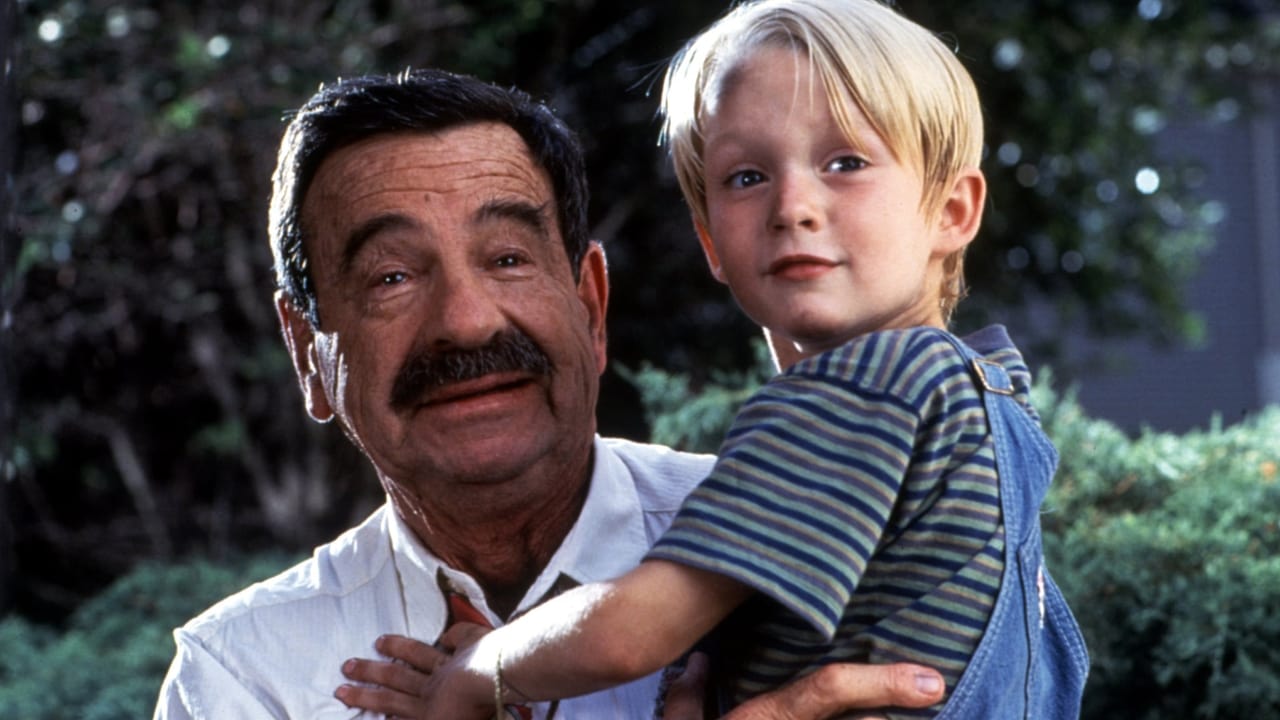
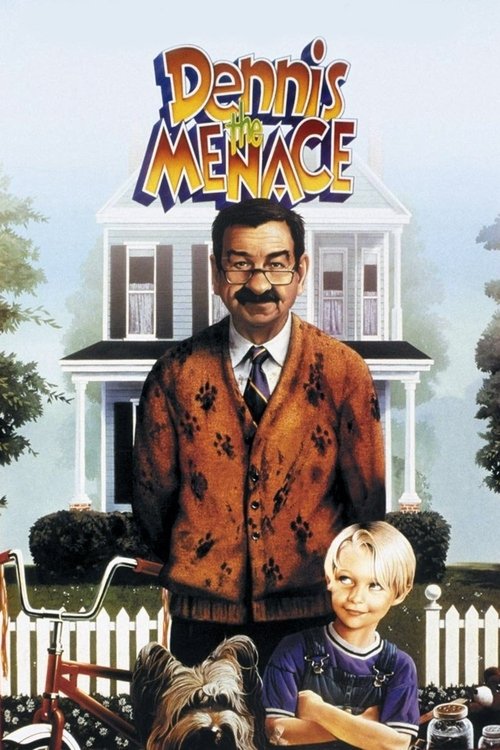
(1993)This family comedy follows Dennis, a well-meaning but chaotic boy whose attempts to help usually turn into trouble for his neighbors and parents. The story leans on slapstick mishaps, neighborhood friction, and childlike mischief in a small-town setting.
The film is light and broadly family-friendly, but it includes repeated slapstick peril, rude insults, and a few sexual or smoking references. Christian families may also want to talk about how the movie treats authority, patience, and the way frustration is handled.
Use the content rating to gauge the slapstick and language, and the Christian guidance to think about the film’s tone toward authority, self-control, and neighbor love.
Content Indicators

Reviewed 15 May 2026
Rachel focuses on animated films, family viewing habits, and helping parents spot worldview themes quickly.
Dennis the Menace Christian Movie Review (1993)
Guidance: Talk Together
The film is light and broadly family-friendly, but it includes repeated slapstick peril, rude insults, and a few sexual or smoking references. Christian families may also want to talk about how the movie treats authority, patience, and the way frustration is handled.
Why This Guidance Level
This is a mild PG comedy, but it is not just gentle silliness. The movie repeatedly uses slapstick harm, insults, threats, and a few sexual and smoking references, while also building much of its humor around irritation and misbehavior. For Christian families, the bigger question is not explicit content but tone: how the film treats authority, patience, and neighborly love. That makes it a good candidate for discussion rather than a simple yes-or-no reaction.
Faith & Worldview Perspective
The film presents a familiar family-comedy world where mischief is funny, adults are often exasperated, and conflict is resolved more through patience than principle. It reflects the value of family care and community life, but it also normalizes sarcasm, retaliation, and contempt as part of the joke. Parents may want to discuss how Jesus calls believers to speak truthfully and kindly even when annoyed.
Truths Reflected
- Family discipline and neighbor relationships matter
- Children need guidance, patience, and correction
Tensions to Discuss
- The film treats insults and angry payback as comic, which can dull the seriousness of unkind speech
- It frames frustration and disrespect as normal responses instead of modeling the self-control and grace Christians are called to show in Christ
Content & Discernment Markers
Occult & Spiritual Content
- Occult material does not stand out here. The film stays grounded in neighborhood comedy and child mischief rather than supernatural or mystical ideas.
Sexuality & Relationships
- There are a few brief relationship and body-related jokes, including a forced-kiss game between children, talk about adults “making out,” and a magazine called “Peep Show.” Parents may want to discuss modesty and why some jokes are meant for older audiences.
Identity Themes
- Dennis is defined by his chaotic energy and good intentions, while Mr. Wilson is the grumpy neighbor who cannot stand him. The film leans into those roles for comedy, and parents may want to discuss how labels like “menace” or “ogre” shape the way people treat one another.
Violence & Intensity
- The movie uses repeated slapstick peril: Dennis shoots an aspirin into Mr. Wilson’s mouth with a slingshot, children threaten to hit or bury one another alive, and the humor often comes from falls, rough play, and comic injury. It is not graphic, but the constant pratfall style gives the film a steady level of physical chaos. Parents may want to discuss the difference between funny mishaps and real harm.
Language & Humour
- Language is mostly rude and insulting rather than profane, with phrases like “lunatic,” “ugly,” “baby rump kisser,” “driving me nuts,” and “I can’t stand that kid.” The tone is sharp enough that families may want to talk about how quickly anger turns into contempt.
Other Content Notes
- Smoking and beer references are mentioned, and the adults’ frustration with Dennis drives much of the comedy. The film’s humor often comes from conflict rather than warmth, even though the family setting remains central.
Notable Moments
- Aspirin slingshot gag: Dennis tries to help Mr. Wilson by shooting an aspirin into his mouth with a slingshot, turning concern into a comic injury gag and setting the tone for the film’s slapstick chaos.
“Your son just shot an aspirin down my throat with a slingshot!”
- Corner discipline: Dennis is sent to sit in the corner and think about what he has done, which gives parents a straightforward moment to discuss correction, obedience, and why intentions do not erase consequences.
“You go sit in the corner and think about what you’ve done.”
- Kiss-me game: A child game turns awkward when Dennis insists on a kiss and the scene becomes a mix of teasing, embarrassment, and childish pressure. It is brief, but it gives parents a chance to talk about boundaries and modest behavior.
“Close your eyes! Kiss me.”
- Neighbor blowup: Mr. Wilson’s frustration boils over as he complains that Dennis is driving him crazy, showing how quickly annoyance becomes harsh speech in the film’s world.
“Your kid is driving me nuts.”
Discussion Prompts
- Patience with difficult people: Why do you think Mr. Wilson gets so upset with Dennis, and how could he have responded differently?
- Biblical guidance: Scripture calls believers to be patient, gentle, and slow to anger, even when others are frustrating.
- Scripture: James 1:19-20, Ephesians 4:29-32
- Words that wound: Which insults in the movie felt funny, and which crossed a line?
- Biblical guidance: The Bible teaches that our words should build others up, not tear them down.
- Scripture: Proverbs 15:1, Colossians 4:6
- Good intentions and real consequences: Dennis often means well but still causes trouble. Why do good intentions not cancel out the harm?
- Biblical guidance: Christian wisdom includes both a good heart and careful action, because love considers the effect on others.
- Scripture: Romans 12:10, Philippians 2:3-4
- Loving neighbors: What would it look like to love a difficult neighbor the way Jesus teaches us to love others?
- Biblical guidance: Jesus Christ calls His people to love even those who irritate them, showing mercy instead of contempt.
- Scripture: Luke 6:27-28, John 13:34-35
Common questions about Dennis the Menace
- What age is Dennis the Menace suitable for?
- Dennis the Menace suits children of about 9 and older in most families. The main reason is sexual content. There are a few brief relationship and body-related jokes, including a forced-kiss game between children, talk about adults “making out,” and a magazine called “Peep Show.”
- Is Dennis the Menace okay for a 7-year-old?
- Dennis the Menace is generally better suited to children of about 9 and up, so a 7-year-old may find parts of it a stretch. There are a few brief relationship and body-related jokes, including a forced-kiss game between children, talk about adults “making out,” and a magazine called “Peep Show.” Families whose children handle sexual content well may still be comfortable watching together.
Age guidance is derived from this review's content findings and the film's official classifications. It is a starting point for your own judgement, not a rule.
Parent comments
Leave a comment on this review
Share a short note on Dennis the Menace, or help other parents with discernment.
Submit will ask you to sign in first.
Weekend family picks
Get the short family movie list before the weekend
Example newsletter: 3 movies to watch this weekend with your family, plus one question to ask after the credits.
Sample: 3 movies to watch this weekend with your family
One cinema pick, one streaming pick, one conversation-starter pick.
Related Articles
A few bigger-picture reads for parents who want more context than a single review page can hold.

Animal Farm And Talking With Kids About Power, Truth, And Sin
Animal Farm can help older children see how slogans, fear, and corrupted authority distort truth, but parents should frame the story with a biblical view of sin.
Read article
5 Things To Notice In Kids Movies Before The Message Lands
A child can absorb a movie long before they can explain it. These five checkpoints help Christian parents notice what a film is training the heart to love, fear, excuse, or trust.
Read article
How To Talk With Kids About Magic, Fate, And Spiritual Themes In Movies
Many family movies use magic, destiny, spirits, or cosmic balance to drive the story. This article helps Christian parents respond without overreacting, while still drawing clear lines back to biblical truth.
Read articleMore Reviews




Official regional ratings
Local ratings remain available for reference, but LionLens separates those classifications from Christian family discernment.
Review Method
How this review was prepared
LionLens reviews are written with subtitle and dialogue evidence where available, official regional ratings data, source research, and final human editorial review before publication.