Human Reviewed
Parent feedback
28 families found this review helpful
Christian Movie Review
Daadi Ki Shaadi Christian Movie Review
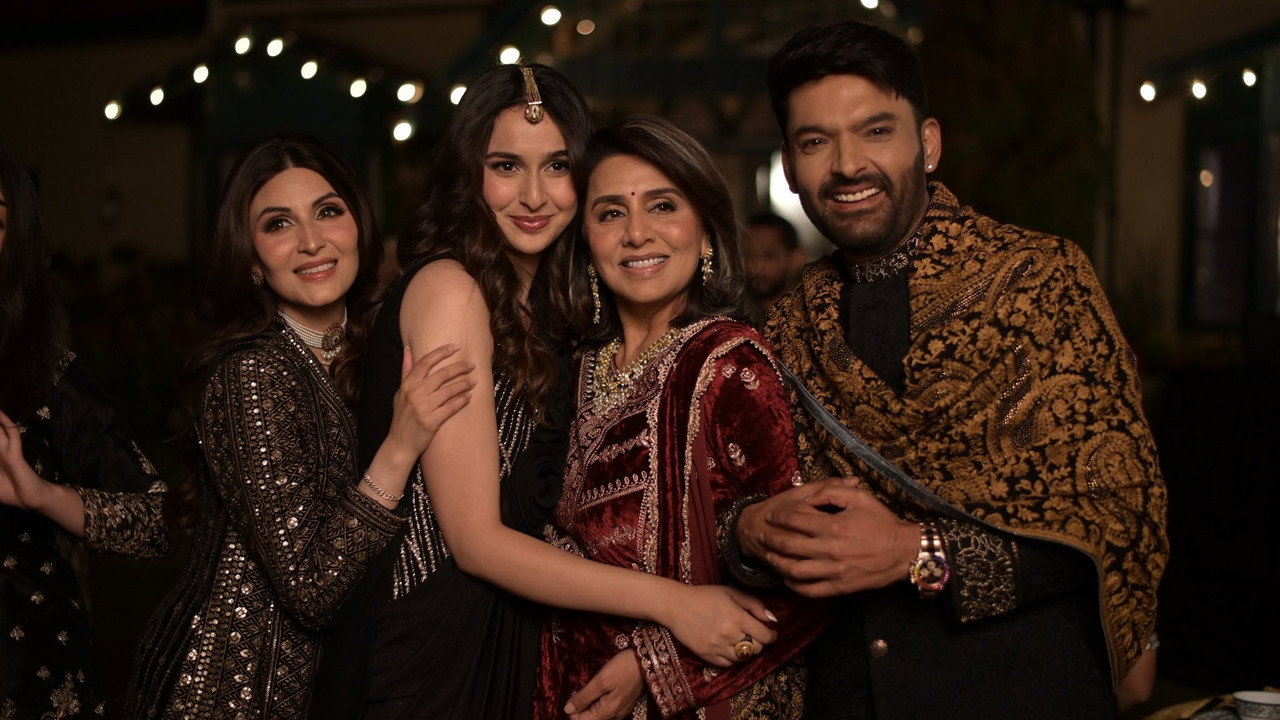
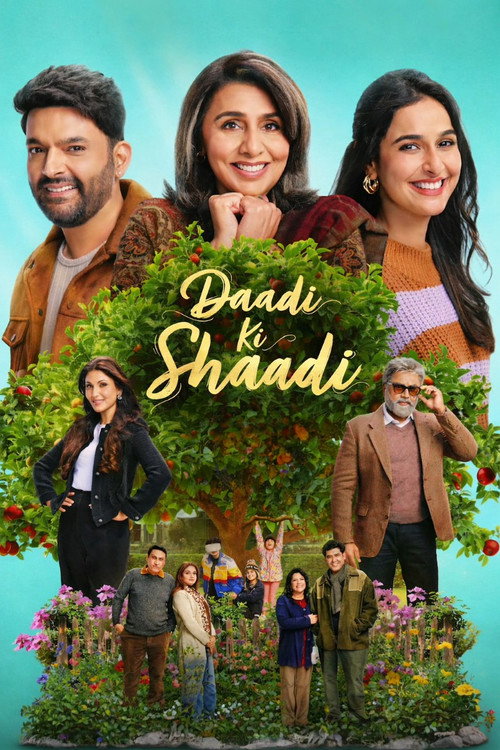
(2026)This family comedy-drama centers on an engagement thrown into chaos when an elderly grandmother decides to marry, upsetting relatives who are deeply concerned about reputation, tradition, and marriage expectations. The story mixes romance, family conflict, travel comedy, and generational tension.
Surface content stays fairly mild, but the film gives families plenty to discuss about marriage, family honor, public shame, and how romance is spoken about. The bigger discernment issue is the worldview around relationships and social approval, not harsh content.
Use the content rating for what children will hear and see, and the Christian guidance rating for what the film may prompt you to discuss.
Content Indicators

Reviewed 14 April 2026
Rachel focuses on animated films, family viewing habits, and helping parents spot worldview themes quickly.
Daadi Ki Shaadi Christian Movie Review (2026)
Guidance: Talk Together
Surface content stays fairly mild, but the film gives families plenty to discuss about marriage, family honor, public shame, and how romance is spoken about. The bigger discernment issue is the worldview around relationships and social approval, not harsh content.
Why This Guidance Level
This lands in the middle because the movie’s surface content is light, but its themes invite real conversation. Family members speak harshly, social shame drives major decisions, and romance is sometimes framed in exaggerated, almost worshipful terms. There is also a brief non-Christian spiritual reference. For many families, the main question is not whether the content is intense, but how the film’s view of love, honor, and family authority compares with Christian truth.
Faith & Worldview Perspective
The film values family bonds, commitment, and persistence, which can resonate with Christian concern for relationships. At the same time, it often lets reputation, marriage timing, and social approval carry more weight than truth, grace, and wise love. A song lyric like “If you ever look away I swear I’d die” pushes romance toward emotional absolutism rather than the ordered love Christians are called to in Christ. Parents may want to discuss how Jesus Christ, not romance or public approval, is the safest center for identity and hope.
Truths Reflected
- Family decisions affect more than one person and should be handled with care.
- Commitment and the desire for lasting relationships are treated as meaningful.
Tensions to Discuss
- Public shame and family reputation are treated as powerful moral guides, which can crowd out truth, mercy, and wise judgment.
- Romantic language sometimes elevates a person into the place only God should hold, making love sound ultimate rather than rightly ordered.
Content & Discernment Markers
Occult & Spiritual Content
- A character mentions flying to Uttarakhand to receive “Mother Goddess’s blessing.” It is brief rather than central, but it places spiritual help outside Christian faith. Parents may want to discuss why Christian hope and prayer are directed to God through Jesus Christ, not other spiritual powers.
Sexuality & Relationships
- The story revolves around engagement, marriage expectations, and a grandmother’s late-life wedding. The material is not explicit, but marriage is treated as a major source of status and family stability.
- A romantic song uses heightened language such as “Feels like heaven itself,” “If you ever look away I swear I’d die,” and “I’d break my fast seeing your face.” The moment matters because it presents romance in near-ultimate terms rather than as a good gift under God.
Identity Themes
- Several scenes frame personal worth through family role and approval, especially in lines like “Only Dad gets to decide her future!” and arguments over whether a grandmother’s remarriage will damage younger relatives’ prospects. Parents may want to discuss where identity should come from.
Violence & Intensity
- Violence does not stand out here. The tension is verbal and relational rather than physical.
Language & Humour
- Language is mostly mild and frustrated. Notable words and phrases include “idiot,” “weird guy,” “What kind of a brother are you!” and a brief “Oh, God.” The tone is more family bickering than coarse profanity.
Other Content Notes
- A social-media post about the grandmother’s wedding becomes a source of embarrassment and conflict: “Grandma’s wedding. She also posted it on social media” and “Look at mom’s Facelook status.” This matters because the film shows how quickly private family matters become public pressure. Parents may want to discuss wise online sharing.
- Family members openly tie marriage decisions to reputation, including the line, “If your mother gets married, then my grandson Tony will not marry your daughter.” The scene highlights conditional acceptance and honor-based pressure rather than grace.
Notable Moments
- Romance as ultimate: A song sequence presents attraction in exaggerated, emotionally absolute language.
“If you ever look away I swear I’d die”
- Family honor pressure: A marriage arrangement is threatened because of the grandmother’s remarriage.
“If your mother gets married, then my grandson Tony will not marry your daughter.”
- Non-Christian blessing reference: A character refers to seeking a goddess’s blessing during conversation.
“and flew to Uttarakhand to get Mother Goddess’s blessing.”
- Public embarrassment online: A social-media post becomes a flashpoint for family shame and conflict.
“Look at mom’s Facelook status.”
Discussion Prompts
- Family authority and personal dignity: When the film says, “Only Dad gets to decide her future,” what is good about family guidance, and what can become unhealthy when control replaces love and wisdom?
- Biblical guidance: Scripture honors parents, but it also treats each person as accountable before God and worthy of dignity. Authority should reflect truth, humility, and care.
- Scripture: Ephesians 6:1-4, Colossians 3:21, Genesis 1:27
- Romance and worship: What do you think about lyrics like “If you ever look away I swear I’d die”? How can love become too important in a person’s heart?
- Biblical guidance: Human love is a gift, but only God deserves ultimate devotion. Jesus Christ gives a deeper security than romance ever can.
- Scripture: Exodus 20:3, Matthew 22:37, Psalm 73:25-26
- Shame, reputation, and truth: Why are so many characters afraid of what other people will say? How should Christians respond when public opinion pressures a family decision?
- Biblical guidance: The fear of people can trap us, but God’s wisdom calls us to truth, mercy, and courage rather than living for appearances.
- Scripture: Proverbs 29:25, Micah 6:8, Galatians 1:10
- Spiritual sources of blessing: The movie mentions getting a “Mother Goddess’s blessing.” How is that different from Christian prayer and hope in Christ?
- Biblical guidance: Christians seek help from the one true God and trust Jesus Christ as the way to the Father, rather than turning to other spiritual powers.
- Scripture: Deuteronomy 6:4-5, John 14:6, 1 Timothy 2:5
Common questions about Daadi Ki Shaadi
- What age is Daadi Ki Shaadi suitable for?
- Daadi Ki Shaadi suits children of about 8 and older in most families. That follows its official classification. It is rated PG in the US, the UK and Canada, and M in Australia and New Zealand. The story revolves around engagement, marriage expectations, and a grandmother's late-life wedding.
- Is Daadi Ki Shaadi okay for a 6-year-old?
- Daadi Ki Shaadi is generally better suited to children of about 8 and up, so a 6-year-old may find parts of it a stretch. It is rated PG in the US, the UK and Canada, and M in Australia and New Zealand. The story revolves around engagement, marriage expectations, and a grandmother's late-life wedding. Families comfortable watching a little above the classification together may still be fine with it.
Age guidance is derived from this review's content findings and the film's official classifications. It is a starting point for your own judgement, not a rule.
Parent comments
Leave a comment on this review
Share a short note on Daadi Ki Shaadi, or help other parents with discernment.
Submit will ask you to sign in first.
Weekend family picks
Get the short family movie list before the weekend
Example newsletter: 3 movies to watch this weekend with your family, plus one question to ask after the credits.
Sample: 3 movies to watch this weekend with your family
One cinema pick, one streaming pick, one conversation-starter pick.
Related Articles
A few bigger-picture reads for parents who want more context than a single review page can hold.

Disney And Pixar Films For Christian Families: Why They Still Need Discernment
Disney and Pixar films often feel safer than they really are. This guide helps Christian parents notice the spiritual assumptions, emotional messages, and identity themes that can slip past a quick first impression.
Read article
How To Talk With Kids About Dragon magic In Family Movies
A parent-friendly guide to discussing dragon magic in family movies through a Christian lens.
Read article
How To Talk With Kids About Mild fantasy peril In Family Movies
A parent-friendly guide to discussing mild fantasy peril in family movies through a Christian lens.
Read articleMore Reviews




Official regional ratings
Local ratings remain available for reference, but LionLens separates those classifications from Christian family discernment.
Review Method
How this review was prepared
LionLens reviews are written with subtitle and dialogue evidence where available, official regional ratings data, source research, and final human editorial review before publication.