Human Reviewed
Parent feedback
23 families found this review helpful
Christian Movie Review
Coraline Christian Movie Review
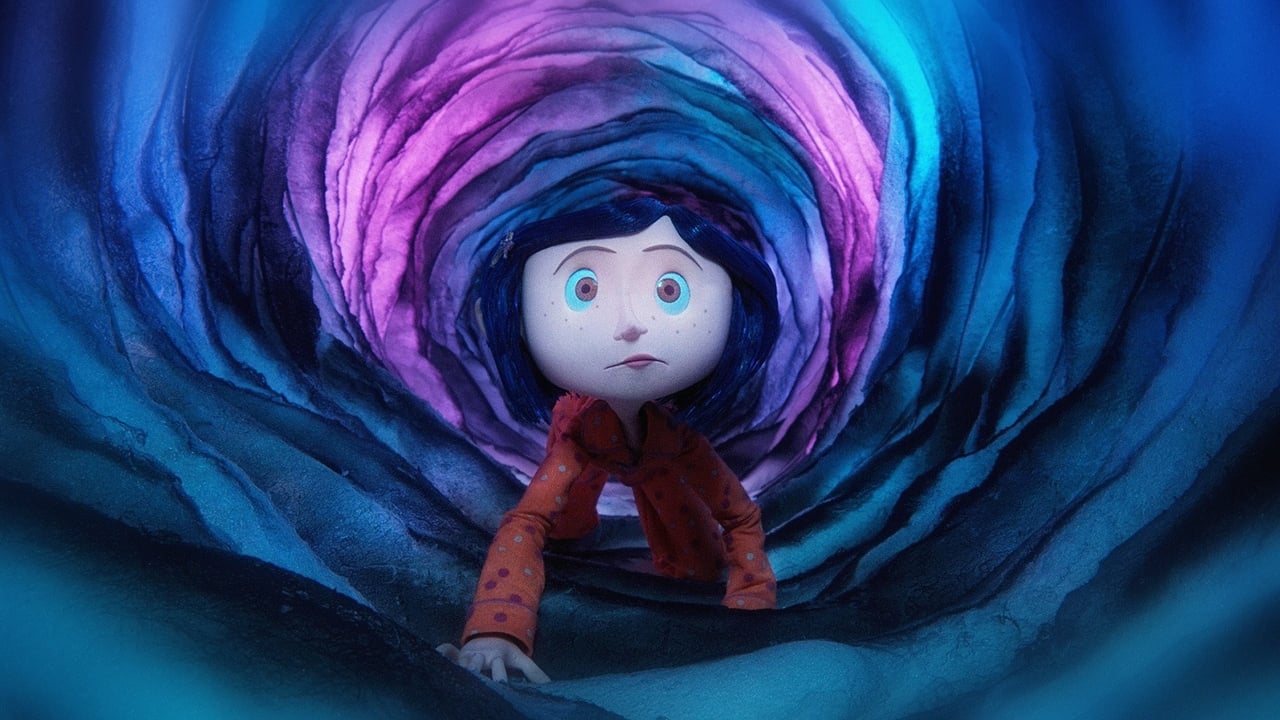
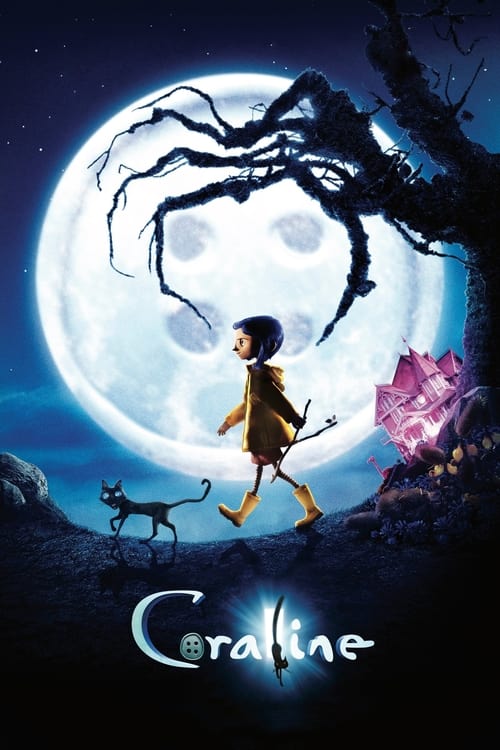
(2009)Coraline is a stop-motion fantasy about a lonely girl who discovers a hidden alternate world that first looks better than her real life. As that world turns threatening, she has to find courage and fight her way back to her real family.
This is a creative and memorable family fantasy, but its creepy tone, child-targeted menace, and dark supernatural imagery can land much heavier than its PG rating suggests. The strongest guidance need is not sexual content or profanity, but fear intensity, deception, and the film's dark spiritual-fantasy framework.
Use the content rating for surface issues and the Christian guidance rating for the deeper conversation the film may invite.
Content Indicators

Reviewed 1 March 2026
Esther handles review quality, clarity, and the practical guidance families need after the credits roll.
Coraline Christian Movie Review (2009)
Guidance: Talk Together
This is a creative and memorable family fantasy, but its creepy tone, child-targeted menace, and dark supernatural imagery can land much heavier than its PG rating suggests. The strongest guidance need is not sexual content or profanity, but fear intensity, deception, and the film’s dark spiritual-fantasy framework.
Why This Guidance Level
This lands in discussion-advised territory because the film’s surface content stays within PG bounds, but the fear factor is sustained and the central threat is unusually personal for children: a counterfeit mother uses comfort, coercion, and supernatural control to trap a child. The movie also offers meaningful family and truth themes, so many households may find it most helpful as a film to process together rather than treat as light background viewing.
Faith & Worldview Perspective
Coraline presents a strong contrast between seductive fantasy and hard reality. The story rightly shows that what looks perfect can be deeply false, and that love without truth becomes control. It also values courage, self-sacrifice, and loyalty to real family over self-centered comfort. The tension is that the film’s spiritual world is built around a dark supernatural evil rather than any reference to God, prayer, or hope in Jesus Christ. Parents may want to discuss how Christians test what is offered to them and cling to truth even when lies feel comforting.
Truths Reflected
- Temptation often comes wrapped in beauty, comfort, and promises of control.
- Imperfect but real love is more trustworthy than a counterfeit version that flatters and manipulates.
Tensions to Discuss
- The story uses a dark supernatural framework outside a Christian understanding of spiritual reality, which may need discussion so children do not absorb fantasy evil and soul imagery uncritically.
- A false mother offers love while demanding surrender and control; this may conflict with a biblical view because real love does not enslave, and Christian parents may want to discuss how Jesus Christ tells the truth and gives life rather than trapping people with lies.
Content & Discernment Markers
Occult & Spiritual Content
- The film centers on a hidden alternate world ruled by a sinister mother figure who uses supernatural power, living dolls, ghostly children, and soul-trapping imagery. This is fantasy rather than real-world occult practice, but the spiritual darkness is strong enough that many Christian families will want to talk about counterfeit wonder and the difference between fantasy power and Christian hope in Christ.
Sexuality & Relationships
- Sexual content is not a main issue. Relationship material is centered on family bonds, belonging, and a child’s longing to be seen and loved.
Identity Themes
- Coraline is drawn toward a version of life where everything is tailored to her desires, then learns that identity cannot be built on getting everything she wants. Parents may want to discuss gratitude, contentment, and why being loved is different from being indulged.
Violence & Intensity
- One of the film’s most disturbing threats is the demand that Coraline let buttons be sewn into her eyes. The dialogue is direct: “No way! You’re not sewing buttons in my eyes!” followed by “But we need a ‘yes’ if you want to stay here” and “So sharp you won’t feel a thing.” For Christian families, this matters because the scene combines body horror, coercion, and false kindness.
- Coraline is physically grabbed, confined, and hurt during confrontations, including cries of “Ow! What are you doing? Ow! That hurts!” The danger is personal and child-focused rather than large-scale action violence.
- The story includes trapped children, threats from the false mother, and repeated escape peril. The fear comes less from gore and more from helplessness, pursuit, and the sense that a child is being hunted and controlled.
Language & Humour
- Language is mild overall, with a brief “Oh, God” and some insults or sharp put-downs in tense moments. It is not a profanity-heavy film, but parents who avoid casual use of God’s name may still want to note it.
Other Content Notes
- Psychological manipulation is a major concern. The false mother says, “We only want what’s best for you,” “Soon you’ll see things our way,” and repeatedly pressures Coraline for consent while removing her freedom. Parents may want to discuss how manipulation often sounds caring on the surface.
- The repeated lullaby-like command “Go to sleep” adds a hypnotic, oppressive tone that may unsettle younger viewers even more than the action scenes.
- There is dark dialogue about children being lured, trapped, and having their lives consumed: “She said that she loved us. But she locked us here. And ate up our lives.” That line gives the story a heavier spiritual-horror edge than many family fantasies.
Notable Moments
- Button-eyes coercion: The false mother offers a perfect life but demands a permanent surrender of Coraline’s eyes, turning comfort into horror.
“No way! You’re not sewing buttons in my eyes!”
- Manipulative consent: The threat is framed as a choice, but the entire scene is built on pressure and deception.
“But we need a “yes” if you want to stay here.”
- Hypnotic fear tone: A repeated command creates a dreamlike, oppressive atmosphere that can be especially intense for children.
“Go to sleep. Go to sleep. Go to sleep.”
- Dark fate of trapped children: Ghost children explain that the false mother lured them with gifts and then consumed their lives.
“She said that she loved us. But she locked us here. And ate up our lives.”
Discussion Prompts
- Temptation and counterfeit promises: Why did the other world feel so attractive at first, and what made it dangerous underneath?
- Biblical guidance: Sin and deception often look appealing before their cost is clear. Christians are called to test what is offered and not be ruled by appearances.
- Scripture: Genesis 3:6, Proverbs 14:12, 1 John 4:1
- Real love versus controlling love: How can you tell the difference between someone who truly loves you and someone who wants to control you?
- Biblical guidance: Biblical love is patient, truthful, and self-giving, not manipulative or coercive. Jesus Christ does not trap people with lies; He calls them into truth and life.
- Scripture: 1 Corinthians 13:4-7, John 8:31-32, John 10:10
- Gratitude for imperfect family life: What did Coraline learn about her real parents and real home after chasing a perfect version?
- Biblical guidance: The film can open a conversation about contentment, gratitude, and honoring family even when life feels disappointing.
- Scripture: Exodus 20:12, Philippians 2:14, 1 Thessalonians 5:18
- Courage in the face of fear: What helped Coraline keep going when she was scared, and where should Christians turn when they feel afraid?
- Biblical guidance: Courage is not pretending fear is gone; it is choosing what is right in the middle of fear. Christian courage is grounded in God’s presence and care.
- Scripture: Joshua 1:9, Psalm 56:3-4, 2 Timothy 1:7
Common questions about Coraline
- What age is Coraline suitable for?
- Coraline suits children of about 9 and older in most families. The main reason is violence and peril. One of the film's most disturbing threats is the demand that Coraline let buttons be sewn into her eyes. Younger viewers may still enjoy it alongside a parent, and it raises worldview questions worth talking through afterwards.
- Is Coraline okay for a 7-year-old?
- Coraline is generally better suited to children of about 9 and up, so a 7-year-old may find parts of it a stretch. One of the film's most disturbing threats is the demand that Coraline let buttons be sewn into her eyes. Families whose children handle violence and peril well may still be comfortable watching together.
Age guidance is derived from this review's content findings and the film's official classifications. It is a starting point for your own judgement, not a rule.
Parent comments
Leave a comment on this review
Share a short note on Coraline, or help other parents with discernment.
Submit will ask you to sign in first.
Weekend family picks
Get the short family movie list before the weekend
Example newsletter: 3 movies to watch this weekend with your family, plus one question to ask after the credits.
Sample: 3 movies to watch this weekend with your family
One cinema pick, one streaming pick, one conversation-starter pick.
Related Articles
A few bigger-picture reads for parents who want more context than a single review page can hold.

How To Talk With Kids About Magic, Fate, And Spiritual Themes In Movies
Many family movies use magic, destiny, spirits, or cosmic balance to drive the story. This article helps Christian parents respond without overreacting, while still drawing clear lines back to biblical truth.
Read article
How To Talk With Kids About Dragon magic In Family Movies
A parent-friendly guide to discussing dragon magic in family movies through a Christian lens.
Read article
How To Talk With Kids About Mild fantasy peril In Family Movies
A parent-friendly guide to discussing mild fantasy peril in family movies through a Christian lens.
Read articleMore Reviews



Official regional ratings
Local ratings remain available for reference, but LionLens separates those classifications from Christian family discernment.
Review Method
How this review was prepared
LionLens reviews are written with subtitle and dialogue evidence where available, official regional ratings data, source research, and final human editorial review before publication.