Human Reviewed
Parent feedback
64 families found this review helpful
Christian Movie Review
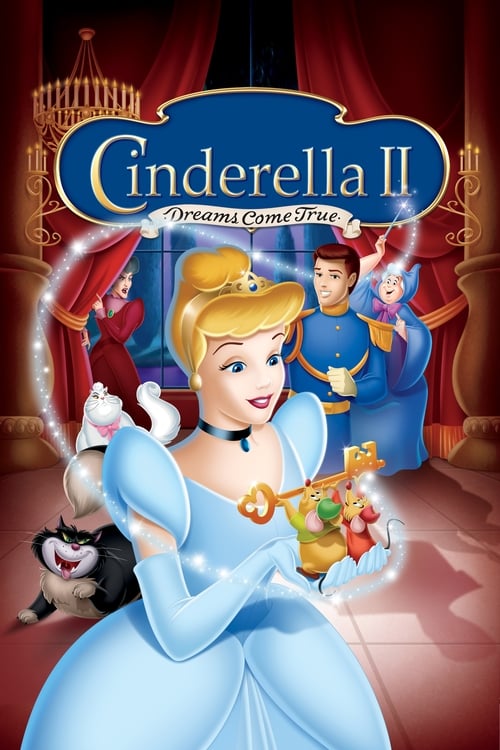
Cinderella II: Dreams Come True Christian Movie Review
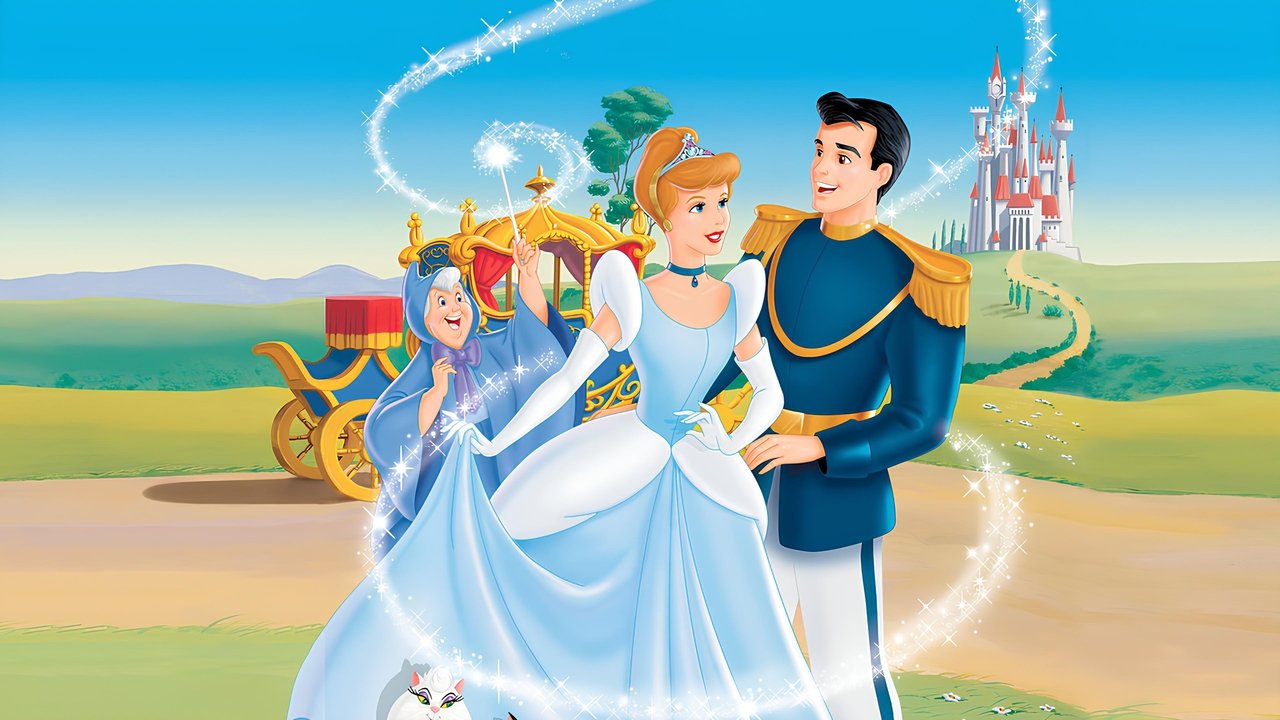
(2002)This animated sequel follows Cinderella as she adjusts to life in the castle and prepares to host a royal banquet. The story mixes palace etiquette, comic mishaps, and familiar Disney-style friendship and romance.
Surface content stays very light, with mild cartoon chaos and brief romantic moments. The main discernment issue is the film’s emphasis on etiquette, identity, and old-fashioned expectations for women, which may invite good family conversation.
Use the content rating for age-appropriateness and the Christian guidance rating for the film’s message about identity, duty, and tradition.
Content Indicators

Reviewed 21 May 2026
Micah covers action, fantasy, and franchise releases, with close attention to violence, spiritual themes, and moral framing.
Cinderella II: Dreams Come True Christian Movie Review (2002)
Guidance: Low Concern
Surface content stays very light, with mild cartoon chaos and brief romantic moments. The main discernment issue is the film’s emphasis on etiquette, identity, and old-fashioned expectations for women, which may invite good family conversation.
Why This Guidance Level
This is a very mild family sequel on the surface, with little more than comic confusion, brief kisses, and gentle palace mishaps. The main reason for any discernment is the film’s repeated focus on etiquette, class expectations, and a narrow picture of princess life, which is worth discussing but not heavy enough to make the movie a major concern.
Faith & Worldview Perspective
The film affirms kindness, friendship, responsibility, and the value of being true to oneself. At the same time, it frames identity through royal status, social rules, and princess performance, so parents may want to help children think about dignity, calling, and worth in Christ rather than in titles or outward polish.
Truths Reflected
- People flourish when they act with honesty and courage.
- Friendship and help from others can support a person in hard tasks.
Tensions to Discuss
- The story leans on status and etiquette as markers of value, which can crowd out a Christian view of worth rooted in being made by God and known in Christ.
- It treats tradition as something to obey unless changed by the right person, so children may need help distinguishing wise order from merely human rules.
Content & Discernment Markers
Occult & Spiritual Content
- Fairy Godmother uses magical help to create the storybook and guide the mice, with the familiar “Bibbidi bobbidi boo” spell language. The magic is playful and non-threatening, but it still presents supernatural help outside a Christian frame, so parents may want to note that the story treats enchantment as ordinary fairy-tale power.
Sexuality & Relationships
- Romance stays very light, with Cinderella and the prince presented as a married couple and brief kisses mentioned in the film’s family guidance. The relationship content is sweet and non-explicit, but parents may want to talk about how marriage is portrayed mainly through royal fairy-tale romance.
Identity Themes
- Cinderella says, “I’ve been trying to obey someone else’s rules about who I should be… and how I should dress,” then decides, “I just have to stop trying to be someone else.” That message can encourage healthy confidence, but it also sits alongside a world where worth is tied to being a princess, so parents may want to discuss identity in Christ rather than in image or rank.
Violence & Intensity
- The tension is mostly comic and mild, with characters rushing around, a princess being reported missing, and slapstick confusion during palace lessons. The film keeps peril light and never turns frightening, so parents may want to reassure younger children that the chaos is playful rather than dangerous.
Language & Humour
- Language is gentle and mostly made up of exclamations and teasing like “Oh, my,” “This is a disaster,” and “It simply isn’t done.” The sharpest lines are social rather than profane, so the main concern is tone, not coarse speech.
Other Content Notes
- A large part of the story centers on palace rules, breakfast etiquette, seating order, and the idea that “a princess never prepares her own meals.” This gives the film a strong tradition-versus-change thread, and parents may want to discuss whether human customs should ever outrank wisdom, humility, and love.
Notable Moments
- Banquet responsibility: The king assigns Cinderella the royal banquet and insists she learn palace duties quickly, setting up the film’s main conflict between duty and self-expression.
“The royal banquet will be Cinderella’s responsibility now.”
- Rules about breakfast: Prudence tries to train Cinderella into strict castle etiquette, turning ordinary breakfast into a lesson about class and control.
“Your Highness, a princess never prepares her own meals.”
- Being yourself: Cinderella rejects the pressure to fit someone else’s expectations and chooses to lead in her own way.
“I just have to stop trying to be someone else.”
Discussion Prompts
- Identity and worth: What does Cinderella learn about who she is, and how is that different from finding identity in Jesus Christ?
- Biblical guidance: Scripture teaches that our worth comes from being made by God and redeemed in Christ, not from rank, appearance, or other people’s expectations.
- Scripture: Ephesians 2:10, Galatians 2:20, 1 Peter 2:9
- Tradition and wisdom: When do rules help people, and when can they become empty traditions that matter more than love?
- Biblical guidance: The Bible values order and wisdom, but Jesus also corrected traditions that replaced mercy and truth.
- Scripture: Mark 7:8-13, Colossians 2:20-23, 1 Corinthians 14:40
- Serving with humility: How does Cinderella’s role as a hostess compare with the Bible’s picture of serving others with humility?
- Biblical guidance: Christian leadership is marked by humble service, not by status or self-importance.
- Scripture: Mark 10:45, Philippians 2:3-5, 1 Peter 5:5-6
Common questions about Cinderella II: Dreams Come True
- What age is Cinderella II: Dreams Come True suitable for?
- Cinderella II: Dreams Come True suits all ages, including young children.
- Can young children watch Cinderella II: Dreams Come True?
- Yes. Cinderella II: Dreams Come True is gentle enough for young children, with nothing in the content that needs an older audience.
Age guidance is derived from this review's content findings and the film's official classifications. It is a starting point for your own judgement, not a rule.
Parent comments
Leave a comment on this review
Share a short note on Cinderella II: Dreams Come True, or help other parents with discernment.
Submit will ask you to sign in first.
Weekend family picks
Get the short family movie list before the weekend
Example newsletter: 3 movies to watch this weekend with your family, plus one question to ask after the credits.
Sample: 3 movies to watch this weekend with your family
One cinema pick, one streaming pick, one conversation-starter pick.
Related Articles
A few bigger-picture reads for parents who want more context than a single review page can hold.
Animal Farm And Talking With Kids About Power, Truth, And Sin
Animal Farm can help older children see how slogans, fear, and corrupted authority distort truth, but parents should frame the story with a biblical view of sin.
Read article
Hoppers And Talking With Kids About Bodies, Identity, And Creation Care
Hoppers gives families a chance to talk about creation care, embodied identity, and whether good causes justify reckless choices.
Read article
Spotting Identity Messages In Family Films
A large number of modern family stories revolve around identity, self-expression, and becoming who you already are inside. Christian parents need a simple way to notice those messages and talk about them clearly.
Read articleMore Reviews



Official regional ratings
Local ratings remain available for reference, but LionLens separates those classifications from Christian family discernment.
Review Method
How this review was prepared
LionLens reviews are written with subtitle and dialogue evidence where available, official regional ratings data, source research, and final human editorial review before publication.