Human Reviewed
Parent feedback
61 families found this review helpful
Christian Movie Review
Cinderella Christian Movie Review
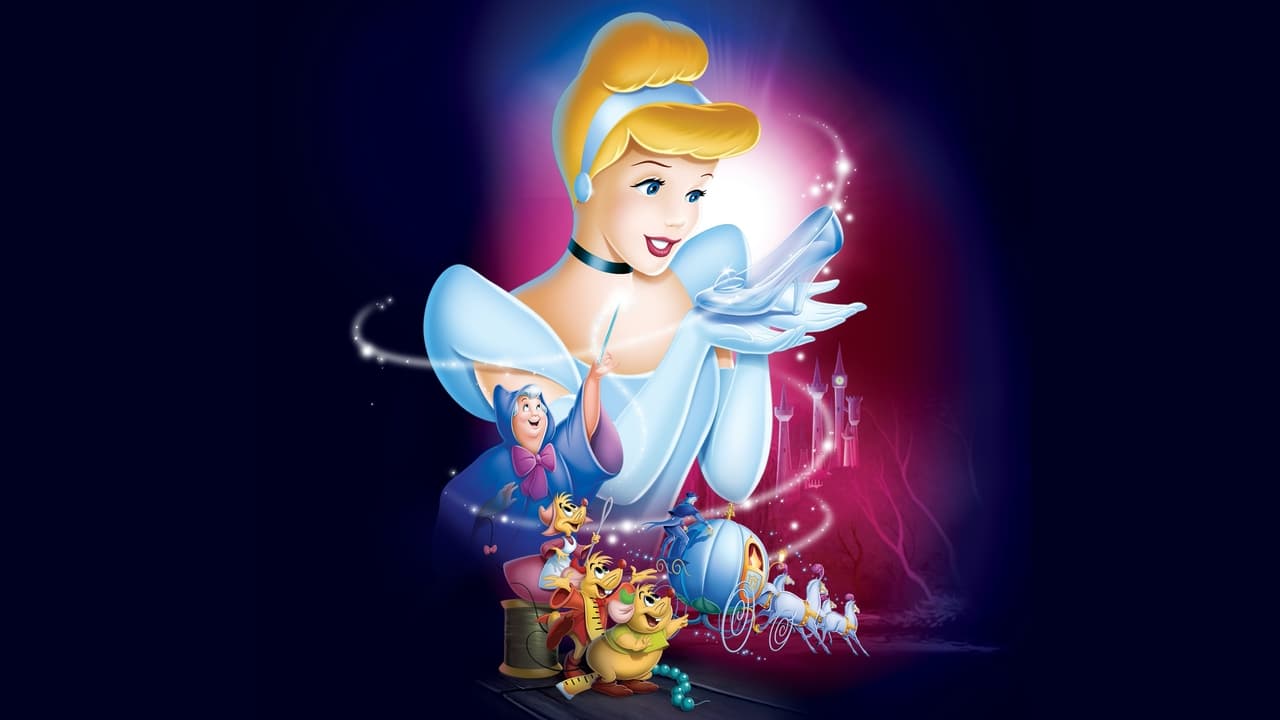
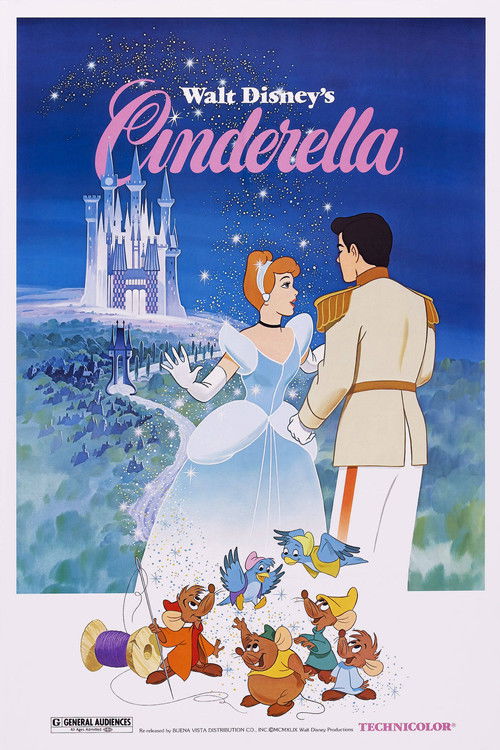
(1950)This classic Disney fairy tale follows Cinderella, a gentle young woman mistreated by her stepfamily who finds help from animal friends and a fairy godmother as she hopes to attend the royal ball. The story centers on kindness, perseverance, romance, and a familiar happily-ever-after ending.
This is very mild overall, but it includes sustained bullying, tense chase scenes, and a worldview that leans heavily on romantic rescue and fairy-tale wish fulfillment. Christian families may want to talk about patience, dignity, and where true hope is found.
Use the surface-content rating for the bullying and peril, and the Christian guidance rating for the story’s message about hope, identity, and romance.
Content Indicators

Reviewed 6 May 2026
Micah covers action, fantasy, and franchise releases, with close attention to violence, spiritual themes, and moral framing.
Cinderella Christian Movie Review (1950)
Guidance: Talk Together
This is very mild overall, but it includes sustained bullying, tense chase scenes, and a worldview that leans heavily on romantic rescue and fairy-tale wish fulfillment. Christian families may want to talk about patience, dignity, and where true hope is found.
Why This Guidance Level
This is a gentle family film with very mild surface content, but the emotional treatment of Cinderella is sustained and the story’s message deserves attention. The movie celebrates kindness and perseverance, yet it also leans on fairy-godmother magic, romantic rescue, and the idea that a better life comes through dreaming and being chosen. That makes it a good fit for some family discussion, especially if parents want to connect the story to Christian hope, dignity, and wise expectations about love and suffering.
Faith & Worldview Perspective
The film’s moral center is clear: Cinderella is patient, kind, and forgiving while her stepfamily is selfish and cruel. It also treats romance and transformation as the main path to happiness, and the fairy-godmother framework gives the story a magical rather than Christian source of rescue. Parents may want to discuss how Christian hope rests in Jesus Christ, not in luck, beauty, or being chosen by a prince.
Truths Reflected
- Kindness and gentleness matter even under hardship
- Perseverance and hope can sustain a person through suffering
Tensions to Discuss
- The story places romantic rescue and marriage at the center of fulfillment rather than contentment in God
- The fairy-godmother magic and wish-based hope sit outside a Christian understanding of providence and hope in Christ
Content & Discernment Markers
Occult & Spiritual Content
- A fairy godmother transforms the evening through magic, including the famous wish-fulfillment setup around the ball and the line, “If you keep on believing / The dream that you wish / Will come true.” The magic is whimsical rather than dark, but Christian families may want to discuss how this differs from trusting God’s care in Christ.
Sexuality & Relationships
- Romance and marriage drive the plot, with the prince’s ball and the search for a bride treated as the story’s main prize. Cinderella shares a brief chaste kiss with the prince, and the film frames marriage as the happy ending.
Identity Themes
- Cinderella is defined by her gentleness, patience, and hope even while others treat her as a servant. The film praises her character, but it also suggests that being chosen and rescued is the key to a better life; parents may want to discuss identity rooted in being made by God, not in appearance or social elevation.
Violence & Intensity
- The film has repeated bullying and some tense peril, especially when Lucifer chases the mice and when Cinderella’s stepfamily tears apart her ball gown. The danger is stylized and not graphic, but the emotional cruelty is persistent and may trouble younger viewers.
Language & Humour
- Language is light overall, with insults and sharp comic put-downs such as “stupid,” “pompous windbag,” “Hold your tongue!” and repeated bossy commands like “Clean it!” and “Do them again!” Parents may want to note how the film normalizes unkind speech inside the household.
Other Content Notes
- The opening narration describes Cinderella as “abused, humiliated, and finally forced to become a servant in her own house,” which sets the emotional tone early. The story also includes a little smoking from the king and grand duke, but it is brief and not a major feature.
Notable Moments
- Opening abuse: The narration establishes Cinderella’s situation as one of humiliation and servitude, making the family conflict the emotional foundation of the film.
“Cinderella was abused, humiliated, and finally forced to become a servant in her own house.”
- Dreaming through hardship: Cinderella’s song about believing in dreams captures the film’s hopeful tone, but it also raises questions about where hope should rest.
“If you keep on believing / The dream that you wish / Will come true”
- Fairy godmother magic: The magical transformation for the ball is one of the film’s signature moments and the clearest spiritual-worldview element.
“Have faith in your dreams”
- Household cruelty: The stepmother’s commands show the controlling and demeaning atmosphere Cinderella lives under.
“Clean it! Wash them! Do them again!”
Discussion Prompts
- Hope in hardship: What helps Cinderella keep going when people are cruel to her, and how is that different from Christian hope?
- Biblical guidance: The Bible calls believers to endure with patience and to place their hope in the Lord, not in circumstances or wishes.
- Scripture: Romans 12:12, Psalm 42:11
- Kindness under pressure: Why does Cinderella stay gentle, and what does Jesus teach about responding to mistreatment?
- Biblical guidance: Christ calls His people to bless others, even when they are treated unfairly, while still recognizing that cruelty is wrong.
- Scripture: Matthew 5:44, 1 Peter 3:9
- Love and identity: Why does the story make marriage and being chosen by the prince feel like the big reward, and what does God say gives a person worth?
- Biblical guidance: A Christian view roots identity in being made in God’s image and redeemed in Christ, not in appearance, status, or romantic attention.
- Scripture: Genesis 1:27, Ephesians 1:4-7
Common questions about Cinderella
- What age is Cinderella suitable for?
- Cinderella suits children of about 6 and older in most families. The main reason is violence and peril. The film has repeated bullying and some tense peril, especially when Lucifer chases the mice and when Cinderella’s stepfamily tears apart her ball gown.
- Is Cinderella okay for a 4-year-old?
- Cinderella is generally better suited to children of about 6 and up, so a 4-year-old may find parts of it a stretch. The film has repeated bullying and some tense peril, especially when Lucifer chases the mice and when Cinderella’s stepfamily tears apart her ball gown. Families whose children handle violence and peril well may still be comfortable watching together.
Age guidance is derived from this review's content findings and the film's official classifications. It is a starting point for your own judgement, not a rule.
Parent comments
Leave a comment on this review
Share a short note on Cinderella, or help other parents with discernment.
Submit will ask you to sign in first.
Weekend family picks
Get the short family movie list before the weekend
Example newsletter: 3 movies to watch this weekend with your family, plus one question to ask after the credits.
Sample: 3 movies to watch this weekend with your family
One cinema pick, one streaming pick, one conversation-starter pick.
Related Articles
A few bigger-picture reads for parents who want more context than a single review page can hold.

How To Talk With Kids About Magic, Fate, And Spiritual Themes In Movies
Many family movies use magic, destiny, spirits, or cosmic balance to drive the story. This article helps Christian parents respond without overreacting, while still drawing clear lines back to biblical truth.
Read article
What Christian Parents Can Discuss After Ruby Gillman, Teenage Kraken
A practical post-movie conversation guide for Christian parents after watching Ruby Gillman, Teenage Kraken.
Read article
Animal Farm And Talking With Kids About Power, Truth, And Sin
Animal Farm can help older children see how slogans, fear, and corrupted authority distort truth, but parents should frame the story with a biblical view of sin.
Read articleMore Reviews



Official regional ratings
Local ratings remain available for reference, but LionLens separates those classifications from Christian family discernment.
Review Method
How this review was prepared
LionLens reviews are written with subtitle and dialogue evidence where available, official regional ratings data, source research, and final human editorial review before publication.