
Human Reviewed
Parent feedback
54 families found this review helpful
Christian Movie Review
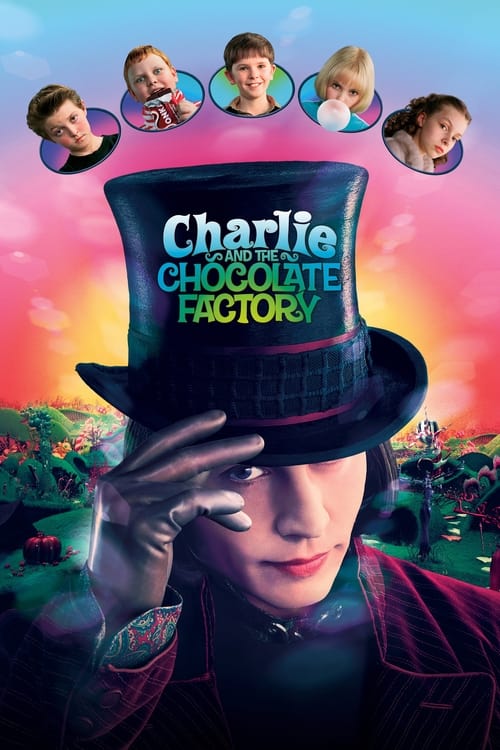
Charlie and the Chocolate Factory Christian Movie Review
(2005)This fantasy family film follows Charlie Bucket, a poor but kind boy who wins a chance to tour Willy Wonka's mysterious chocolate factory. Inside, Charlie and four other children encounter strange inventions, moral tests, and the promise of a life-changing prize.
This is a visually imaginative family adventure with mild threat, a little crude or sharp language, and several scenes where selfish children are mocked or humiliated. Its strongest family discussion points are gratitude, greed, family loyalty, and the way success is tied to character.
Use the content rating for surface issues and the Christian guidance rating for the movie's deeper messages and discussion needs.
Content Indicators

Reviewed 26 March 2026
Rachel focuses on animated films, family viewing habits, and helping parents spot worldview themes quickly.
Charlie and the Chocolate Factory Christian Movie Review (2005)
Guidance: Talk Together
This is a visually imaginative family adventure with mild threat, a little crude or sharp language, and several scenes where selfish children are mocked or humiliated. Its strongest family discussion points are gratitude, greed, family loyalty, and the way success is tied to character.
Why This Guidance Level
This lands in the middle because the surface content is usually manageable for a family film, but the story gives parents several worthwhile conversations about greed, class, family love, and the way flawed authority figures judge others. The movie’s moral world is not hostile to Christian truth, yet it benefits from discussion so children can connect its lessons to deeper biblical wisdom.
Faith & Worldview Perspective
The story honors humility, perseverance, and love for family, especially through Charlie’s contentment in hardship. It also exposes greed and selfishness in memorable ways. At the same time, the film places unusual moral authority in Willy Wonka, whose wounded past and eccentric standards shape the outcome more than any clear appeal to God, repentance, or grace. Parents may want to discuss how true wisdom and hope are grounded in Jesus Christ, not merely in being chosen by a powerful benefactor.
Truths Reflected
- Contentment and love within a poor family are shown as more valuable than wealth and status.
- Greed, envy, and entitlement lead to destructive choices and public shame.
Tensions to Discuss
- The story’s justice is largely controlled by Willy Wonka’s personal judgment rather than by a clear picture of mercy, repentance, and truth under God.
- Wonder and reward are tied to a mysterious human figure, so parents may want to contrast that with Christian hope in Christ rather than in worldly prizes or approval.
Content & Discernment Markers
Occult & Spiritual Content
- Occult material does not stand out here. The film uses fantasy invention and exaggerated imagination rather than spiritual practice or supernatural teaching. Parents may still want to remind children that wonder and mystery are not the same as spiritual truth.
Sexuality & Relationships
- Sexual content is not a meaningful part of the film. Relationships are centered on family bonds, especially Charlie’s affection for his parents and grandparents.
Identity Themes
- Charlie’s identity is shaped by poverty, but the story treats his worth as deeper than money or status: ‘His family was not rich or powerful or well-connected.’ This can open a helpful talk about finding dignity in being loved by God rather than in possessions or social standing.
Violence & Intensity
- The movie includes mild threat and peril tied to the factory tour, with children facing consequences in exaggerated, sometimes unsettling ways. The tone is fantastical rather than graphic, but younger viewers may still be bothered by scenes of danger and humiliation.
- There is also a darker backstory around betrayal and secrecy in the candy business, including the line that rivals ‘began sending in spies to steal his secret recipes.’ This adds intrigue more than violence, but it contributes to the film’s uneasy tone.
Language & Humour
- Language is mild overall. One notable crude line comes when Charlie says, ‘Grandpa, don’t make it gross,’ during a story about the chocolate factory. External ratings also note mild bad language, including ‘hell.‘
Other Content Notes
- Poverty is a major part of the story’s emotional setting: ‘In fact, they barely had enough to eat,’ and the family jokes about having cabbage with cabbage soup. These scenes are tender rather than exploitative, but they may prompt questions about hardship, gratitude, and God’s care.
- The film repeatedly contrasts Charlie’s restraint with a culture of excess, especially around the golden tickets and the frenzy to buy candy bars. Parents may want to discuss how greed can distort desire and how contentment honors God.
Notable Moments
- Bucket family poverty: The opening establishes Charlie’s hardship and the family’s lack of food, while still presenting warmth and affection in the home.
“In fact, they barely had enough to eat.”
- Factory mystery: Grandpa Joe describes the factory as closed to the world, building suspense and wonder around Willy Wonka’s hidden world.
“Nobody knows, Charlie. It certainly is a mystery.”
- Golden ticket announcement: Wonka’s public invitation launches the story’s contest and raises questions about fairness, desire, and what children are willing to chase.
“I, Willy Wonka… have decided to allow five children to visit my factory this year.”
Discussion Prompts
- Contentment and gratitude: Charlie has very little, yet he is loving and thankful. What helps a person stay content when life feels unfair?
- Biblical guidance: Scripture teaches contentment and trust in God’s care rather than envy of what others have.
- Scripture: Philippians 4:11-13, 1 Timothy 6:6-8
- Greed and self-control: How do the children in the story show greed or entitlement, and what does that do to them?
- Biblical guidance: The Bible warns that unchecked desire can rule the heart, while wisdom learns self-control.
- Scripture: Luke 12:15, Proverbs 25:28
- Family loyalty and honor: Why is Charlie’s love for his family so important in the story, and how does that compare with what God asks of us at home?
- Biblical guidance: God values honoring family, sacrificial love, and caring for one another in hardship.
- Scripture: Ephesians 6:1-3, 1 Timothy 5:8
- Justice, mercy, and true hope: Willy Wonka decides who is worthy in the factory. How is that different from the way Jesus Christ deals with people in truth and grace?
- Biblical guidance: Christian hope rests in Christ, who is perfectly just and merciful, not in winning favor from a powerful human figure.
- Scripture: John 1:14, Micah 6:8, Ephesians 2:8-9
Common questions about Charlie and the Chocolate Factory
- What age is Charlie and the Chocolate Factory suitable for?
- Charlie and the Chocolate Factory suits children of about 8 and older in most families. That follows its official classification. It is rated PG in Australia, the US, New Zealand and the UK, and G in Canada. The movie includes mild threat and peril tied to the factory tour, with children facing consequences in exaggerated, sometimes unsettling ways.
- Is Charlie and the Chocolate Factory okay for a 6-year-old?
- Charlie and the Chocolate Factory is generally better suited to children of about 8 and up, so a 6-year-old may find parts of it a stretch. It is rated PG in Australia, the US, New Zealand and the UK, and G in Canada. The movie includes mild threat and peril tied to the factory tour, with children facing consequences in exaggerated, sometimes unsettling ways. Families comfortable watching a little above the classification together may still be fine with it.
Age guidance is derived from this review's content findings and the film's official classifications. It is a starting point for your own judgement, not a rule.
Parent comments
Leave a comment on this review
Share a short note on Charlie and the Chocolate Factory, or help other parents with discernment.
Submit will ask you to sign in first.
Weekend family picks
Get the short family movie list before the weekend
Example newsletter: 3 movies to watch this weekend with your family, plus one question to ask after the credits.
Sample: 3 movies to watch this weekend with your family
One cinema pick, one streaming pick, one conversation-starter pick.
Related Articles
A few bigger-picture reads for parents who want more context than a single review page can hold.

How To Talk With Kids About Magic, Fate, And Spiritual Themes In Movies
Many family movies use magic, destiny, spirits, or cosmic balance to drive the story. This article helps Christian parents respond without overreacting, while still drawing clear lines back to biblical truth.
Read article
Animal Farm And Talking With Kids About Power, Truth, And Sin
Animal Farm can help older children see how slogans, fear, and corrupted authority distort truth, but parents should frame the story with a biblical view of sin.
Read article
How To Talk After A Scary Scene Without Overreacting
Children do not always process fear while the movie is still playing. This guide helps parents respond calmly after intense or unsettling scenes and turn the moment into wise reassurance instead of panic.
Read articleMore Reviews



Official regional ratings
Local ratings remain available for reference, but LionLens separates those classifications from Christian family discernment.
Review Method
How this review was prepared
LionLens reviews are written with subtitle and dialogue evidence where available, official regional ratings data, source research, and final human editorial review before publication.