
Human Reviewed
Parent feedback
27 families found this review helpful
Christian Movie Review
Casper Christian Movie Review
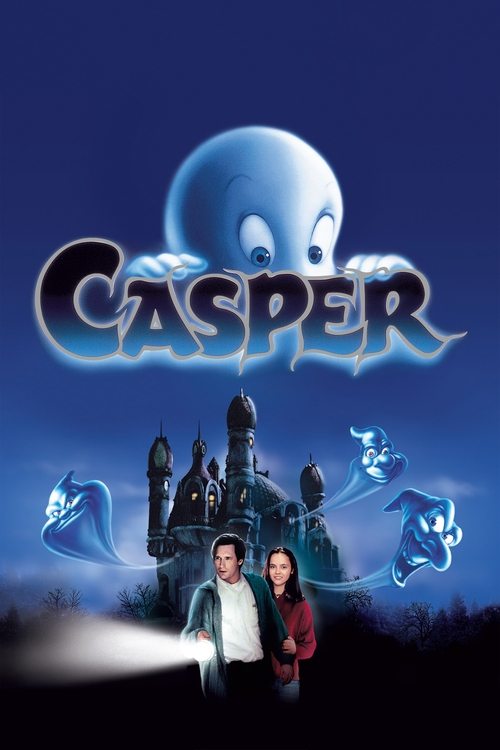
(1995)A widowed father and his daughter move into a haunted mansion where they meet Casper, a lonely friendly ghost, and his mischievous uncles. The story mixes comedy, grief, friendship, and supernatural hijinks with a light adventure tone.
This is a family-friendly ghost story with mild scares, some crude humor, and a few stronger language moments. The bigger discernment issue is its casual treatment of the spirit world and the way grief, death, and the afterlife are framed.
Use the content rating for the mild scares and language, and the Christian guidance rating for the film’s spiritual framing and grief themes.
Content Indicators

Reviewed 10 May 2026
Rachel focuses on animated films, family viewing habits, and helping parents spot worldview themes quickly.
Casper Christian Movie Review (1995)
Guidance: Talk Together
This is a family-friendly ghost story with mild scares, some crude humor, and a few stronger language moments. The bigger discernment issue is its casual treatment of the spirit world and the way grief, death, and the afterlife are framed.
Why This Guidance Level
Casper is light in tone, but it is not spiritually neutral. The scares are mild and the violence is mostly comic, yet the film repeatedly normalizes ghosts, séances-like contact, and a therapeutic approach to the dead. Add in some sharper language and a few suggestive jokes, and this becomes a title where many Christian parents will want to talk through the worldview rather than simply the surface content.
Faith & Worldview Perspective
The film is built around grief, belonging, and the hope of being known, which are meaningful themes. But it presents the spirit world as friendly, familiar, and manageable, with a ghost therapist explaining unresolved souls and moving on, which sits uneasily beside Christian hope in Christ and the seriousness of death and judgment.
Truths Reflected
- People long for friendship and a place to belong.
- Grief can leave families feeling unsettled and in need of comfort.
Tensions to Discuss
- The film treats ghosts and contact with the dead as ordinary rather than something to approach with biblical caution.
- It frames healing as a kind of self-managed emotional release instead of pointing to the comfort, hope, and authority of Jesus Christ.
Content & Discernment Markers
Occult & Spiritual Content
- The mansion is filled with ghosts who talk, joke, and cause trouble, and Dr. Harvey openly describes himself as a therapist for the dead, saying ghosts are “souls without resolution” who need help to “move on.” That makes the supernatural feel casual and therapeutic rather than spiritually weighty. Parents may want to discuss how this differs from a Christian view of death and the hope found in Jesus Christ.
Sexuality & Relationships
- There is mild teen romance and a few kisses, including Casper’s crush on Kat and a cheek kiss. A brief ghost gag also turns into a cleavage joke, which is more silly than explicit but still worth noting for younger viewers.
Identity Themes
- Kat says she wants to stay in one place long enough to make a friend, and Casper keeps repeating that all he wants is a friend. The film uses that longing to explore loneliness, but parents may want to discuss where true belonging comes from and how families can care for one another well.
Violence & Intensity
- The action stays cartoonish, with ghostly chases, comic threats, and some frightening moments in the mansion. There are also references to deaths and the afterlife, but the film does not dwell on graphic injury. Parents may want to prepare younger children for the haunted-house tone.
Language & Humour
- The dialogue includes sharper family-film language such as “damn,” “hell,” “for Christ’s sake,” and “piss off,” along with insults and teasing. The tone is often comic, but the words are noticeable enough that parents may want to talk about how casually the film uses them.
Other Content Notes
- The story centers on a widower and his daughter coping with the death of the mother, and the film keeps returning to grief, instability, and the need for comfort. That emotional core gives the movie heart, but it also makes the supernatural framing more influential.
Notable Moments
- Ghost therapist: Dr. Harvey explains that ghosts are unresolved souls who need help working through pain and moving on, turning the afterlife into a comic counseling session.
““souls without resolution””
- Kat’s loneliness: Kat says she wants to stay in one place long enough to make a friend, which gives the movie its emotional center and opens a conversation about belonging.
““to make a friend””
- Casper’s friendship plea: Casper repeatedly says he just wants a friend, making the film’s sweetest theme also one of its most emotionally persuasive.
““All I want is a friend””
- Sharper language: The script includes casual profanity and blasphemous exclamations that stand out more than the movie’s PG label might suggest.
““for Christ’s sake”“
Discussion Prompts
- Grief and comfort: What did the movie say people need when they are sad or lonely, and what does God offer in those moments?
- Biblical guidance: Scripture points us to God as the one who comforts the brokenhearted and stays near to those who mourn.
- Scripture: Psalm 34:18, 2 Corinthians 1:3-4
- The spirit world: How does the film treat ghosts, and how is that different from the Bible’s teaching about death and our hope in Christ?
- Biblical guidance: Christians can talk about death honestly while trusting Jesus Christ, who has authority over life, death, and the future.
- Scripture: Hebrews 9:27, John 11:25-26
- Belonging and friendship: Why do Kat and Casper both want a friend, and what does healthy friendship look like in a family that follows Jesus?
- Biblical guidance: The Bible calls believers to love one another with patience, truth, and care rather than using people to fill loneliness.
- Scripture: John 13:34-35, Philippians 2:3-4
- Words we use: Which words in the movie felt casual or disrespectful, and how should Christians think about speech?
- Biblical guidance: Scripture calls us to let our speech be gracious and fitting, even when a movie treats rough language as normal.
- Scripture: Ephesians 4:29, Colossians 4:6
Common questions about Casper
- What age is Casper suitable for?
- Casper suits children of about 8 and older in most families. That follows its official classification. It is rated PG in Australia, the US, New Zealand and Canada, and 12A in the UK. The dialogue includes sharper family-film language such as “damn,” “hell,” “for Christ’s sake,” and “piss off,” along with insults and teasing. Younger viewers may still enjoy it alongside a parent, and it raises worldview questions worth talking through afterwards.
- Is Casper okay for a 6-year-old?
- Casper is generally better suited to children of about 8 and up, so a 6-year-old may find parts of it a stretch. It is rated PG in Australia, the US, New Zealand and Canada, and 12A in the UK. The dialogue includes sharper family-film language such as “damn,” “hell,” “for Christ’s sake,” and “piss off,” along with insults and teasing. Families comfortable watching a little above the classification together may still be fine with it.
Age guidance is derived from this review's content findings and the film's official classifications. It is a starting point for your own judgement, not a rule.
Parent comments
Leave a comment on this review
Share a short note on Casper, or help other parents with discernment.
Submit will ask you to sign in first.
Weekend family picks
Get the short family movie list before the weekend
Example newsletter: 3 movies to watch this weekend with your family, plus one question to ask after the credits.
Sample: 3 movies to watch this weekend with your family
One cinema pick, one streaming pick, one conversation-starter pick.
Related Articles
A few bigger-picture reads for parents who want more context than a single review page can hold.

How To Talk With Kids About Magic, Fate, And Spiritual Themes In Movies
Many family movies use magic, destiny, spirits, or cosmic balance to drive the story. This article helps Christian parents respond without overreacting, while still drawing clear lines back to biblical truth.
Read article
How To Talk With Kids About Dragon magic In Family Movies
A parent-friendly guide to discussing dragon magic in family movies through a Christian lens.
Read article
How To Talk With Kids About Mild fantasy peril In Family Movies
A parent-friendly guide to discussing mild fantasy peril in family movies through a Christian lens.
Read articleMore Reviews




Official regional ratings
Local ratings remain available for reference, but LionLens separates those classifications from Christian family discernment.
Review Method
How this review was prepared
LionLens reviews are written with subtitle and dialogue evidence where available, official regional ratings data, source research, and final human editorial review before publication.