
Human Reviewed
Parent feedback
63 families found this review helpful
Christian Movie Review
Brother Bear Christian Movie Review
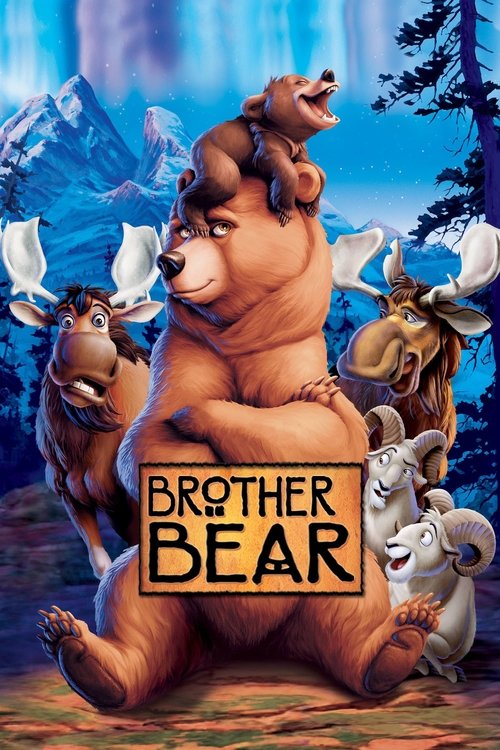
(2003)Brother Bear is an animated adventure about a young man named Kenai who is transformed into a bear after a tragic loss. As he travels with a bear cub, the story turns toward grief, brotherhood, and learning empathy from another point of view.
This is a gentle family film with some tense peril, a death early on, and a spiritual worldview built around ancestors and totems. Christian families may want to talk through the film’s ideas about love, identity, and the way it treats spirits.
Use the content rating for the brief peril and loss, and the Christian guidance rating for the film’s spiritual and moral framing.
Content Indicators

Reviewed 9 May 2026
Rachel focuses on animated films, family viewing habits, and helping parents spot worldview themes quickly.
Brother Bear Christian Movie Review (2003)
Guidance: Talk Together
This is a gentle family film with some tense peril, a death early on, and a spiritual worldview built around ancestors and totems. Christian families may want to talk through the film’s ideas about love, identity, and the way it treats spirits.
Why This Guidance Level
Brother Bear is not a heavy film in surface content, but it does include an early death, some frightening peril, and a steady spiritual framework built around ancestors, spirits, and totems. The story’s emotional center is strong and often wholesome, yet the worldview is not neutral, so Christian families may find it helpful to talk through the film’s ideas about guidance, love, and what happens after death.
Faith & Worldview Perspective
The movie celebrates family loyalty, repentance, and learning empathy, and it gives a sincere picture of love as something active rather than sentimental. Its main tension for Christian viewers is the spiritual system: ancestors, spirit lights, and totems function as real sources of guidance, which stands apart from trust in God and hope in Jesus Christ.
Truths Reflected
- Brotherhood and sacrificial love matter deeply.
- Humility grows when a person learns to see through another’s eyes.
Tensions to Discuss
- The film treats ancestors and spirits as guiding powers rather than pointing people to God.
- Its spiritual change comes through totems and shamanic wisdom, not through repentance and hope in Christ.
Content & Discernment Markers
Occult & Spiritual Content
- The village ceremony presents totems as gifts from the great spirits, and Tanana explains that each person receives a guiding symbol for life. Lines like “the spirits of our ancestors” and “Let love guide your actions” give the film a spiritual system that feels meaningful inside the story, but Christian parents may want to discuss how this differs from seeking guidance from God.
Sexuality & Relationships
- There is no sexual content, but the film does include playful teasing around Kenai’s embarrassment and the way the brothers joke with one another. The relationship focus stays on family bonds and brotherhood rather than romance.
Identity Themes
- Kenai is told that his totem is love, and he resists it because he thinks it is unmanly. That conflict matters because the film ties identity to a spiritual symbol and to the idea that a man proves himself through action, so parents may want to discuss what truly defines a person before God.
Violence & Intensity
- The opening bear attack is tense and ends in a brother’s death, with cries like “Sitka, no!” and “Our brother is dead.” Later chase scenes and rapids danger keep the story active, though the violence stays stylized and brief rather than graphic.
Language & Humour
- Language is mild overall, with rude teasing and insults such as “baby brother,” “dog breath,” “bonehead,” and the unfinished exasperation of “what?”-style banter. The humor is mostly sibling ribbing rather than coarse profanity.
Other Content Notes
- Grief shapes the whole story after Sitka’s death, and Denahi’s anger drives the pursuit of the bear. That emotional weight gives the film real seriousness even though it remains accessible for families.
Notable Moments
- Totem ceremony: Kenai receives the totem of love, and the scene frames love as a guiding force for life. The moment matters because it sets up the film’s moral and spiritual outlook.
“Your totem is… Love.”
- Brother’s death: A bear attack turns tragic when Sitka dies, and the family is left in shock and grief. This is the film’s most emotionally heavy moment.
“Our brother is dead, and it’s because of that monster.”
- Transformation: Kenai is transformed into a bear and forced to live from another creature’s perspective. The story uses this change to teach empathy and humility.
“You’ll get a whole new perspective on things.”
Discussion Prompts
- Love and identity: What does the movie say love means, and how does that compare with the way Scripture describes love?
- Biblical guidance: The Bible teaches that love is patient, truthful, and sacrificial, not just a feeling or a label. Talk about how real love is shaped by God’s character and by obedience to Him.
- Scripture: 1 Corinthians 13:4-7, John 14:15
- Spiritual guidance: Who guides the characters in the movie, and how is that different from seeking wisdom from God?
- Biblical guidance: Christians look to the Lord for wisdom, not to spirits, ancestors, or magical symbols. This is a good place to talk about prayer, Scripture, and trust in Jesus Christ.
- Scripture: James 1:5, Proverbs 3:5-6
- Grief and forgiveness: How do the brothers respond to loss, anger, and blame, and what would forgiveness look like in that situation?
- Biblical guidance: The Bible gives room for grief, but it also calls believers to forgive and to leave vengeance to God. Discuss how anger can distort judgment and how Christ helps us respond with mercy.
- Scripture: Ephesians 4:31-32, Romans 12:19
Common questions about Brother Bear
- What age is Brother Bear suitable for?
- Brother Bear suits children of about 6 and older in most families. The main reason is violence and peril. The opening bear attack is tense and ends in a brother's death, with cries like "Sitka, no!" Younger viewers may still enjoy it alongside a parent, and it raises worldview questions worth talking through afterwards.
- Is Brother Bear okay for a 4-year-old?
- Brother Bear is generally better suited to children of about 6 and up, so a 4-year-old may find parts of it a stretch. The opening bear attack is tense and ends in a brother's death, with cries like "Sitka, no!" Families whose children handle violence and peril well may still be comfortable watching together.
Age guidance is derived from this review's content findings and the film's official classifications. It is a starting point for your own judgement, not a rule.
Parent comments
Leave a comment on this review
Share a short note on Brother Bear, or help other parents with discernment.
Submit will ask you to sign in first.
Weekend family picks
Get the short family movie list before the weekend
Example newsletter: 3 movies to watch this weekend with your family, plus one question to ask after the credits.
Sample: 3 movies to watch this weekend with your family
One cinema pick, one streaming pick, one conversation-starter pick.
Related Articles
A few bigger-picture reads for parents who want more context than a single review page can hold.

How To Talk With Kids About Magic, Fate, And Spiritual Themes In Movies
Many family movies use magic, destiny, spirits, or cosmic balance to drive the story. This article helps Christian parents respond without overreacting, while still drawing clear lines back to biblical truth.
Read article
How To Talk With Kids About Dragon magic In Family Movies
A parent-friendly guide to discussing dragon magic in family movies through a Christian lens.
Read article
How To Talk With Kids About Mild fantasy peril In Family Movies
A parent-friendly guide to discussing mild fantasy peril in family movies through a Christian lens.
Read articleMore Reviews



Official regional ratings
Local ratings remain available for reference, but LionLens separates those classifications from Christian family discernment.
Review Method
How this review was prepared
LionLens reviews are written with subtitle and dialogue evidence where available, official regional ratings data, source research, and final human editorial review before publication.