
Human Reviewed
Parent feedback
35 families found this review helpful
Christian Movie Review
Bridge to Terabithia Christian Movie Review
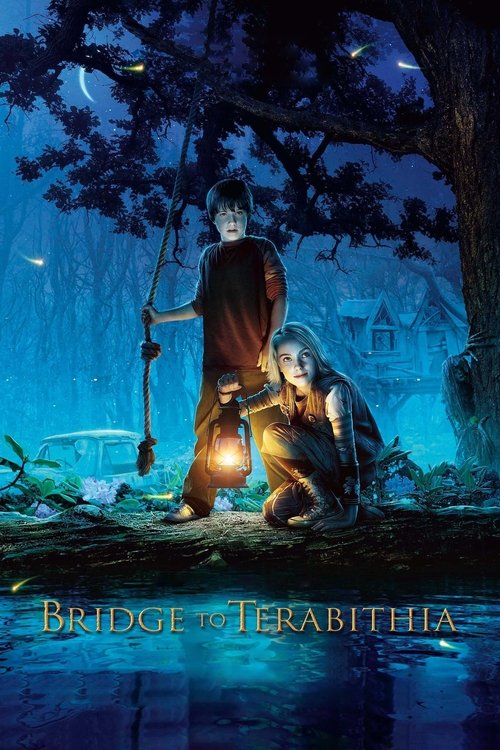
(2007)Bridge to Terabithia is a family drama about a lonely boy and an imaginative new neighbor who form a close friendship. Their shared inner world helps them face school pressures, family strain, and painful loss.
This is a thoughtful, emotional story more than a light fantasy adventure. The main concerns for families are bullying, some mild language, fantasy creature imagery, and weighty grief that can open meaningful conversations.
Use the content rating for surface issues and the Christian guidance rating for the deeper conversations this story may raise.
Content Indicators

Reviewed 16 March 2026
Esther handles review quality, clarity, and the practical guidance families need after the credits roll.
Bridge to Terabithia Christian Movie Review (2007)
Guidance: Talk Together
This is a thoughtful, emotional story more than a light fantasy adventure. The main concerns for families are bullying, some mild language, fantasy creature imagery, and weighty grief that can open meaningful conversations.
Why This Guidance Level
This lands in the middle because the surface content is not extreme, but the emotional weight is real. Bullying, shame, fantasy imagery, and especially grief give parents plenty to discuss, and the film’s deepest impact comes from how children make meaning out of pain, friendship, and loss.
Faith & Worldview Perspective
The story honors friendship, imagination, compassion, and the dignity of children who feel overlooked. It also shows how cruel words can wound and how family strain shapes a child’s heart. The main tension is that healing is largely framed through creativity, memory, and inner courage rather than through reconciliation with God or hope in Jesus Christ. Parents may want to discuss where comfort and hope finally come from when imagination cannot remove real sorrow.
Truths Reflected
- Friendship can be a gift that helps lonely people flourish.
- Words and cruelty can deeply wound, while kindness can restore dignity.
Tensions to Discuss
- The film leans on imagination and personal meaning-making rather than pointing to Christian hope in Christ when grief enters the story.
- Children and adults sometimes normalize mockery and disrespect, which may need discussion in light of biblical speech and honor.
Content & Discernment Markers
Occult & Spiritual Content
- Fantasy material is tied to the children’s imaginative world, including talk of “trolls under the bridges who collect tolls from unlucky travelers” and references to monsters and other creatures. This is not presented as real-world occult practice, but it can still be worth discussing how fantasy differs from spiritual truth. Parents may want to talk about imagination as a gift from God, not a source of spiritual power.
Sexuality & Relationships
- Relationship content is light. The story centers on close friendship, with some school-age teasing about impressing others and a child noticing a teacher. Nothing sexual stands out as a major concern.
Identity Themes
- A boy is embarrassed by worn-out shoes and being handed girls’ sneakers for school and a race: “These are girls’ ones” and “I can’t race in these.” The scene mixes poverty, pride, and shame in a way children will understand quickly. Parents may want to discuss identity rooted in being made by God, not in clothes, status, or peer approval.
Violence & Intensity
- Most conflict is school-level aggression rather than graphic violence, but it includes intimidation and threat language such as “You’re dead meat” and rough bullying around lunch money and races. The larger concern is emotional intensity and the story’s tragic loss, which can be heavier than families may expect from the fantasy marketing.
Language & Humour
- Language includes repeated insults and put-downs such as “Shut up,” “You stink,” “loser,” “idiot,” “farmer boy,” and “twinkle toes,” along with mocking nicknames like “Monster Mouth” Myers. Broader reviews also note a few mild profanities such as “damn” and “hell.” The issue is less vulgarity than the steady use of cutting speech. Parents may want to discuss how words can tear down or give grace.
Other Content Notes
- Bullying is one of the clearest concerns. A child’s lunch is taken with the line, “Consider it a free lunch program, farmer boy!” and classmates mock his shoes: “Sweet sneaks, Aarons. You wear your sisters’ hand-me-down underwear too?” These moments matter because the film shows how humiliation shapes a child’s sense of worth.
- Disrespect toward authority appears when students call their teacher “Monster Mouth” Myers behind her back. It is brief, but it reflects a casual contempt for authority that Christian families may want to address.
- Emotional distress is a major factor. The story moves into grief and loss in a way that can be deeply sad for children, even though it is handled with seriousness rather than sensationalism.
Notable Moments
- Lunch bullying: A bully takes a child’s lunch and turns it into a public humiliation.
“Consider it a free lunch program, farmer boy!”
- Teacher mockery: Students use a cruel nickname for their teacher, showing casual disrespect toward authority.
""Monster Mouth” Myers.”
- Shoe humiliation: A boy is mocked over wearing girls’ hand-me-down shoes, highlighting shame and peer pressure.
“Sweet sneaks, Aarons. You wear your sisters’ hand-me-down underwear too?”
- Fantasy taunt: A new student answers mockery with a story about trolls under a bridge, introducing the film’s imaginative tone.
“Have you ever heard the story about the trolls under the bridges who collect tolls from unlucky travelers?”
Discussion Prompts
- Bullying and speech: How did the teasing and public humiliation affect the kids in the story, and what would loving speech have sounded like instead?
- Biblical guidance: Scripture warns that words can wound deeply and calls believers to speak with kindness and grace.
- Scripture: Ephesians 4:29, Proverbs 18:21, Colossians 4:6
- Identity and shame: Why did shoes, clothes, and other people’s opinions feel so important, and where should our worth really come from?
- Biblical guidance: Our value is not based on status or appearance but on being made in God’s image and known by Him.
- Scripture: Genesis 1:27, 1 Samuel 16:7, Psalm 139:13-14
- Imagination and truth: What is good about imagination in this story, and how is imagination different from spiritual truth or ultimate hope?
- Biblical guidance: Creativity is a gift from God, but truth and hope are grounded in Him, not in a world we invent.
- Scripture: Philippians 4:8, James 1:17, John 14:6
- Grief and hope: When the story turns painful, where do people look for comfort, and how does Christian hope in Jesus Christ speak to sorrow and death?
- Biblical guidance: Christians grieve honestly, but not without hope, because Jesus meets us in sorrow and promises resurrection life.
- Scripture: 1 Thessalonians 4:13-14, John 11:25-26, Psalm 34:18
Common questions about Bridge to Terabithia
- What age is Bridge to Terabithia suitable for?
- Bridge to Terabithia suits children of about 8 and older in most families. That follows its official classification. It is rated PG in Australia, the US, New Zealand, the UK and Canada. Language includes repeated insults and put-downs such as "Shut up," "You stink," "loser," "idiot," "farmer boy," and "twinkle toes," along with mocking nicknames like "Monster Mouth" Myers.
- Is Bridge to Terabithia okay for a 6-year-old?
- Bridge to Terabithia is generally better suited to children of about 8 and up, so a 6-year-old may find parts of it a stretch. It is rated PG in Australia, the US, New Zealand, the UK and Canada. Language includes repeated insults and put-downs such as "Shut up," "You stink," "loser," "idiot," "farmer boy," and "twinkle toes," along with mocking nicknames like "Monster Mouth" Myers. Families comfortable watching a little above the classification together may still be fine with it.
Age guidance is derived from this review's content findings and the film's official classifications. It is a starting point for your own judgement, not a rule.
Parent comments
Leave a comment on this review
Share a short note on Bridge to Terabithia, or help other parents with discernment.
Submit will ask you to sign in first.
Weekend family picks
Get the short family movie list before the weekend
Example newsletter: 3 movies to watch this weekend with your family, plus one question to ask after the credits.
Sample: 3 movies to watch this weekend with your family
One cinema pick, one streaming pick, one conversation-starter pick.
Related Articles
A few bigger-picture reads for parents who want more context than a single review page can hold.

How To Talk With Kids About Magic, Fate, And Spiritual Themes In Movies
Many family movies use magic, destiny, spirits, or cosmic balance to drive the story. This article helps Christian parents respond without overreacting, while still drawing clear lines back to biblical truth.
Read article
How To Talk With Kids About Dragon magic In Family Movies
A parent-friendly guide to discussing dragon magic in family movies through a Christian lens.
Read article
How To Talk With Kids About Mild fantasy peril In Family Movies
A parent-friendly guide to discussing mild fantasy peril in family movies through a Christian lens.
Read articleMore Reviews


Official regional ratings
Local ratings remain available for reference, but LionLens separates those classifications from Christian family discernment.
Review Method
How this review was prepared
LionLens reviews are written with subtitle and dialogue evidence where available, official regional ratings data, source research, and final human editorial review before publication.