

Human Reviewed
Parent feedback
30 families found this review helpful
Christian Movie Review
Brave Christian Movie Review
(2012)Pixar’s Brave follows Merida, a Scottish princess who resists an arranged betrothal and clashes with her mother over duty, freedom, and the future of her life. The story mixes family conflict, folklore, humor, and dangerous adventure as their relationship is tested and repaired.
Brave is emotionally rich and often funny, but it also carries scary bear peril and a fantasy framework built around fate, magic, and supernatural guidance. For many Christian families, the main discernment need is less the surface content than the film’s spiritual and independence-centered messaging.
Use the content rating for what children may see and hear, and the Christian guidance rating for what the story may encourage them to believe or admire.
Content Indicators

Reviewed 7 February 2026
Micah covers action, fantasy, and franchise releases, with close attention to violence, spiritual themes, and moral framing.
Brave Christian Movie Review (2012)
Guidance: Talk Together
Brave is emotionally rich and often funny, but it also carries scary bear peril and a fantasy framework built around fate, magic, and supernatural guidance. For many Christian families, the main discernment need is less the surface content than the film’s spiritual and independence-centered messaging.
Why This Guidance Level
This lands in the middle guidance range because the film’s content is manageable for many families, but its fantasy spirituality and message about self-directed freedom invite real conversation. The strongest concerns are scary bear sequences and the story’s trust in fate, magic, and mystical signs rather than in God’s providence.
Faith & Worldview Perspective
Brave honors courage, humility, repentance, and restored family love, and it treats selfish choices as costly. Its central tension, however, is shaped by folklore ideas about fate and supernatural guidance, with will-o’-the-wisps and magic helping drive the story forward. The film also presents tradition and authority as burdens to break free from before later softening into mutual understanding and sacrificial love. Parents may want to discuss how Christian freedom is not self-rule, but wise trust and obedience under God, with hope grounded in Jesus Christ rather than in fate.
Truths Reflected
- Pride and stubbornness damage relationships, and humility helps bring healing.
- Family love can involve sacrifice, repentance, and learning to understand one another.
Tensions to Discuss
- The story gives spiritual weight to fate, magical transformation, and mystical signs rather than pointing to God’s providence.
- It can frame personal freedom as the highest good, which may conflict with a biblical view of identity, duty, and wise authority.
Content & Discernment Markers
Occult & Spiritual Content
- Folklore spirituality is woven into the story through will-o’-the-wisps, which are treated as real guides: “some say that will-o’-the-wisps lead you to your fate.” The film also speaks of magic as true and meaningful. For Christian families, this matters because the story presents supernatural guidance outside of God’s revelation. Parents may want to discuss the difference between fantasy folklore and trusting the Lord’s guidance.
- Mor’du is called a “demon bear,” and the world includes references to magical creatures and legends that carry spiritual weight. This is fantasy material rather than explicit occult practice, but it still gives the supernatural a serious place in the story.
Sexuality & Relationships
- The main relationship tension centers on marriage expectations and betrothal rather than sexual content. Merida strongly resists being matched with a suitor, which keeps romance mostly in the background.
Identity Themes
- Merida pushes back against being defined by royal expectations: “I’m the princess. I’m the example. I’ve got duties, responsibilities, expectations.” The film sympathizes with her desire for freedom while also showing that rebellion has consequences. Christian parents may want to discuss identity as something received from God, not built only around personal desire.
Violence & Intensity
- A large bear is the source of the film’s most intense moments, including attack scenes, pursuit, weapons, and climactic danger. The story also recounts how Merida’s father lost his leg to Mor’du, which adds weight to the threat even when the tone stays within family adventure territory.
- There is repeated peril involving characters being hunted, cornered, or nearly harmed, and younger viewers may find the bear confrontations frightening. Parents may want to prepare sensitive children for these scenes.
Language & Humour
- Language is mostly mild and comic, with insults and rough phrases such as “wee devils,” “greedy mongrels,” “manky dogs,” and “stuff her gob.” The tone is more teasing and gruff family banter than harsh profanity.
Other Content Notes
- The mother-daughter conflict is emotionally sharp at times. Merida resists the planned betrothal with lines like “I won’t go through with it. You can’t make me,” while Elinor stresses royal duty and restraint. The film ultimately moves toward repentance and reconciliation rather than leaving the conflict unresolved.
- Feast scenes include drink on tables in a Scottish clan setting, but substance use does not stand out as a major concern.
Notable Moments
- Will-o’-the-wisps and fate: The film introduces mystical lights as real and ties them to destiny, setting the spiritual tone for the story.
“some say that will-o’- the-wisps lead you to your fate”
- Royal duty and pressure: Merida’s mother lays out the expectations of princess life in a way that highlights the central conflict over identity and obedience.
“A princess must be knowledgeable about her kingdom.”
- Betrothal conflict: The arranged marriage announcement triggers the film’s main family rupture.
“The lords are presenting their sons as suitors for your betrothal.”
- Open rebellion: Merida directly rejects her mother’s plan, showing both her desperation and the story’s emphasis on self-determination.
“I won’t go through with it. You can’t make me.”
Discussion Prompts
- Fate versus God’s guidance: When the movie talks about fate and signs leading the way, how is that different from how Christians seek wisdom and direction?
- Biblical guidance: Scripture points us to trust God’s providence and seek wisdom from Him, not from mystical signs. Christian hope rests in the Lord’s care and in Jesus Christ, not in fate.
- Scripture: Proverbs 3:5-6, Psalm 119:105, James 1:5
- Freedom and responsibility: Was Merida right to want freedom? Where did her desire for freedom become selfish or unwise?
- Biblical guidance: The Bible values wise freedom, but not freedom that rejects truth, love, or responsibility. Real freedom is found in living rightly before God.
- Scripture: Galatians 5:13, 1 Peter 2:16, John 8:31-32
- Honoring parents during conflict: How could Merida and Elinor have spoken more truthfully and lovingly to each other before things got worse?
- Biblical guidance: God calls children to honor parents and parents to lead with patience and understanding. Conflict should move toward listening, gentleness, and reconciliation.
- Scripture: Ephesians 6:1-4, James 1:19-20, Colossians 3:12-14
- Repentance and restored relationships: What changed when the characters stopped defending themselves and started acting sacrificially for each other?
- Biblical guidance: The film rightly shows that pride harms relationships and humility helps heal them. Christians can connect this to repentance, forgiveness, and the reconciling love we receive in Christ.
- Scripture: Proverbs 16:18, Ephesians 4:31-32, 2 Corinthians 5:17-19
Common questions about Brave
- What age is Brave suitable for?
- Brave suits children of about 8 and older in most families. That follows its official classification. It is rated PG in Australia, the US, New Zealand and Canada, and 15 in the UK. A large bear is the source of the film’s most intense moments, including attack scenes, pursuit, weapons, and climactic danger. Younger viewers may still enjoy it alongside a parent, and it raises worldview questions worth talking through afterwards.
- Is Brave okay for a 6-year-old?
- Brave is generally better suited to children of about 8 and up, so a 6-year-old may find parts of it a stretch. It is rated PG in Australia, the US, New Zealand and Canada, and 15 in the UK. A large bear is the source of the film’s most intense moments, including attack scenes, pursuit, weapons, and climactic danger. Families comfortable watching a little above the classification together may still be fine with it.
Age guidance is derived from this review's content findings and the film's official classifications. It is a starting point for your own judgement, not a rule.
Parent comments
Leave a comment on this review
Share a short note on Brave, or help other parents with discernment.
Submit will ask you to sign in first.
Weekend family picks
Get the short family movie list before the weekend
Example newsletter: 3 movies to watch this weekend with your family, plus one question to ask after the credits.
Sample: 3 movies to watch this weekend with your family
One cinema pick, one streaming pick, one conversation-starter pick.
Related Articles
A few bigger-picture reads for parents who want more context than a single review page can hold.
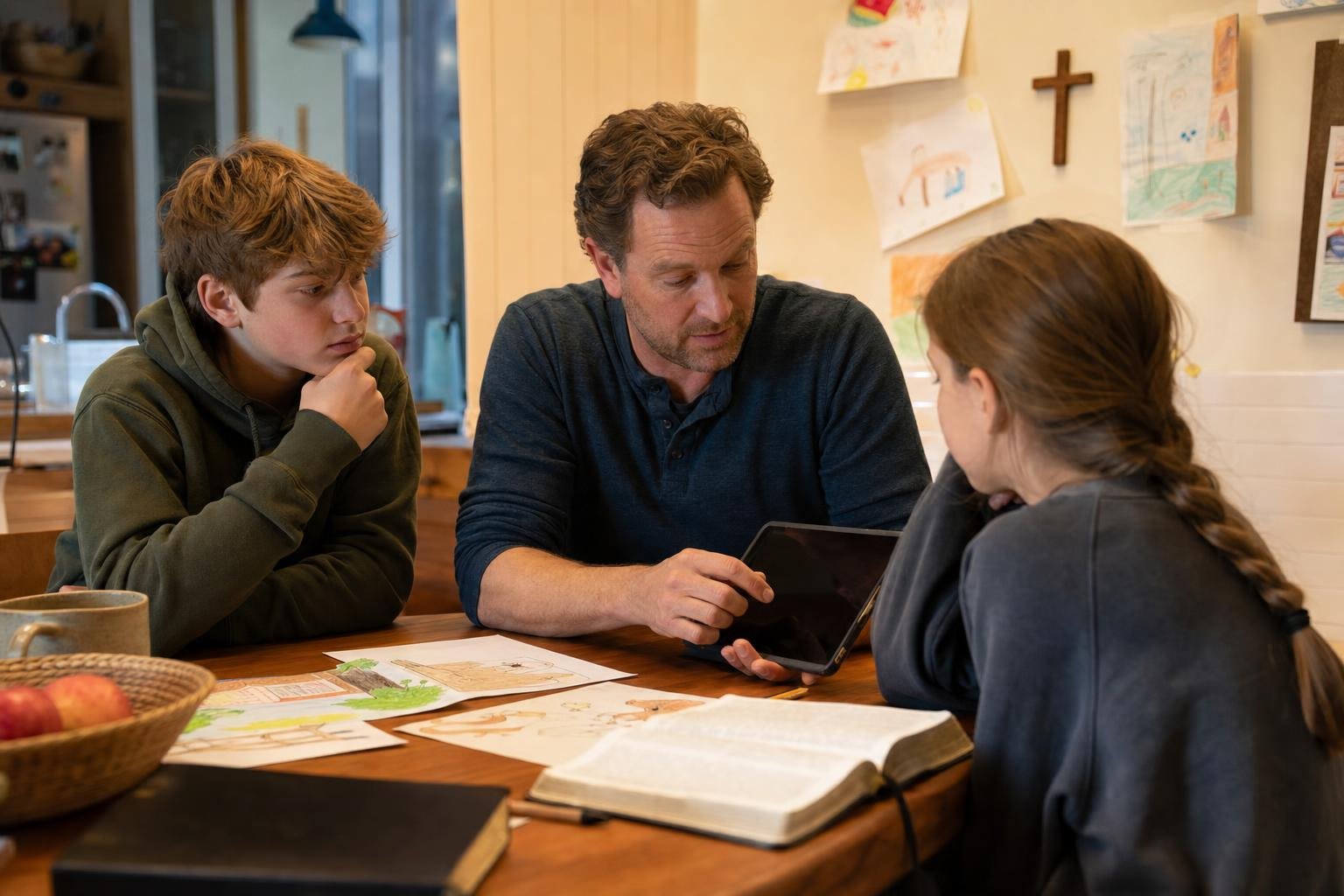
Animal Farm And Talking With Kids About Power, Truth, And Sin
Animal Farm can help older children see how slogans, fear, and corrupted authority distort truth, but parents should frame the story with a biblical view of sin.
Read article
Disney And Pixar Films For Christian Families: Why They Still Need Discernment
Disney and Pixar films often feel safer than they really are. This guide helps Christian parents notice the spiritual assumptions, emotional messages, and identity themes that can slip past a quick first impression.
Read article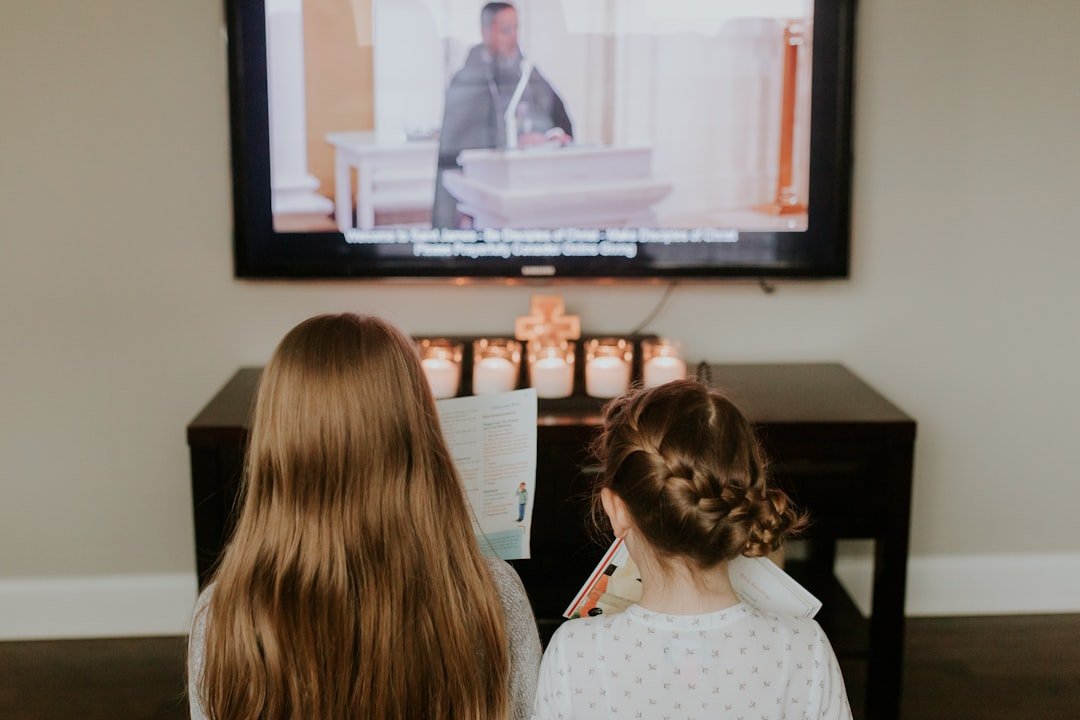
5 Things To Notice In Kids Movies Before The Message Lands
A child can absorb a movie long before they can explain it. These five checkpoints help Christian parents notice what a film is training the heart to love, fear, excuse, or trust.
Read articleMore Reviews


Official regional ratings
Local ratings remain available for reference, but LionLens separates those classifications from Christian family discernment.
Review Method
How this review was prepared
LionLens reviews are written with subtitle and dialogue evidence where available, official regional ratings data, source research, and final human editorial review before publication.