Human Reviewed
Parent feedback
39 families found this review helpful
Christian Movie Review
Beauty and the Beast Christian Movie Review
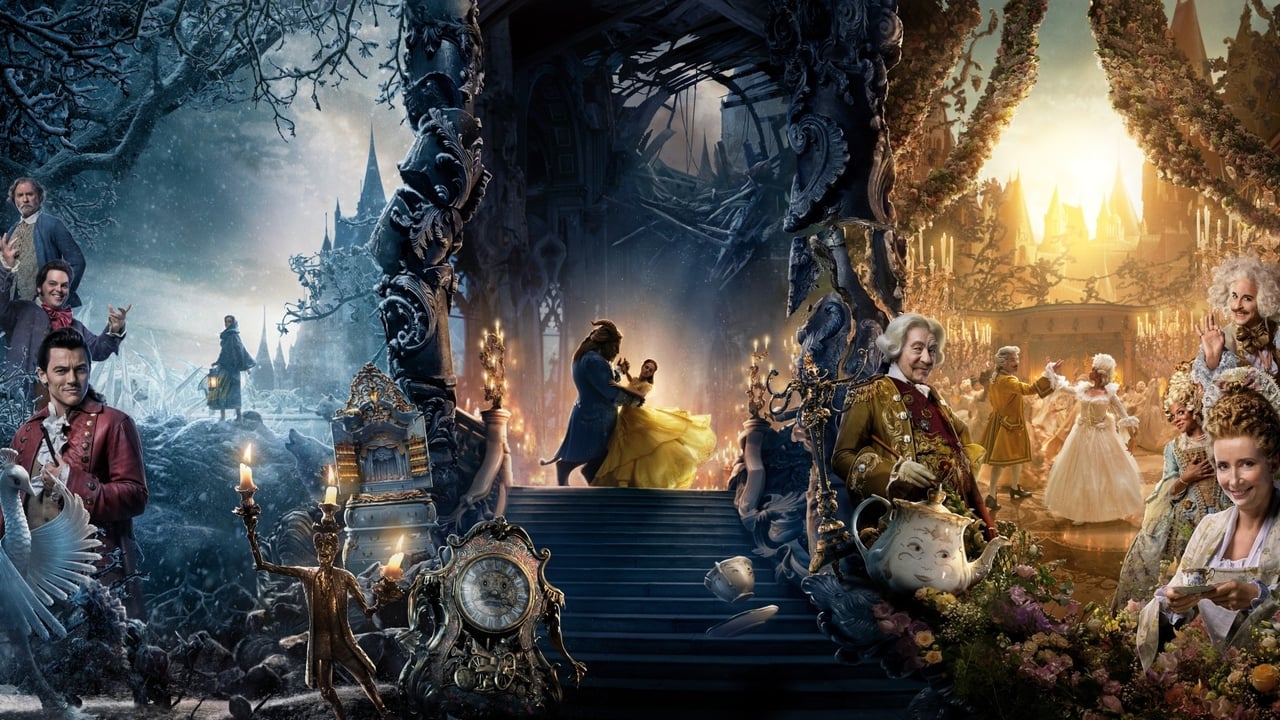
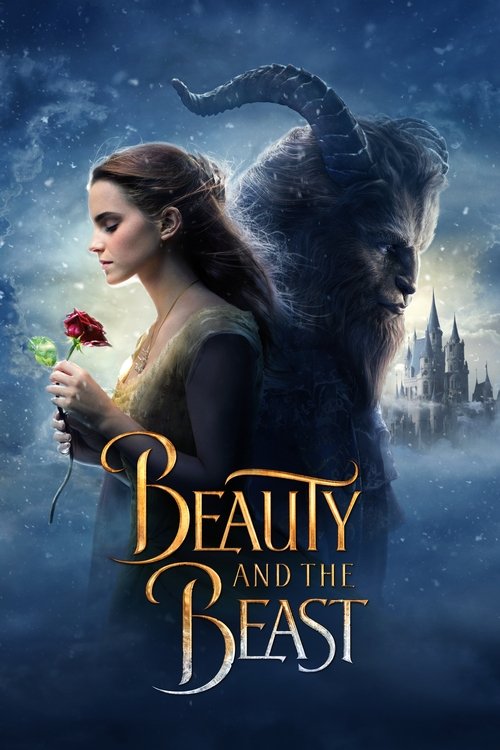
(2017)A live-action adaptation of Disney's version of the classic tale of a cursed prince and a beautiful young woman who helps him break the spell.
This live-action retelling keeps the familiar fairy-tale romance and musical style, but it also includes prominent magical enchantment, several intense action sequences, and a brief same-sex dance moment tied to LeFou. For many Christian families, the larger concern is less the surface content than the mix of fantasy spirituality, romantic messaging, and cultural cues worth talking through afterward.
Start with the content rating, then use the Christian guidance rating to decide how much conversation your family may need.
Content Indicators

Reviewed 29 March 2026
Micah covers action, fantasy, and franchise releases, with close attention to violence, spiritual themes, and moral framing.
Beauty and the Beast Christian Movie Review (2017)
Guidance: Talk Together
This live-action retelling keeps the familiar fairy-tale romance and musical style, but it also includes prominent magical enchantment, several intense action sequences, and a brief same-sex dance moment tied to LeFou. For many Christian families, the larger concern is less the surface content than the mix of fantasy spirituality, romantic messaging, and cultural cues worth talking through afterward.
Why This Guidance Level
The film stays within the normal range for a mainstream family fantasy, but it brings together several areas parents may want to weigh: a story built around magical enchantment, some frightening peril for younger viewers, and a brief but noticeable same-sex moment that became part of the film’s public conversation. The overall tone is still accessible for many families, yet it invites meaningful discussion about love, transformation, truth, and the difference between fairy-tale magic and Christian hope in Jesus Christ.
Faith & Worldview Perspective
The story reflects real virtues such as sacrificial love, courage, mercy, and learning to see beyond outward appearance. At the same time, its world is driven by enchantment and a redemptive arc that comes through inner sincerity and romantic love rather than through sin, repentance, and hope in Jesus Christ. A Christian parent may want to discuss how the film’s compassion and self-giving instincts echo truth, while its magical framework and brief sexuality messaging reflect a different moral and spiritual vision.
Truths Reflected
- People should not be judged only by outward appearance.
- Pride, selfishness, and cruelty damage both the sinner and others.
Tensions to Discuss
- The film treats supernatural enchantment as a normal story engine, which may blur the difference between fantasy magic and the Christian understanding of spiritual reality.
- A brief same-sex moment and related character coding may conflict with a biblical view of sexuality, so a Christian parent may want to discuss why truth and love should stay together.
Content & Discernment Markers
Occult & Spiritual Content
- The entire plot begins with an enchantress placing a curse on the prince, transforming him into the Beast and turning the household staff into animated objects. The spell, enchanted rose, and magical reversal are central to the story’s emotional payoff. Parents may want to discuss the difference between fairy-tale magic and the real spiritual hope Christians have in Jesus Christ.
Sexuality & Relationships
- The main romance remains chaste and fairy-tale in tone, centered on Belle and the Beast growing in affection. There is also a brief same-sex dance moment involving LeFou near the end, which many Christian families will want to note because it signals approval of a view of sexuality that may differ from biblical teaching.
Identity Themes
- Belle is framed as independent, intelligent, and resistant to the shallow expectations of her village, which can open good conversations about dignity and wise courage. Some families may also notice that LeFou is played with ambiguous attraction and identity cues that invite discussion about how culture presents identity and desire.
Violence & Intensity
- There is a tense wolf attack in the forest that may frighten younger children, with the Beast fighting off the animals and characters left injured and shaken.
- An angry mob storms the castle with weapons, leading to chaotic fighting between villagers and enchanted servants. The action is theatrical rather than graphic, but the threat level is sustained for a family film.
- The rooftop confrontation between Gaston and the Beast includes stalking, taunting, and a deadly fall. The scene carries real peril and emotional intensity even though it avoids gore.
Language & Humour
- Language is generally mild and in line with family fantasy. Humour leans more on insults, vanity, and comic put-downs than on strong profanity, with Gaston and others speaking in mocking or arrogant ways.
Other Content Notes
- The story includes themes of imprisonment, social humiliation, and mob fear, especially when Belle and her father are dismissed or threatened by the village. Parents may want to discuss how crowds can be manipulated and why truth matters even when most people follow the loudest voice.
Notable Moments
- Enchanted curse: The opening establishes the enchantress, the prince’s transformation into the Beast, and the magical curse affecting the castle and servants.
- Wolf attack: Belle faces danger in the forest and the Beast is injured while protecting her from wolves.
- Castle assault: Villagers led by Gaston storm the castle, creating a prolonged sequence of peril and combat.
- LeFou dance moment: Near the end, LeFou shares a brief same-sex dance beat that many families will recognize as intentional cultural signaling.
Discussion Prompts
- Seeing past appearances: What did Belle learn about judging by appearances, and how is that similar to or different from how God sees people?
- Biblical guidance: Scripture teaches that people often look at the outside, but the Lord sees the heart. That truth can help children value dignity without ignoring sin or wisdom.
- Scripture: 1 Samuel 16:7, James 2:1-4
- Love and transformation: The film says love can break the curse. How is that different from the way real change happens through repentance and new life in Jesus Christ?
- Biblical guidance: Fairy tales often picture love as saving power, but Christian hope rests in Christ, who truly redeems sinners and makes hearts new.
- Scripture: 2 Corinthians 5:17, Romans 5:8
- Magic and spiritual imagination: Did the enchantment in the story feel like harmless fantasy, or did it raise questions about spiritual power and where it comes from?
- Biblical guidance: Parents can help children distinguish between storybook fantasy and the Bible’s serious warnings about seeking spiritual power apart from God.
- Scripture: Deuteronomy 18:10-12, Ephesians 5:11
- Truth, crowds, and courage: Why did so many people follow Gaston, and what should we do when a crowd is confident but wrong?
- Biblical guidance: God calls His people to love truth and resist the pressure of the crowd, even when fear or popularity pushes the other way.
- Scripture: Exodus 23:2, Proverbs 29:25
Common questions about Beauty and the Beast
- What age is Beauty and the Beast suitable for?
- Beauty and the Beast suits children of about 8 and older in most families. That follows its official classification. It is rated PG in Australia, the US, New Zealand and Canada, and U in the UK. There is a tense wolf attack in the forest that may frighten younger children, with the Beast fighting off the animals and characters left injured and shaken. Younger viewers may still enjoy it alongside a parent, and it raises worldview questions worth talking through afterwards.
- Is Beauty and the Beast okay for a 6-year-old?
- Beauty and the Beast is generally better suited to children of about 8 and up, so a 6-year-old may find parts of it a stretch. It is rated PG in Australia, the US, New Zealand and Canada, and U in the UK. There is a tense wolf attack in the forest that may frighten younger children, with the Beast fighting off the animals and characters left injured and shaken. Families comfortable watching a little above the classification together may still be fine with it.
Age guidance is derived from this review's content findings and the film's official classifications. It is a starting point for your own judgement, not a rule.
Parent comments
Leave a comment on this review
Share a short note on Beauty and the Beast, or help other parents with discernment.
Submit will ask you to sign in first.
Weekend family picks
Get the short family movie list before the weekend
Example newsletter: 3 movies to watch this weekend with your family, plus one question to ask after the credits.
Sample: 3 movies to watch this weekend with your family
One cinema pick, one streaming pick, one conversation-starter pick.
Related Articles
A few bigger-picture reads for parents who want more context than a single review page can hold.
Animal Farm And Talking With Kids About Power, Truth, And Sin
Animal Farm can help older children see how slogans, fear, and corrupted authority distort truth, but parents should frame the story with a biblical view of sin.
Read article
Disney And Pixar Films For Christian Families: Why They Still Need Discernment
Disney and Pixar films often feel safer than they really are. This guide helps Christian parents notice the spiritual assumptions, emotional messages, and identity themes that can slip past a quick first impression.
Read article
5 Things To Notice In Kids Movies Before The Message Lands
A child can absorb a movie long before they can explain it. These five checkpoints help Christian parents notice what a film is training the heart to love, fear, excuse, or trust.
Read articleMore Reviews

Official regional ratings
Local ratings remain available for reference, but LionLens separates those classifications from Christian family discernment.
Review Method
How this review was prepared
LionLens reviews are written with subtitle and dialogue evidence where available, official regional ratings data, source research, and final human editorial review before publication.