Human Reviewed
Parent feedback
76 families found this review helpful
Christian Movie Review
Avatar Aang: The Last Airbender Christian Movie Review
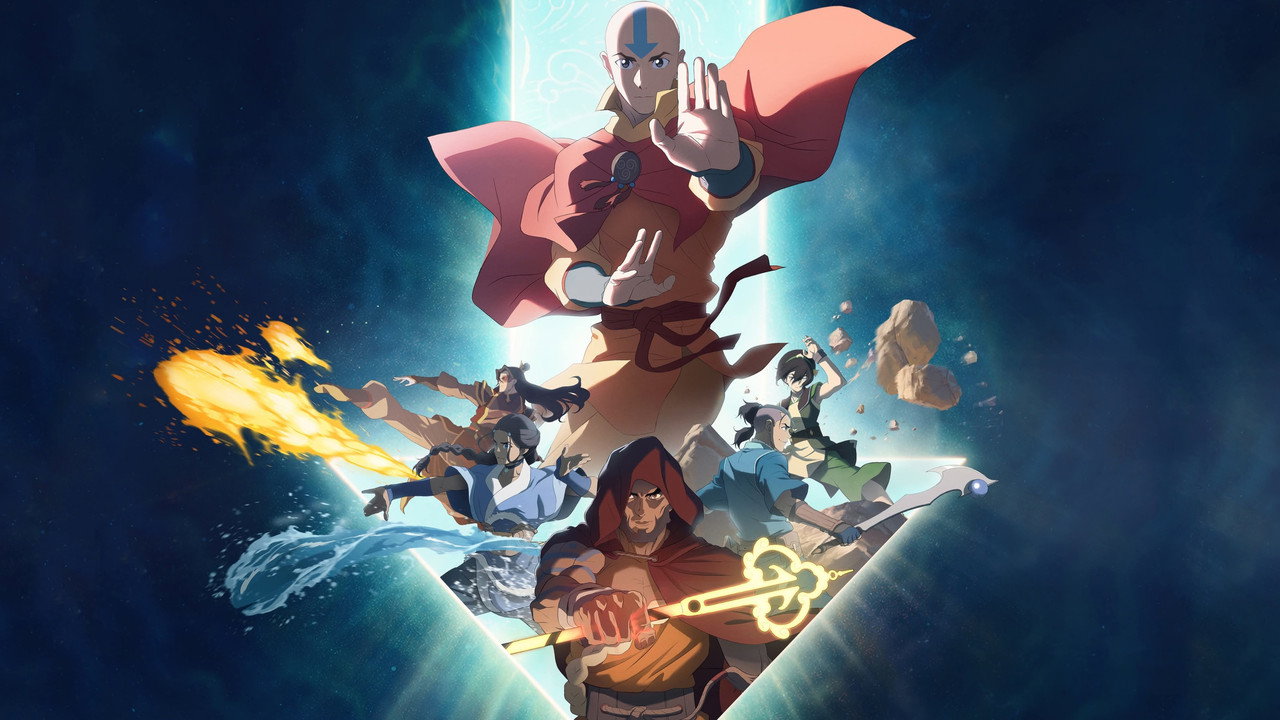
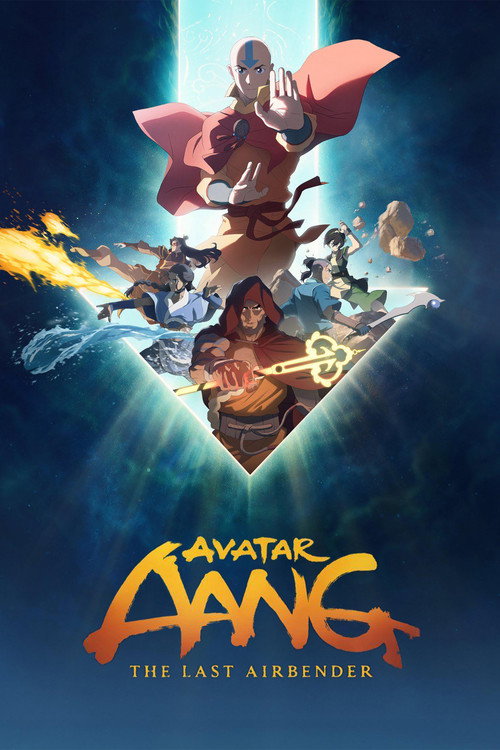
(2026)This animated fantasy adventure follows Aang years after the original war as he leads in a rebuilt world while facing a new anti-bender threat. The story blends action, political tension, and spiritual lore tied to the Avatar cycle and the Spirit World.
Surface content stays in the PG family-adventure range, with fantasy violence, peril, and a little light romance. The bigger issue for Christian families is the film’s spiritual framework, which treats balance, past lives, and spirit guidance as normal sources of wisdom.
Use the content rating for what children will see and hear, and the Christian guidance rating for what the film teaches or normalizes.
Content Indicators

Reviewed 26 July 2026
Rachel focuses on animated films, family viewing habits, and helping parents spot worldview themes quickly.
Avatar Aang: The Last Airbender Christian Movie Review (2026)
Guidance: Talk Together
Surface content stays in the PG family-adventure range, with fantasy violence, peril, and a little light romance. The bigger issue for Christian families is the film’s spiritual framework, which treats balance, past lives, and spirit guidance as normal sources of wisdom.
Why This Guidance Level
This lands in a middle category because the surface content is manageable for many families used to fantasy adventure, but the spiritual framework is not incidental. The story treats reincarnation-like Avatar succession, spirit consultation, and balance-centered wisdom as normal and helpful, so the main need here is thoughtful conversation rather than alarm.
Faith & Worldview Perspective
The movie admires humility, courage, restraint, service, and using power for the good of others. It also presents a spiritual universe shaped by the Avatar cycle, contact with past Avatars, and harmony through balance rather than redemption in Jesus Christ. Parents may want to discuss how biblical wisdom comes from God’s truth, not from spirit intermediaries or an impersonal cosmic order.
Truths Reflected
- Leadership carries real responsibility and should be exercised with restraint.
- People from different backgrounds can work together for peace and the common good.
Tensions to Discuss
- The film treats the Avatar cycle and guidance from past Avatars as a valid spiritual source, which conflicts with a Christian view of life, death, and seeking spiritual counsel.
- Its idea of restoring balance can sound morally attractive, but Christian hope is not found in cosmic equilibrium; it is found in reconciliation with God through Jesus Christ.
Content & Discernment Markers
Occult & Spiritual Content
- Spiritual material is central to the story’s world. Aang explains that ‘Over generations, the Avatar… kept the nations in balance,’ and later seeks help from ‘Avatar Roku’ and older figures in the Avatar cycle. For Christian families, this matters because the film normalizes guidance from past spiritual beings rather than from the living God. Parents may want to discuss why Christians look to Christ and Scripture for truth.
- The movie also uses Spirit World language and mystical power tied to the Avatar identity and elemental mastery. This is fantasy material, but it is rooted in Eastern-style spirituality rather than a neutral magic system.
Sexuality & Relationships
- Romantic content is light. One character says, ‘Be honest. You’re in love,’ and the relationship between Aang and Katara carries gentle emotional warmth rather than sexualized material.
Identity Themes
- A major thread centers on benders and non-benders living together, with extremists saying, ‘We’re tired of a world where only benders have power!’ The film values inclusion and shared civic life, but it frames identity and power largely through social group tension. Christian parents may want to discuss justice, dignity, and unity without turning grievance into hatred.
- Aang’s identity as ‘the last air bender’ carries grief and cultural pressure: ‘If I die, my culture dies with me.’ That line gives the story emotional weight and opens conversation about identity, legacy, and where ultimate hope belongs.
Violence & Intensity
- Fantasy action and threat show up often. Attackers raid a relic site, demand an object, and shout, ‘Kill it at once!’ Later dialogue includes ‘Attacking the Avatar?’ and concern that enemies were ‘willing to kill the Avatar.’ The violence is action-oriented rather than graphic, but the threat level is real.
- Peril scenes include warnings like ‘No! It’ll destroy everything!’ along with broader danger tied to war, storms, and destructive elemental power. Parents of sensitive children may want to talk through fear, courage, and wise self-control.
Language & Humour
- Language is very mild. The clearest example is ‘Disgusting,’ used in a comic exchange, along with light teasing and banter. Coarse profanity does not stand out here.
Other Content Notes
- The story carries grief over war and cultural loss. Aang says, ‘The Air Nomads are gone. All but one. Me,’ and later admits, ‘I can no longer run away from my responsibilities as Avatar.’ These moments deepen the film beyond simple action and may prompt good conversation about suffering, calling, and perseverance.
Notable Moments
- Aang accepts responsibility: Aang directly states that he must stop running from his calling and face his duty as Avatar.
“I can no longer run away from my responsibilities as Avatar.”
- Anti-bender extremism: A hostile group defines itself by resentment toward benders and frames the conflict in social and political terms.
“We’re tired of a world where only benders have power!”
- Cultural grief: Aang connects his possible death with the end of his people’s living culture.
“If I die, my culture dies with me.”
- Spirit consultation: Aang seeks counsel from Avatar Roku and then from an older Avatar in the cycle.
“Roku avatar. It’s good to see you again.”
Discussion Prompts
- Responsibility and calling: Aang says he can no longer run from his responsibilities. What is the difference between carrying responsibility faithfully and thinking everything depends on us?
- Biblical guidance: Scripture calls us to be faithful with what God gives us, while trusting Him rather than ourselves.
- Scripture: Galatians 6:9, 1 Peter 4:10, Proverbs 3:5-6
- Spiritual guidance and truth: In this story, Aang seeks wisdom from past Avatars. Where should Christians go for spiritual truth and guidance?
- Biblical guidance: Christians are called to seek God through Jesus Christ, His Word, and prayer, not through spirit intermediaries.
- Scripture: John 14:6, 2 Timothy 3:16-17, Deuteronomy 18:10-12
- Unity, justice, and resentment: The Deniers talk about unfair power and respond with anger. How can people pursue justice without letting bitterness turn into hatred?
- Biblical guidance: The Bible calls us to pursue justice, love mercy, and treat others as image-bearers rather than enemies to crush.
- Scripture: Micah 6:8, James 1:19-20, Romans 12:18-21
- Identity and hope: Aang fears that if he dies, his culture dies with him. Why is it good to value heritage, and why must our deepest hope rest in Christ instead of any human role or legacy?
- Biblical guidance: Family, culture, and history matter, but our lasting identity and hope are secure in Jesus Christ.
- Scripture: Philippians 3:20, Colossians 1:17-18, 1 Peter 1:3-4
Common questions about Avatar Aang: The Last Airbender
- What age is Avatar Aang: The Last Airbender suitable for?
- Avatar Aang: The Last Airbender suits children of about 8 and older in most families. That follows its official classification. It is rated PG in the US, New Zealand, the UK and Canada. Fantasy action and threat show up often. Younger viewers may still enjoy it alongside a parent, and it raises worldview questions worth talking through afterwards.
- Is Avatar Aang: The Last Airbender okay for a 6-year-old?
- Avatar Aang: The Last Airbender is generally better suited to children of about 8 and up, so a 6-year-old may find parts of it a stretch. It is rated PG in the US, New Zealand, the UK and Canada. Fantasy action and threat show up often. Families comfortable watching a little above the classification together may still be fine with it.
Age guidance is derived from this review's content findings and the film's official classifications. It is a starting point for your own judgement, not a rule.
Parent comments
Leave a comment on this review
Share a short note on Avatar Aang: The Last Airbender, or help other parents with discernment.
Submit will ask you to sign in first.
Weekend family picks
Get the short family movie list before the weekend
Example newsletter: 3 movies to watch this weekend with your family, plus one question to ask after the credits.
Sample: 3 movies to watch this weekend with your family
One cinema pick, one streaming pick, one conversation-starter pick.
Related Articles
A few bigger-picture reads for parents who want more context than a single review page can hold.
Animal Farm And Talking With Kids About Power, Truth, And Sin
Animal Farm can help older children see how slogans, fear, and corrupted authority distort truth, but parents should frame the story with a biblical view of sin.
Read article
Disney And Pixar Films For Christian Families: Why They Still Need Discernment
Disney and Pixar films often feel safer than they really are. This guide helps Christian parents notice the spiritual assumptions, emotional messages, and identity themes that can slip past a quick first impression.
Read article
5 Things To Notice In Kids Movies Before The Message Lands
A child can absorb a movie long before they can explain it. These five checkpoints help Christian parents notice what a film is training the heart to love, fear, excuse, or trust.
Read articleMore Reviews



Official regional ratings
Local ratings remain available for reference, but LionLens separates those classifications from Christian family discernment.
Review Method
How this review was prepared
LionLens reviews are written with subtitle and dialogue evidence where available, official regional ratings data, source research, and final human editorial review before publication.