
Human Reviewed
Parent feedback
69 families found this review helpful
Christian Movie Review
Artemis Fowl Christian Movie Review
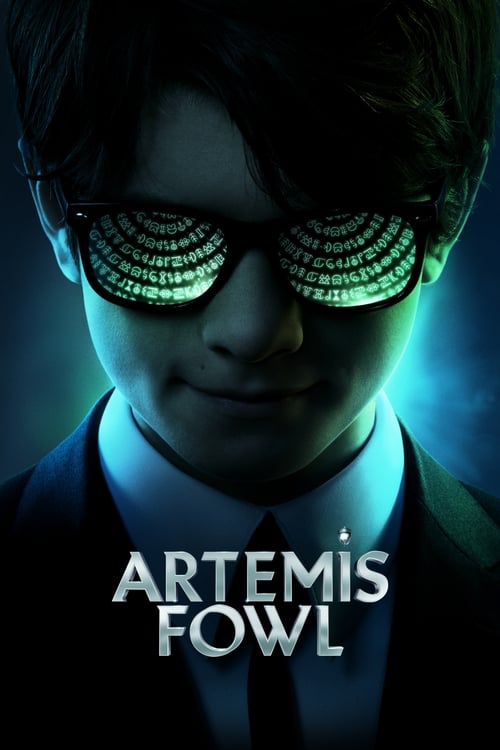
(2020)Artemis Fowl is a fantasy adventure about a brilliant boy drawn into a hidden world of fairies, ancient powers, and family secrets after his father becomes entangled in a dangerous conflict. The story mixes mystery, action, and magical lore with a strong focus on Artemis and his father.
This is a family fantasy with magical worldbuilding, repeated peril, and a story centered on loyalty, legacy, and power. For Christian families, the bigger conversation is less about surface content and more about how the film treats magic, truth, and moral ambiguity.
Use the content rating for what children will see and hear, and the Christian guidance rating for what the story may invite you to discuss.
Content Indicators

Reviewed 18 December 2025
Rachel focuses on animated films, family viewing habits, and helping parents spot worldview themes quickly.
Artemis Fowl Christian Movie Review (2020)
Guidance: Talk Together
This is a family fantasy with magical worldbuilding, repeated peril, and a story centered on loyalty, legacy, and power. For Christian families, the bigger conversation is less about surface content and more about how the film treats magic, truth, and moral ambiguity.
Why This Guidance Level
This lands in the middle range because the surface content is fairly typical for a PG fantasy adventure, but the magical worldview and morally mixed treatment of crime, power, and secrecy give Christian families real material to discuss. The film is not driven by sexual content or harsh language, yet its fantasy spirituality and ethical ambiguity make active parent conversation worthwhile.
Faith & Worldview Perspective
The film presents a hidden magical world filled with fairies, enchanted power, and legendary beings, treating magic as wondrous, useful, and central to the plot. It also explores whether a child must be defined by a parent’s reputation, and it values loyalty, courage, and family devotion. At the same time, the story normalizes supernatural power outside a Christian frame and surrounds its hero with deception, theft, and morally gray choices. Parents may want to discuss how fantasy can be imaginative without becoming a guide for real spiritual belief, and how identity is best grounded in truth and, ultimately, in Jesus Christ rather than family name or unusual ability.
Truths Reflected
- Children should not be reduced to their parents’ sins or reputation.
- Loyalty, courage, and sacrificial love for family are treated as meaningful goods.
Tensions to Discuss
- The film presents magic and supernatural beings as a source of wonder and power outside the lordship of Jesus Christ.
- Crime, deception, and moral ambiguity are woven into the hero’s world in ways that may blur clear moral boundaries.
Content & Discernment Markers
Occult & Spiritual Content
- Magic and fairy lore are central to the story. Characters speak of “the infinite possibilities of magic,” and the film builds its world around fairies, leprechauns, banshees, sprites, goblins, and a mysterious weapon called the Aculos. For Christian families, this matters because supernatural power is treated as fascinating and effective apart from God. Parents may want to discuss the difference between fantasy storytelling and real spiritual truth in Christ.
- Artemis is raised on stories and knowledge about hidden beings and ancient conflict between humans and fairies, including a “peace” made after war with the Tuatha De Danaan. The movie uses mythic spiritual lore as part of its adventure framework rather than as a passing background detail.
Sexuality & Relationships
- Sexual content does not stand out here. Relationships are centered on family bonds, especially Artemis and his father.
Identity Themes
- A repeated question in the film is whether Artemis should be judged by his father’s alleged crimes, as reporters ask, “How does it feel to have a criminal for a father, Artemis?” This can open a good family conversation about inherited reputation versus personal responsibility before God.
- Artemis is portrayed as unusually gifted, proud, and set apart from others, with adults commenting on his intelligence and behavior. Parents may want to discuss humility, identity, and whether brilliance excuses arrogance.
Violence & Intensity
- The story includes kidnapping, threats, interrogation, and imprisonment. One character is told, “Unless you tell us exactly what happened at Fowl Manor, you will be permanently imprisoned,” which gives the film a recurring tone of danger rather than simple comedy.
- Fantasy action and battle material are part of the movie’s adventure setup, including conflict involving fairies, weapons, and a powerful artifact described as “a weapon so powerful and mysterious, it can barely be imagined.” Some younger children may be unsettled by the peril and creature-based action.
Language & Humour
- Language is mild and mostly consists of insults or accusatory labels such as “criminal,” “common thief,” “liar,” “traitor,” and “criminal mastermind.” Parents concerned about disrespectful speech may still want to note the sharp tone.
Other Content Notes
- Crime and theft are woven into the plot from the opening, with news reports about “the most daring thefts of modern times” and stolen relics worth vast sums. The film does not present theft as harmless; it is tied to danger, suspicion, and consequences.
- The father-son relationship carries emotional weight, especially around absence, trust, and legacy. This gives the movie some heartfelt grounding amid the fantasy spectacle.
Notable Moments
- Public shame over family name: Reporters confront Artemis about his father’s alleged crimes, framing the boy through his family’s reputation.
“How does it feel to have a criminal for a father, Artemis?”
- Threat of imprisonment: An interrogation scene raises the stakes with direct threats and pressure.
“Unless you tell us exactly what happened at Fowl Manor, you will be permanently imprisoned.”
- Magic introduced directly: The film openly presents magic as a source of wonder and power, signaling its central worldview element.
“Let me show you the infinite possibilities of magic.”
- Powerful artifact: A mysterious object is described in near-mythic terms, reinforcing the story’s fascination with supernatural power.
“The Aculos. A weapon so powerful and mysterious, it can barely be imagined.”
Discussion Prompts
- Identity and family legacy: Should Artemis be judged by his father’s reputation, or by his own choices? How does God see us?
- Biblical guidance: Scripture teaches personal responsibility before God while also reminding us that our deepest identity is not in family history but in who we are before Him.
- Scripture: Ezekiel 18:20, Galatians 3:26
- Magic and real spiritual truth: What is the difference between fantasy magic in a story and the real spiritual world God tells us about?
- Biblical guidance: The Bible warns against seeking spiritual power apart from God and points us to trust Jesus Christ rather than hidden powers or mystical forces.
- Scripture: Deuteronomy 18:10-12, Colossians 2:8
- Power, truth, and deception: When characters use secrecy, theft, or manipulation for a goal they care about, does that make those actions right?
- Biblical guidance: God cares not only about outcomes but also about truthfulness and integrity in the way we act.
- Scripture: Proverbs 12:22, Romans 12:17
- Fatherhood and trust: What does this story say about fathers, loyalty, and longing for protection? How is God different from flawed human parents?
- Biblical guidance: Earthly parents can fail or be absent, but God is a faithful Father, and Christian hope rests finally in Him.
- Scripture: Psalm 68:5, Matthew 7:11
Common questions about Artemis Fowl
- What age is Artemis Fowl suitable for?
- Artemis Fowl suits children of about 8 and older in most families. That follows its official classification. It is rated PG in Australia, the US, New Zealand and Canada, and 12A in the UK. The story includes kidnapping, threats, interrogation, and imprisonment. Younger viewers may still enjoy it alongside a parent, and it raises worldview questions worth talking through afterwards.
- Is Artemis Fowl okay for a 6-year-old?
- Artemis Fowl is generally better suited to children of about 8 and up, so a 6-year-old may find parts of it a stretch. It is rated PG in Australia, the US, New Zealand and Canada, and 12A in the UK. The story includes kidnapping, threats, interrogation, and imprisonment. Families comfortable watching a little above the classification together may still be fine with it.
Age guidance is derived from this review's content findings and the film's official classifications. It is a starting point for your own judgement, not a rule.
Parent comments
Leave a comment on this review
Share a short note on Artemis Fowl, or help other parents with discernment.
Submit will ask you to sign in first.
Weekend family picks
Get the short family movie list before the weekend
Example newsletter: 3 movies to watch this weekend with your family, plus one question to ask after the credits.
Sample: 3 movies to watch this weekend with your family
One cinema pick, one streaming pick, one conversation-starter pick.
Related Articles
A few bigger-picture reads for parents who want more context than a single review page can hold.

How To Talk With Kids About Magic, Fate, And Spiritual Themes In Movies
Many family movies use magic, destiny, spirits, or cosmic balance to drive the story. This article helps Christian parents respond without overreacting, while still drawing clear lines back to biblical truth.
Read article
How To Talk With Kids About Dragon magic In Family Movies
A parent-friendly guide to discussing dragon magic in family movies through a Christian lens.
Read article
How To Talk With Kids About Mild fantasy peril In Family Movies
A parent-friendly guide to discussing mild fantasy peril in family movies through a Christian lens.
Read articleMore Reviews




Official regional ratings
Local ratings remain available for reference, but LionLens separates those classifications from Christian family discernment.
Review Method
How this review was prepared
LionLens reviews are written with subtitle and dialogue evidence where available, official regional ratings data, source research, and final human editorial review before publication.